Top Landscaping Services in Grafton, OH, 44028 | Compare & Call

DREAMSCAPING
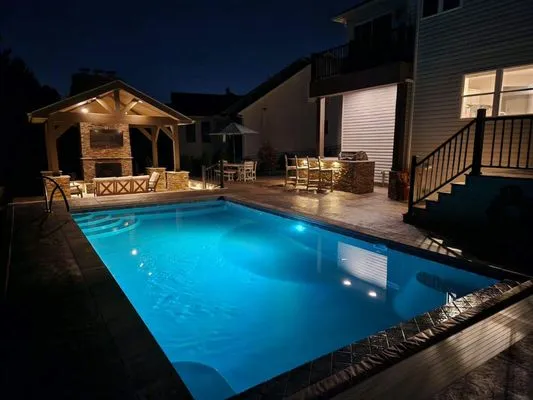
DREAMSCAPING in Grafton, OH is a family-owned landscaping and pool service company that has been serving the community since 1989. Specializing in both residential and commercial projects, we focus on...
Lawns By Lucas
Lawns By Lucas serves Grafton, OH, and surrounding NE Ohio communities with a focus on architectural hardscaping and refined landscape design. We believe your property's exterior deserves the same tho...
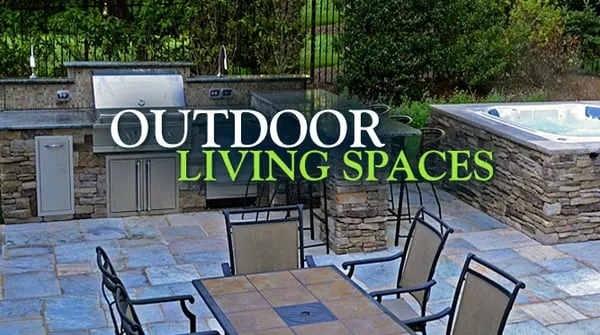
1st Impressions in Grafton, OH, is a landscape construction firm that began as Shuleva Landscaping, a traditional landscape and maintenance company. In 2004, it rebranded to focus on outdoor living sp...

Brown's Design & Landscaping is a Grafton-based company dedicated to transforming local outdoor spaces. We understand the common local challenges of dead lawn patches and compacted soil, which can res...

Bradley Landscaping & Design is a trusted, locally-owned landscaping company serving homeowners in Grafton, Ohio, and the surrounding areas. We understand the common frustrations Grafton residents fac...
Sherman & Sons Lawn Care
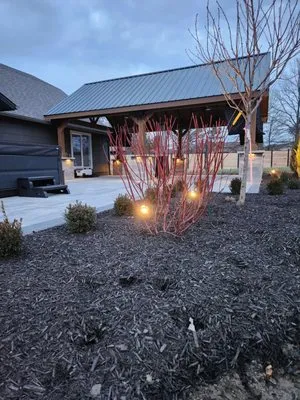
Sherman & Sons Lawn Care has been serving Grafton, OH since 2007, bringing over 50 years of combined horticultural expertise to every project. Our team includes degreed horticulturists who specialize ...
Founded in 1986 and formally incorporated in 1987, Yard Smart, Inc. has been a trusted landscaping partner for residential and commercial clients in the communities west of Cleveland for over three de...
Excel Management
Excel Management is a trusted, family-owned general contractor serving Grafton and Northeast Ohio since 1984. Founded on the principle that quality work and professionalism build lasting customer rela...
YourScape is a family-owned lawn care and snow removal company serving Grafton, OH, since 2011. Founded by local owner-operator Ken, who lives in nearby Eaton Township with his family, the business br...

Williams Landscaping and Pavers
Williams Landscaping and Pavers has been enhancing outdoor spaces in Grafton, OH, since 2000. Owner Brian Williams combines hands-on landscaping experience with visual CAD design training to create pe...
Frequently Asked Questions
My yard holds water for days after a rain. What solutions work with Grafton's Silty Clay Loam soil?
Poor infiltration in Silty Clay Loam requires intercepting and redirecting surface water before it saturates. A tiered approach is most effective: a dry well or infiltration trench filled with clean gravel captures roof runoff, while a French drain lined with non-woven geotextile manages perimeter water. For any new hardscape, specify permeable concrete pavers or an open-graded crushed limestone base to meet the Grafton Village Building Department's stormwater runoff standards by allowing percolation.
If a storm downs a large tree limb, what is your fastest possible response time to my property near Grafton Village Park?
Our peak storm response protocol aims for a 45-60 minute arrival from dispatch. For incidents near Grafton Village Park, our route utilizes OH-57 for the most direct arterial access, bypassing localized street flooding common in spring. We maintain dedicated electric-powered chippers and saws on standby to comply with general noise ordinances during extended cleanup operations. This allows for immediate debris removal to restore access and safety without waiting for traditional fuel-based crew mobilization.
Our soil feels dense and seems to repel water. Is this typical for homes in the Grafton Village Center area?
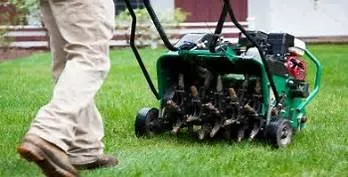
Yes, it is characteristic. Homes built around the 1974 average in Grafton have soils that have matured for over 50 years, compacted by construction and decades of foot traffic. The underlying Silty Clay Loam naturally has poor permeability, which is exacerbated by this long-term compaction. To restore water infiltration and root growth, core aeration combined with top-dressing compost is required, not just surface tilling. This process introduces organic matter to improve soil structure and cation exchange capacity.
What invasive species should I watch for, and how are they treated under Ohio's fertilizer BMPs?
Proactive scouting for invasive species like Japanese Knotweed, Garlic Mustard, and Lesser Celandine is critical. Treatment often involves targeted, non-chemical methods such as manual removal or solarization to align with statewide Best Management Practices that restrict blanket herbicide and fertilizer applications. For persistent perennials, professional-grade, systemic herbicides may be applied by a licensed technician during precise growth windows, strictly outside of any nutrient application blackout dates, to prevent collateral damage to soil microbiology.
Do I need a permit to regrade my yard, and what qualifications should the contractor have?
Yes, significant regrading on a 0.35-acre lot typically requires a permit from the Grafton Village Building Department to ensure proper stormwater management and adherence to lot drainage plans. Beyond licensing, the contractor should carry certifications from the Ohio Landscape Industry Association, which validates training in erosion control and soil science. This is crucial because improper grading on Silty Clay Loam can redirect water onto neighboring properties, creating legal liability and violating county water codes.
I want to reduce mowing and chemical use. What are robust native alternatives for a sunny Grafton yard?
Transitioning to a native plant community is a forward-looking strategy. A matrix of Little Bluestem grass provides structure, interspersed with Purple Coneflower, Wild Bergamot, and New England Aster for seasonal color and pollinator support. Once established, this planting requires no fertilization, minimal watering, and only an annual cut-back, eliminating weekly mowing and gas-blower use. This preemptively addresses evolving noise ordinances and creates a resilient, biodiverse landscape aligned with 2026 ecological standards.
Are concrete pavers a better long-term investment than wood for a patio in Grafton?
For longevity and low maintenance, concrete pavers are superior. They offer a 30+ year service life with minimal upkeep, unlike wood which requires annual sealing and decays within 10-15 years in Ohio's climate. From a Firewise perspective, their non-combustible nature contributes to defensible space in this Low-rated urban interface zone. Properly installed with a permeable base, they also mitigate the poor infiltration of the native soil, addressing a core site challenge while adding permanent value.
With voluntary water conservation in place, how can I keep my Kentucky Bluegrass and Tall Fescue blend healthy?
Effective conservation relies on precision, not restriction. Installing smart Wi-Fi soil moisture sensors allows for ET-based irrigation, applying water only when the root zone deficit reaches a specific threshold. This technology prevents the common overwatering that exacerbates our high seasonal water table. Coupled with a deep-and-infrequent watering schedule, it promotes deeper root systems in your turf blend, increasing drought resilience while staying well within any future municipal water limits.
