Top Landscaping Services in Gnadenhutten, OH, 44629 | Compare & Call
There are 48 landscaping companies server in Gnadenhutten OH
Green Ground is your local, full-service landscaping partner in Parma, OH. We specialize in creating and maintaining beautiful, healthy outdoor spaces. We understand the common local challenges homeow...
Hall of Fame Landscaping is a trusted local provider in Canton, OH, dedicated to solving common homeowner challenges like dying shrubs and patchy lawn grass. By combining expert lawn care services wit...
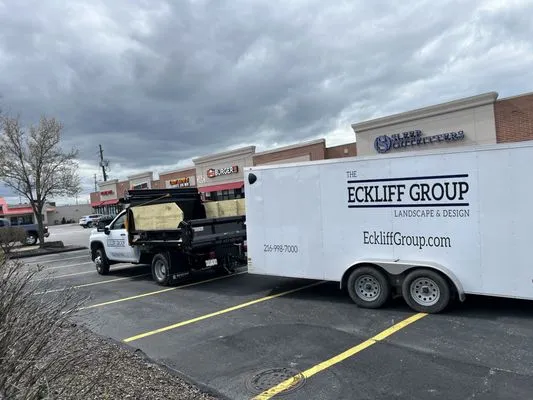
The Eckliff Group is a Mentor-based landscaping company serving Northeast Ohio with comprehensive outdoor solutions. We specialize in landscape design, construction, and maintenance, including earthmo...
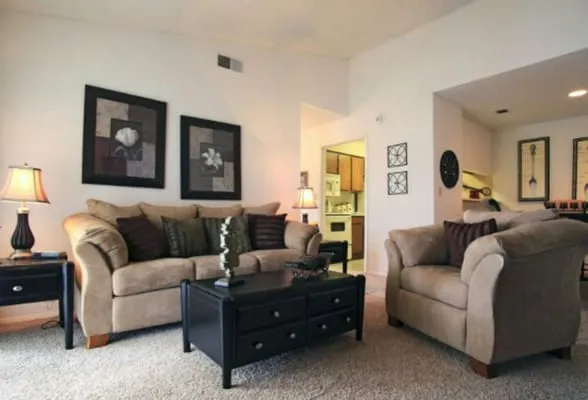
Gambino 440 Builders LLC brings over 16 years of construction experience to Elyria and northeastern Ohio, with roots tracing back to a father-son partnership before officially incorporating in 2014. F...
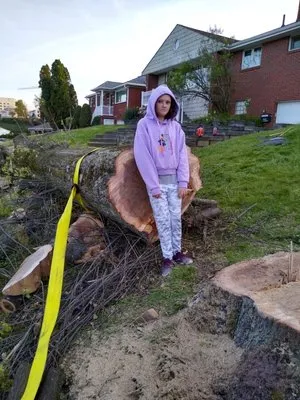
J&R Lawn And Tree Maintenance is a family-run Cadiz landscaping and tree service company owned and operated by local farmers with a lifetime of hands-on experience. We're a small, dedicated team where...

Odd Jobs by Scotty
Odd Jobs by Scotty is a trusted, locally-owned and operated service in Beach City, OH, proudly serving Stark, Wayne, Holmes, and Tuscarawas counties. Founded in 2021 as a division of S.A.D. CO., our t...
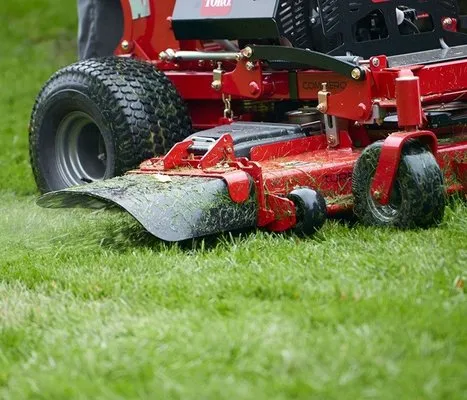
Founded in the spring of 2019, McClintock Lawn and Landscape is a local Dennison company built on a simple promise: to deliver great service. We are dedicated to making your property look its best, wh...
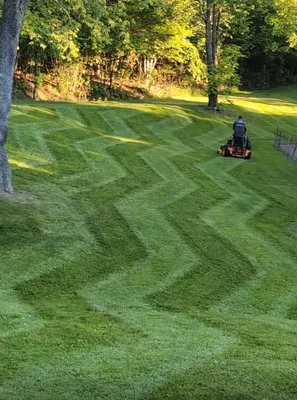
Weaver Property Maintenance is a locally owned and operated business in East Sparta, built on four generations of hard work and entrepreneurial spirit. We bring a deep sense of pride, reliability, and...
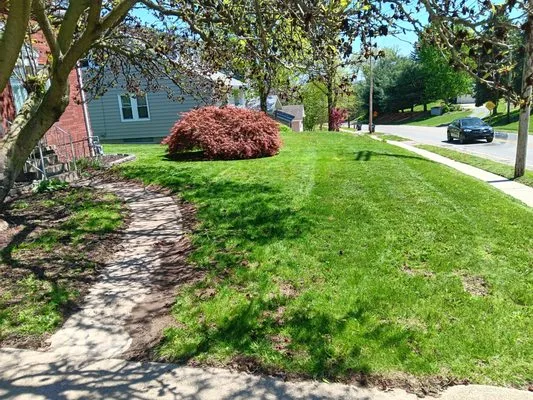
Sinor Family Home Services is your trusted local solution in Dover, OH, for protecting your home from the ground up. We specialize in expert landscaping and waterproofing services designed to tackle t...
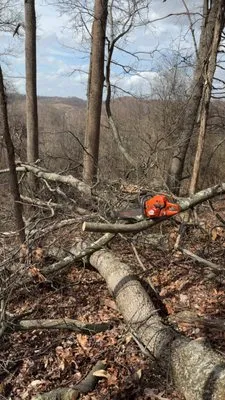
Hagan Tree and Landscaping is your trusted local expert for maintaining Newcomerstown's beautiful outdoor spaces. Serving the community, we specialize in comprehensive tree care and landscape maintena...
Estimated Landscaping Service Costs in Gnadenhutten, OH
Common Questions
Why does my Gnadenhutten Historic District lawn struggle with compaction and poor drainage?
Properties in the Historic District with 1952-era construction have 74-year-old soil profiles. The silt loam (pH 6.2-6.8) common here has developed high clay content in subsoil layers from decades of standard maintenance. This reduces permeability to 0.1-0.3 inches per hour, creating moderate seasonal saturation. Core aeration with 3-4 inch depth and organic amendments like composted leaf mold are necessary to restore soil structure and oxygenate root zones.
Are sandstone pavers better than wood for durability and fire safety in our area?
Sandstone pavers offer superior longevity with 50+ year lifespans versus wood's 15-20 years in Zone 6a freeze-thaw cycles. Their non-combustible nature supports Low Fire Wise ratings by creating defensible space around structures. Properly installed with geotextile underlayment, they resist heaving from clay subsoil expansion. Unlike wood, sandstone requires no chemical treatments that could leach into surrounding soil, maintaining the natural pH balance of Gnadenhutten's silt loam.
What solutions address seasonal ponding in my yard with high clay subsoil?
Moderate seasonal saturation in Gnadenhutten's silt loam soils requires permeability improvements. French drains with clean gravel and perforated pipe redirect subsurface water, while dry creek beds manage surface flow. Sandstone pavers installed with polymeric sand joints create permeable hardscapes that meet Tuscarawas County Building Department runoff standards. These systems work with the soil's natural 6.2-6.8 pH range without requiring chemical amendments.
What are low-maintenance alternatives to traditional turf that reduce noise and fuel use?
Transitioning to native plantings like Purple Coneflower, Wild Bergamot, Butterfly Milkweed, and Little Bluestem reduces mowing frequency from weekly to seasonal. These species thrive in Zone 6a without irrigation once established, cutting water use 70-80%. Electric maintenance equipment meets 2026 noise ordinances while eliminating gas emissions. This approach creates habitat corridors that support local pollinators and requires only annual cutting back instead of weekly fuel consumption.
What permits and licenses are needed for grading and drainage work on my quarter-acre lot?
Grading projects altering more than 100 square feet require Tuscarawas County Building Department permits for erosion control. On 0.25-acre lots, engineered drainage systems must be designed by Ohio Department of Agriculture licensed landscape architects. This ensures compliance with state sedimentation regulations and proper integration with municipal infrastructure. Unlicensed grading can create downstream runoff issues violating county standards, particularly with the area's high clay subsoil conditions.
How quickly can you respond to an emergency tree cleanup after a storm in Gnadenhutten?
Our electric fleet dispatches from Gnadenhutten Historical Park within 20-30 minutes during peak storm response. We route via US-36 to access Historic District properties while complying with 8am-8pm noise ordinances. This timing accommodates HOA compliance deadlines for debris removal. Electric equipment operates below 60 decibels, allowing work within restricted hours without violating local sound regulations.
How do I maintain Kentucky Bluegrass and Tall Fescue during dry periods without violating water restrictions?
Stage 0 water status in Gnadenhutten permits irrigation but encourages conservation. Smart Wi-Fi soil moisture sensors prevent overwatering by measuring actual ET rates rather than using fixed schedules. These controllers adjust runtime based on soil type, reducing water use 30-40% while preserving turf health. Programming deep, infrequent watering at dawn maximizes absorption in silt loam soils and minimizes evaporation loss.
How do I control invasive species like Japanese knotweed without violating fertilizer regulations?
Invasive species management requires timing applications outside Ohio's fertilizer ordinance blackout periods for frozen or saturated ground. Mechanical removal followed by targeted glyphosate applications in early fall prevents regrowth while minimizing runoff risk. Soil testing confirms pH 6.2-6.8 range before adding mycorrhizae inoculants to help natives outcompete invaders. This approach avoids blanket chemical use that could violate state standards for residential properties.
