Top Landscaping Services in Glendale, OH, 45246 | Compare & Call
There are 194 landscaping companies server in Glendale OH

Buck's Stump Grinding has been serving Lebanon, OH, with reliable landscaping solutions for over 20 years. Founded in 1998 by an owner who began his career at Sharon Nursery in 1990, the business grew...
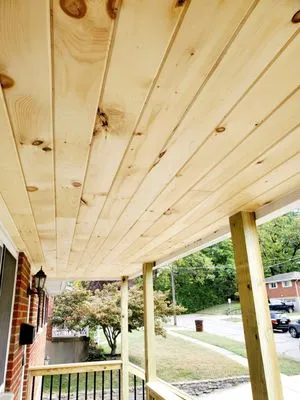
L&K Outdoor Creations is a Carlisle-based contractor dedicated to transforming your outdoor spaces with integrity and craftsmanship. We specialize in building and caring for the structures that define...
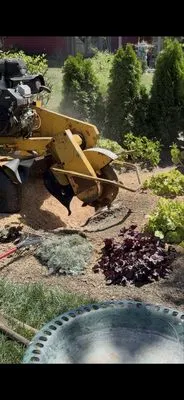
F & S Stump Removal and Landscaping is a veteran-owned and locally operated business serving Springboro, OH, with over 25 years of combined expertise in tree services and landscaping. Licensed and ins...
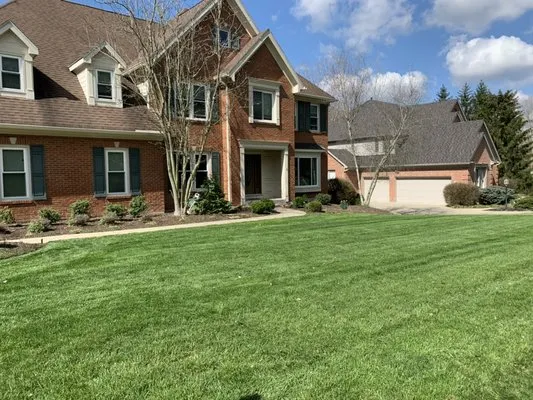
RBP Enterprises is a locally owned and operated lawn care service in Fairfield, OH, built on a foundation of genuine expertise. Founder Robert brings over 14 years of hands-on experience, having grown...
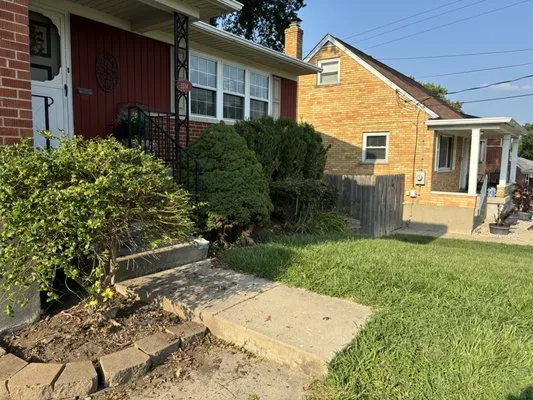
MJ's Service is a locally owned and operated landscaping business in Cheviot, OH, built from the ground up. Founder Maverick started mowing neighbors' lawns at age 12, and that hands-on experience evo...
3 Brothers Hardscape in Springdale, OH, is a family-owned landscaping business specializing in durable, functional hardscape solutions for residential properties. With many Springdale homes facing com...
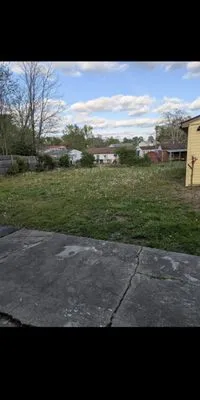
Precision Lawn and Landscape is a trusted Northgate, OH, provider of comprehensive lawn care and pressure washing services. We understand that local homeowners often face frustrating issues like irrig...
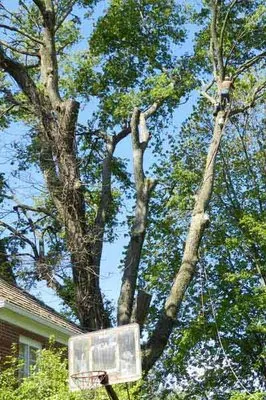
Clean Cut Tree & Landscape
Clean Cut Tree & Landscape is a Cincinnati-based company founded on principles of respect and transparent communication. The owner started the business after experiencing negative interactions with co...
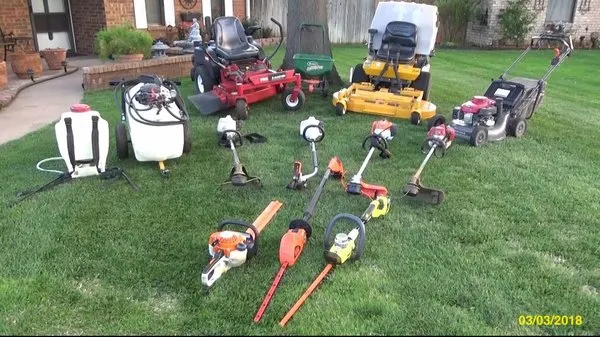
Four Walls Properties, founded in 2016 by owner Tom H., is a Cincinnati-based real estate and property management company serving Wake, Johnston, Nash, and Franklin counties. Born from Tom's desire to...
Springdale Lawn Care is a Cincinnati-based landscaping company dedicated to solving common local yard challenges. We specialize in addressing yard drainage problems and bare lawn patches that many hom...
Estimated Landscaping Service Costs in Glendale, OH
Questions and Answers
How can I reduce maintenance while supporting local ecology in my Glendale landscape?
Replacing high-maintenance turf with native plantings like Eastern Redbud, Purple Coneflower, and Butterfly Milkweed creates self-sustaining ecosystems requiring minimal intervention. These species adapt to USDA Zone 6b conditions without supplemental irrigation once established. Transitioning to electric maintenance equipment anticipates tightening noise ordinance restrictions on gas-powered blowers. Little Bluestem and Wild Bergamot provide year-round habitat value while reducing mowing frequency from weekly to seasonal cutting.
What solutions exist for seasonal ponding in my Glendale yard's low-lying areas?
Slow infiltration rates in silt loam/clay soils create seasonal ponding that requires graded swales directing water toward permeable clay brick paver installations. These pavers achieve 10-15% permeability rates, meeting Village of Glendale Planning & Building Department runoff standards. French drains with clean gravel and geotextile fabric provide subsurface drainage where grading alone proves insufficient. Proper slope calculation ensures water moves away from foundations while supporting established landscape features.
Are permeable clay brick pavers better than wood for Glendale patio installations?
Permeable clay brick pavers offer 40-60 year lifespans versus wood's 10-15 year expectancy in Ohio's freeze-thaw cycles. Their permeability reduces runoff by 25-40% compared to solid surfaces, supporting Glendale's low fire-wise rating requirements for defensible space. Clay's thermal mass moderates surface temperatures better than wood or composite materials. Installation over compacted gravel base with joint sand allows root penetration while maintaining structural integrity through seasonal soil movement.
What invasive species should I watch for in Glendale, and how do I treat them safely?
Japanese knotweed and garlic mustard present significant invasive risks in Glendale's disturbed urban soils, outcompeting native vegetation within two growing seasons. Manual removal before seed set proves most effective, avoiding chemical treatments near waterways where phosphorous-free application guidelines apply. Treatment timing avoids blackout periods when soil temperatures exceed 85°F, reducing herbicide volatility. Regular monitoring identifies new infestations early when control requires minimal intervention.
Can I maintain a healthy lawn in Glendale while following water conservation practices?
Wi-Fi ET-based weather sensing irrigation systems automatically adjust watering schedules using real-time evapotranspiration data from local weather stations. These systems reduce water use by 20-30% compared to traditional timers while preserving Kentucky Bluegrass and Tall Fescue health. Programming follows Glendale's standard conservation practices without formal restrictions, applying 1-1.5 inches weekly during peak growing season. Soil moisture sensors prevent overwatering in silt loam/clay profiles prone to saturation.
How quickly can you respond to an emergency tree cleanup after a storm in Glendale?
Emergency storm response from Glendale Square via I-75 requires 20-30 minutes during peak traffic conditions. Our electric fleet bypasses noise ordinance restrictions on commercial power equipment between 9 PM and 7 AM, allowing extended operational windows. HOA compliance issues receive same-day assessment with documentation provided within 24 hours. Route optimization accounts for Glendale's historic district street patterns and seasonal ponding areas that may affect access.
What permits and licensing are required for grading work on my 0.45-acre Glendale property?
Grading altering more than 500 square feet requires Village of Glendale Planning & Building Department review for erosion control and drainage compliance. Professionals must hold Ohio Landscape Architects Board certification for designs affecting water flow patterns or adding retaining walls over 24 inches. Property size triggers specific engineering calculations for soil displacement on 0.45-acre lots. Contractors need landscaping licenses for work exceeding $5,000 value, with additional permits for tree removal near property lines.
Why does my Glendale Historic District lawn have such poor drainage and compacted soil?
Glendale's 1938 average home age means soil has matured for 88 years without systematic remediation. Historic District lots typically feature silt loam/clay soil with pH 6.5-7.2 that becomes increasingly compacted over decades, reducing permeability to 0.1-0.3 inches per hour. Annual core aeration with 3-4 inch depth penetration and organic amendments like composted leaf mold address this compaction while maintaining soil structure. These practices improve water infiltration and root development for Kentucky Bluegrass and Tall Fescue stands.
