Top Landscaping Services in Georgetown, OH, 45121 | Compare & Call


Brd's Lawncare & Landscaping is rooted in Georgetown. The business began with the owner mowing lawns for family and friends long before getting a driver's license. After spending four years in college...

Land & Tree Tending Company
Land and Tree Tending Company is a dedicated, full-service landscaping and tree care provider for Georgetown, OH, and the surrounding Southern Ohio and Northern Kentucky communities. With certified ar...

Jw Mowing is a Georgetown-based lawn care service dedicated to providing reliable, personalized maintenance for local residents. We focus on building lasting relationships through consistent quality a...
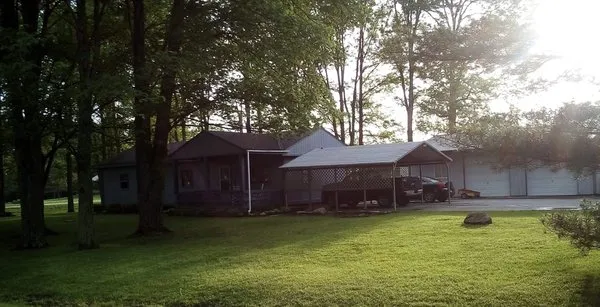
Craig's Yard Care is a Georgetown-based landscaping company dedicated to transforming local outdoor spaces. We specialize in comprehensive solutions, from landscape design and installation to ongoing ...
White Oak Lawn Care is Georgetown's trusted partner for maintaining healthy, beautiful lawns year-round. We specialize in comprehensive lawn care services, from routine mowing and fertilization to sea...
Kanynn River Landscaping serves Georgetown, OH, and the surrounding communities by tackling common local yard challenges. Many area homes face issues with lawn insect damage that can quickly ruin a he...
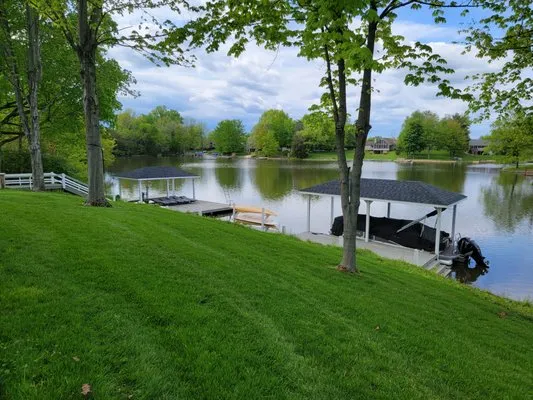
A&S Lawncare and Property Maintenance is a trusted local provider in Georgetown, OH, specializing in comprehensive lawn services to keep your property looking its best. We understand common local chal...
BJS Lawn Care is a trusted local lawn service provider in Georgetown, OH, dedicated to keeping your outdoor spaces healthy and beautiful. We specialize in comprehensive lawn care, including mowing, fe...
T&D Landscaping & More is a Georgetown-based landscaping company dedicated to solving the common yard problems faced by local homeowners. Many properties in the area struggle with soil compaction and ...

Bzak Landscaping is a Georgetown-based, full-service company founded in 1980 by Michael Bieszczak. What began as a small operation offering basic grounds maintenance has grown into a comprehensive res...
Questions and Answers
What solutions address the persistent wet spots in my Georgetown yard during spring rains?
Seasonal saturation in Georgetown's acidic silt loam with high clay content requires improved permeability through strategic interventions. Installing French drains with proper slope directs water away from foundation areas while permeable clay pavers allow infiltration where hardscape is necessary. These approaches meet Georgetown Village Planning & Zoning Department runoff standards by reducing impervious surfaces. Combining drainage solutions with soil amendments like expanded shale creates lasting permeability improvements for the entire 0.25-acre property.
How should I manage invasive species in my Georgetown yard while following local regulations?
Targeted removal of invasive species like Japanese knotweed or garlic mustard requires timing applications outside Ohio's phosphorus application restriction periods near waterways. Mechanical removal followed by native plant establishment creates competitive environments that resist reinvasion. Soil testing ensures any necessary amendments don't violate fertilizer ordinance parameters while addressing specific nutrient deficiencies. Proper disposal prevents spread to neighboring properties in the Georgetown Historic District's close-quarter lots.
Why choose permeable clay pavers over wood for Georgetown patio installations?
Permeable clay pavers offer 50+ year durability compared to wood's 10-15 year lifespan in Georgetown's freeze-thaw cycles, with minimal maintenance requirements. Their natural permeability manages runoff from the 0.25-acre lot while complementing the area's Low Fire Wise rating through non-combustible materials. Clay pavers maintain structural integrity despite the region's seasonal saturation and acidic soil conditions. This material choice creates defensible space without contributing to urban heat island effects common in paved areas.
What permits and licenses are required for regrading my Georgetown property?
Grading work on Georgetown's 0.25-acre lots requires Georgetown Village Planning & Zoning Department permits for any elevation changes exceeding six inches or affecting drainage patterns. Contractors must hold Ohio Department of Agriculture licensing for landscape architecture or construction when modifying more than 500 square feet. These regulations ensure proper water management in neighborhoods with seasonal saturation issues while protecting adjacent properties. Professional licensing verifies competency in soil mechanics and local ordinance compliance for projects impacting the area's delicate clay-silt balance.
Why does my Georgetown Historic District yard have such compacted soil that needs annual aeration?
Georgetown's 1965 average home construction means soil has matured for 61 years, developing dense layers from decades of foot traffic and equipment compaction. The acidic silt loam common in this neighborhood naturally compacts over time, reducing pore space for root growth and water infiltration. Core aeration every 1-2 years creates channels for oxygen, water, and organic amendments to reach deeper soil horizons. Adding compost or aged manure after aeration improves soil structure while maintaining the optimal pH 6.2-6.8 range for most landscape plants.
How quickly can you respond to an emergency tree cleanup after a storm in Georgetown?
Our emergency dispatch coordinates from the Brown County Courthouse area, taking US Route 68 to reach most Georgetown Historic District properties within 20-30 minutes. We maintain electric-powered equipment that operates within daytime noise ordinance limits (7:00 AM - 9:00 PM) for immediate response. This rapid deployment addresses safety hazards while meeting HOA compliance requirements for debris removal. Our crews document conditions for insurance claims while securing the property perimeter.
What low-maintenance alternatives exist for reducing lawn care in Georgetown's Historic District?
Transitioning high-maintenance turf to native plantings like Eastern Redbud, Purple Coneflower, Swamp Milkweed, and Little Bluestem creates resilient landscapes requiring minimal intervention. These species thrive in Georgetown's acidic silt loam without supplemental irrigation once established, supporting local pollinators and biodiversity. Electric maintenance equipment operates quietly within noise ordinance parameters while eliminating gas emissions. This approach future-proofs properties against potential gas-blower restrictions and reduces weekly mowing commitments from April through October.
How do smart irrigation systems work with Georgetown's voluntary water conservation guidelines?
Wi-Fi ET-based weather sensing irrigation calculates evapotranspiration rates specific to Georgetown's USDA Zone 6b conditions, applying only the water Kentucky Bluegrass/Tall Fescue blends actually need. These systems automatically adjust for rainfall, humidity, and temperature fluctuations, typically reducing water use by 20-40% compared to traditional timers. Programming follows municipal water limits while maintaining turf health through precise moisture management. The technology prevents overwatering that exacerbates the area's seasonal saturation issues in clay-heavy soils.
