Top Landscaping Services in Fulton, OH, 43515 | Compare & Call
There are 194 landscaping companies server in Fulton OH
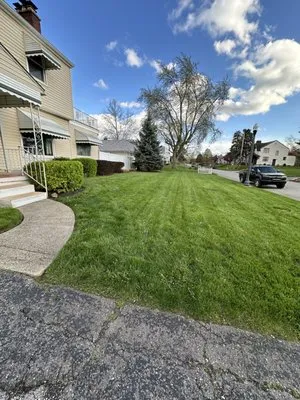
Cleen Green Cuts began with a simple commitment to just three Grove City lawns every week. In 2024, we realized our passion for meticulous lawn care could serve more of our neighbors. We specialize in...
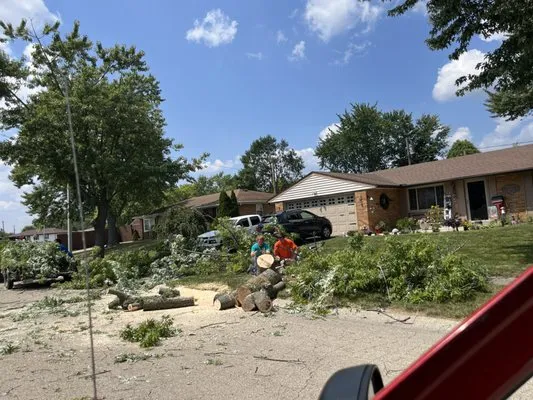
Natures Neighbors Property Maintenance is a family-oriented landscaping and tree service company serving Springfield, OH. We believe in treating every customer like family and caring for your property...
Stephens Lawn Care is a trusted, locally-owned lawn and tree service provider serving homeowners in Grove City, OH. We specialize in comprehensive lawn care, tree care services, and tree planting, hel...
Custom Turf is a Grove City-based lawn service, irrigation, and pest control provider dedicated to solving common local landscaping challenges. We understand that many area homes struggle with issues ...
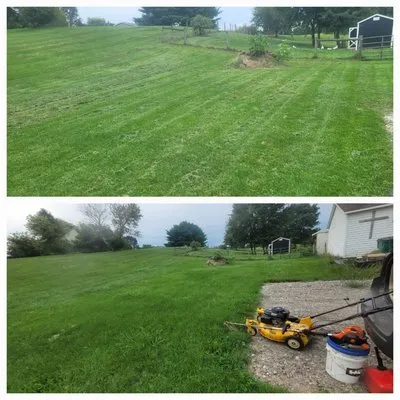
I'm Marie, the owner and operator of Yard Dawgs Direct in Pleasantville, OH. After several years in the lawn care industry, I decided to branch out and start my own business in March of this year. At ...

Elliott Lawn Care & More is your Columbus, OH neighbor for comprehensive property maintenance. Founded by Tim, this local business operates on a simple principle: one call handles it all. Whether it's...
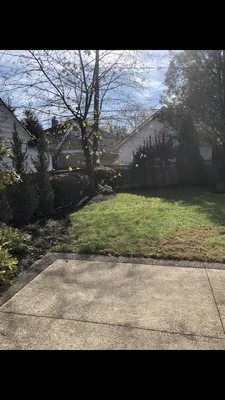
Vanguard Landscaping is a Columbus-based landscaping company serving homeowners throughout Central Ohio. We specialize in comprehensive landscape solutions, from initial design to ongoing maintenance,...
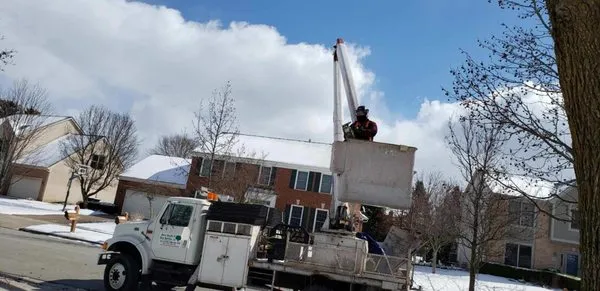
Pros Mulch & Tree Service
Pros Mulch & Tree Service has been a trusted provider of tree care and landscaping solutions in New Albany, Ohio, for over 17 years. We specialize in comprehensive tree services, including tree trimmi...
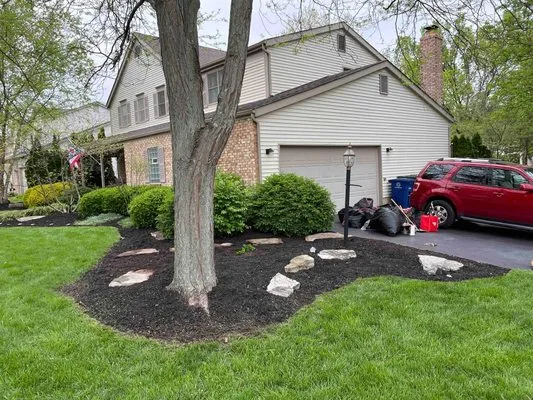
Shabana Landscaping is a Westerville-based full-service landscaping company founded in 2019 by owner Huzayfah (Zay), who brings years of hands-on experience and a personal commitment to quality. Speci...

D B T B Lawn Care is a trusted lawn service provider based in Obetz, OH, dedicated to keeping local lawns healthy and vibrant. We specialize in comprehensive lawn care solutions, including mowing, fer...
Estimated Landscaping Service Costs in Fulton, OH
Frequently Asked Questions
What solutions exist for yards with standing water after heavy rains?
Miamian Silt Loam's poor infiltration (0.1-0.3 inches/hour when compacted) requires engineered drainage. We install French drains with clean gravel and geotextile fabric, directing water away from foundations. Permeable concrete pavers achieve 5-10 inches/hour infiltration rates, meeting Morrow County Planning & Zoning Department runoff standards. These systems work with the seasonal high water table rather than against it.
Why does my Central Fulton lawn struggle with compaction and poor drainage despite regular care?
Fulton properties built around 1983 have soil that has matured for approximately 43 years. Miamian Silt Loam naturally develops dense layers over decades, reducing permeability to 0.6-2.0 inches per hour. Core aeration every 1-2 years introduces oxygen channels while incorporating 0.25 inches of composted organic matter annually rebuilds soil structure. This addresses the seasonal high water table common in Central Fulton's topography.
What permits and licenses are required for major landscaping projects?
Grading or earthmoving on 0.35-acre lots requires Morrow County Planning & Zoning Department approval for drainage plans. Contractors must hold Ohio Department of Agriculture Nursery Stock Dealer licenses for plant installations. These regulations ensure proper water management and prevent invasive species introduction, with violations carrying significant fines for non-compliance with state Water Quality Act provisions.
Should I worry about water restrictions affecting my Kentucky Bluegrass lawn in Fulton?
Fulton's Stage 0 status currently permits irrigation, but ET-based weather sensing systems provide proactive conservation. These controllers adjust schedules using real-time evapotranspiration data, reducing water use 20-30% while maintaining turf health. For your 0.35-acre property, this technology delivers 0.75-1.0 inches weekly through matched precipitation rates, staying well within municipal guidelines.
How quickly can you respond to an emergency tree cleanup after a storm in Fulton?
Our electric fleet departs from Mount Gilead State Park via I-71, reaching Central Fulton within 20-30 minutes during peak conditions. We prioritize safety assessments first, then deploy battery-powered chippers and sweepers that operate within standard decibel limits. This rapid response meets most HOA compliance windows while avoiding 8 PM to 7 AM noise ordinance restrictions.
How should I handle invasive species without harming my soil?
Japanese knotweed and garlic mustard pose significant threats in Fulton's USDA Zone 6a. Manual removal during dry periods prevents seed spread, while targeted glyphosate applications follow Ohio's Phosphorus Application Restrictions. We schedule treatments outside spring blackout dates to protect water quality, then reseed with Ohio Goldenrod to restore ecological balance without violating fertilizer ordinances.
What are the long-term benefits of permeable pavers versus wood decking?
Permeable concrete pavers maintain structural integrity for 25+ years with minimal maintenance, unlike wood's 10-15 year lifespan requiring chemical treatments. Their 95% permeability rate manages stormwater while creating defensible space appropriate for Fulton's low Fire Wise rating. This material choice avoids future replacement costs and complies with evolving building codes regarding impervious surface limits.
Are there lower-maintenance alternatives to traditional turf grass?
Transitioning 30-50% of lawn to native plantings like Purple Coneflower and Little Bluestem reduces mowing frequency and eliminates gas-powered equipment. These deep-rooted species access subsoil moisture, requiring minimal irrigation once established. This approach aligns with evolving noise ordinances restricting gas blowers while supporting 2026 biodiversity standards through pollinator habitats.
