Top Landscaping Services in Franklin, OH, 45005 | Compare & Call
There are 204 landscaping companies server in Franklin OH

Eden Landscaping Plus is your trusted, full-service outdoor partner in Trenton, OH, dedicated to transforming and maintaining properties throughout Butler County. We understand the common local challe...
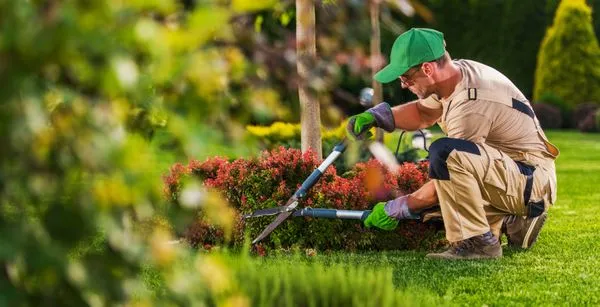
Torres Lawn & Landscape LLC is a trusted, locally-owned landscaping company serving Middletown and the surrounding Ohio communities. We provide comprehensive outdoor solutions, from detailed landscape...
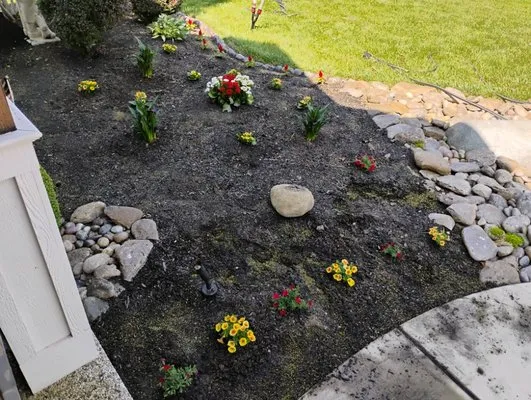
M&M Mini Motors is a Springfield, OH-based landscaping company owned and operated by Naivon Parsley and his father. This father-son team brings decades of combined hands-on experience to every project...
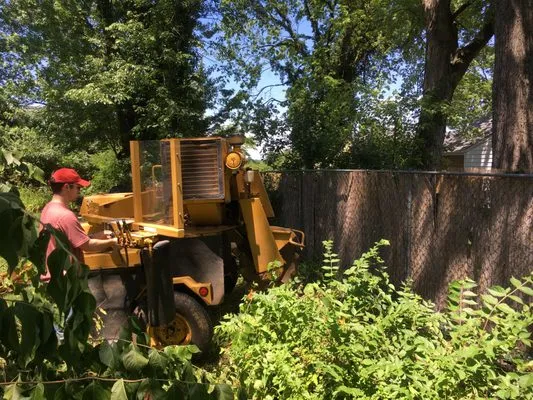
Miami Valley Tree Farm
Miami Valley Tree Farm is a Cedarville-based landscaping and tree service provider specializing in comprehensive outdoor solutions for residential and commercial properties. Serving the local communit...
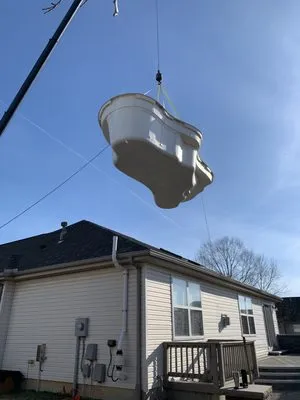
Whispering Creek Pools and Patios is a New Carlisle-based landscaping company founded in 2003 by David Baumgardner, a Ball State University graduate with a Bachelor's in Landscape Architecture. David'...
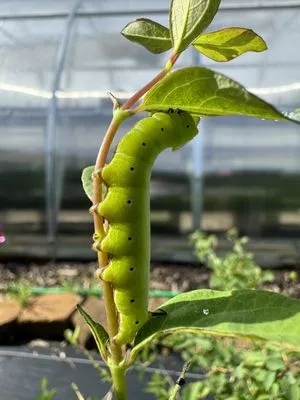
Deeply Rooted Landscapes
Deeply Rooted Landscapes is a Tipp City-based landscaping company specializing in native plants and ecological habitat creation. We serve the Dayton area with a focus on sustainable practices that ben...
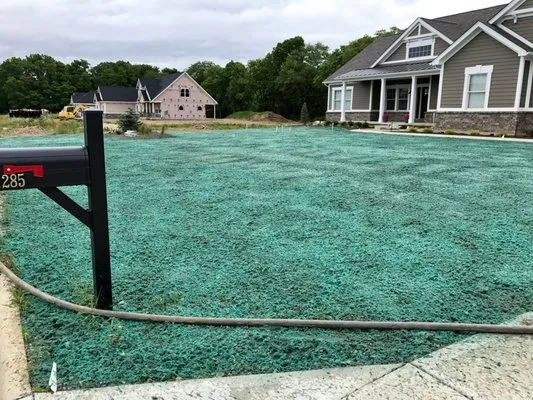
Greentech Lawn and Irrigation is a family-owned and operated business serving residential and commercial properties in the Dayton, Ohio area since 1982. With over 35 years of experience, we specialize...
I'm the owner of Purelawn Organic Lawncare, a Dayton-based lawn care expert with deep roots in the community. After graduating from the University of Dayton in 2004 and working in the industry since m...
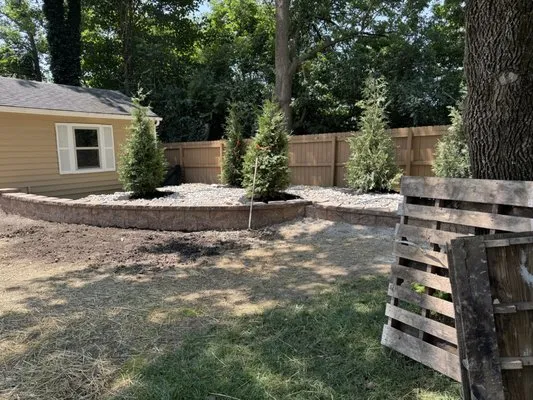
AAA Precision Landscaping
AAA Precision Landscaping is your dedicated, full-service partner for enhancing your Bellbrook property. We provide comprehensive landscape design and installation, creating beautiful and functional o...
Ravenshorn Landworks is a Xenia-based excavation and landscaping contractor dedicated to solving common local property challenges. Many homeowners in the area struggle with lawn insect damage and pers...
Estimated Landscaping Service Costs in Franklin, OH
Frequently Asked Questions
Why do some landscaping projects require a permit or specific contractor license?
Significant grading, drainage work, or retaining walls over a certain height on your 0.22-acre lot require a permit from the Franklin City Planning & Zoning Department to ensure code compliance and protect watersheds. Furthermore, design work must be performed or supervised by a professional licensed by the Ohio Department of Agriculture Landscape Architect Board. This ensures the plans meet structural, environmental, and professional liability standards.
My yard gets soggy each spring. What's a lasting solution that also looks good?
Seasonal saturation in low areas is typical for our silt loam soils. A graded French drain system can intercept and redirect this water. For new hardscapes, specify permeable concrete pavers or open-joint natural limestone. These materials meet Franklin City Planning & Zoning Department standards for stormwater management by allowing infiltration, reducing runoff, and mitigating the periodic pooling you're experiencing.
How quickly can you respond for an emergency tree limb cleanup to meet HOA deadlines?
For urgent storm response in Downtown Franklin, our electric fleet can dispatch from Franklin Community Park, accessing I-75 for efficient routing. We maintain a peak response window of 20-30 minutes for such emergencies. This allows for rapid debris removal and site stabilization while adhering to the local noise ordinance hours of 7:00 AM to 9:00 PM for compliant operation.
Are concrete pavers or natural limestone better than wood for a long-lasting patio?
For durability and low maintenance in Zone 6b, inorganic materials are superior. Concrete pavers and natural limestone offer decades of service with minimal upkeep, unlike wood which decays and requires staining. Both materials also support the community's low Fire Wise rating by creating non-combustible defensible space, an increasingly considered factor in landscape design for urban-suburban resilience.
What invasive species should I watch for, and how do I handle them safely?
Be vigilant for Japanese Knotweed and Callery Pear, which threaten local biodiversity. Treatment involves targeted cut-stump applications of appropriate herbicide by a licensed professional, strictly following Ohio's BMPs for fertilizer and pesticide application—never on frozen ground. For organic suppression, persistent digging and smothering with heavy mulch can be effective for smaller infestations, though they require more time.
I want to reduce mowing and gas equipment noise. What are my options?
Transitioning high-maintenance turf areas to a planting of Ohio natives like Purple Coneflower, Butterfly Milkweed, and Little Bluestem is a strategic solution. This xeriscape approach eliminates weekly mowing, aligns with evolving noise ordinances restricting gas blowers, and provides superior habitat. Once established, these deep-rooted plants require minimal irrigation and no chemical inputs, fostering a resilient landscape.
Why does my lawn struggle despite fertilizing, and what's unique about soil in Downtown Franklin?
Your Franklin property's soil has been developing for nearly 60 years since the neighborhood's typical 1967 construction. Miamian-Celina Silt Loam, common here, becomes compacted over decades, restricting root growth and water percolation. This compaction, not nutrient deficiency, is the primary constraint. Annual core aeration and amendments like composted leaf mold are essential to rebuild soil structure and support healthy turf or native plantings.
Is a smart sprinkler system worth it here with no mandatory water restrictions?
Absolutely. Voluntary conservation is prudent, and ET-based smart controllers are the standard for efficiency. They adjust watering schedules in real-time based on local weather data, applying precisely what your Kentucky Bluegrass or Tall Fescue needs. This technology prevents overwatering, reduces runoff into local riparian zones, and can lower municipal water use by 20-30% while maintaining turf health.
