Top Landscaping Services in Fort Loramie, OH, 45845 | Compare & Call
There are 20 landscaping companies server in Fort Loramie OH
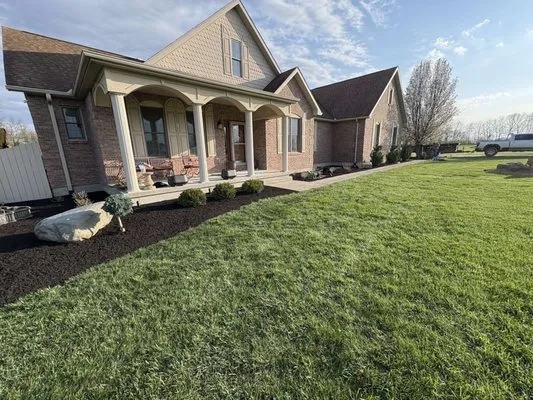
J&J Landscaping is a trusted, locally-owned lawn care provider serving Jackson Center, Ohio. We understand the common challenges homeowners face in our area, such as stubborn lawn fungus and overgrown...
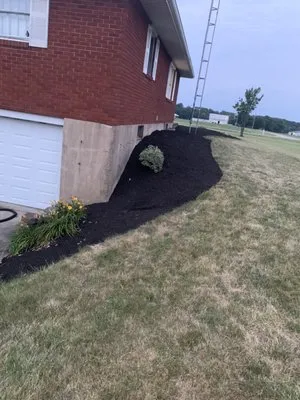
BG Services is your trusted local lawn and tree care expert in Wapakoneta, OH. We specialize in comprehensive lawn care, tree planting, pruning, removal, stump grinding, and transplanting services to ...

CS Services is your trusted, family-owned local partner in Anna, OH. We understand the unique challenges homeowners and businesses face in our area, from landscaping drainage issues to keeping vehicle...

Miami Valley Skilled Solutions is your trusted, multi-skilled partner for home and lawn care in Piqua, OH. We understand that local homeowners often face specific challenges like soil compaction from ...
Grinstead Lawn & Maintenance is a woman-owned, family-operated business serving Sidney, Ohio and Shelby County with reliable lawn care, snow removal, and property maintenance. We focus on consistency,...
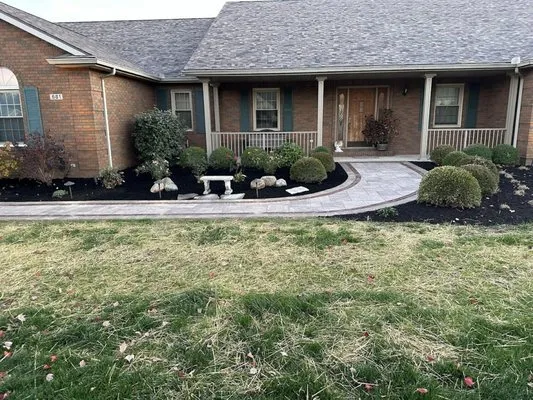
Nature Customscapes is a Sidney-based landscaping company dedicated to enhancing outdoor spaces with thoughtful design and reliable maintenance. We blend creative landscape architecture with practical...
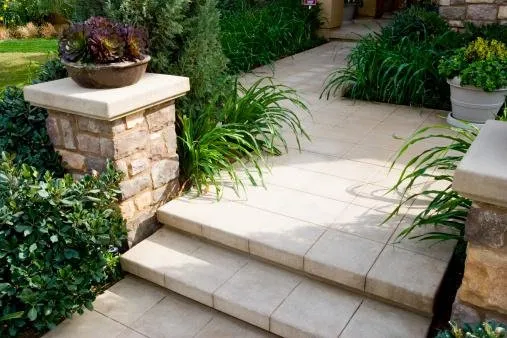
For over 30 years, Tom's Lawn & Landscape & Sidney Tree Care has been the trusted, locally-owned choice for property care in Sidney, Ohio. We provide a comprehensive range of services, from meticulous...

LJD Lawn Service & Power Washing
LJD Lawn Service & Power Washing is a locally owned property maintenance company in Anna, OH, dedicated to enhancing the curb appeal and enjoyment of your outdoor space. Founded by Luke Regula, a coll...
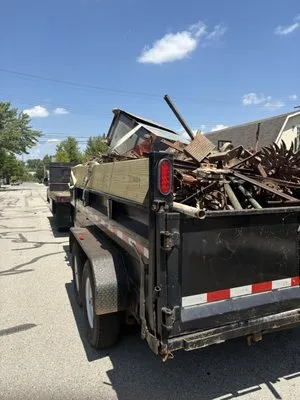
C&C Lawn Care is a trusted, full-service provider in Versailles, OH, dedicated to keeping properties beautiful and clutter-free. We specialize in comprehensive lawn care and efficient junk removal, of...
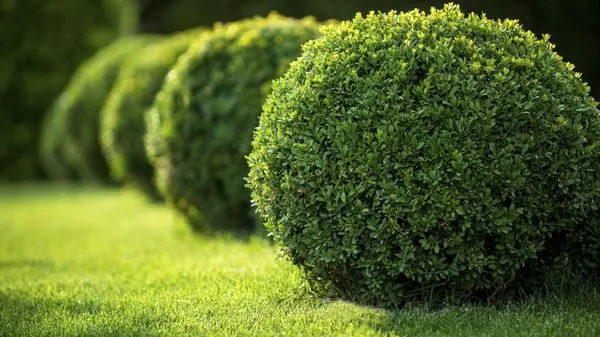
Gehret Nursery Inc. creates beautiful and functional landscapes for homeowners and businesses in Minster, Versailles, New Bremen, and across Shelby and Darke Counties. With years of dedicated experien...
Estimated Landscaping Service Costs in Fort Loramie, OH
Questions and Answers
We get a soggy patch in the same spot every spring. What's a long-term fix?
Seasonal ponding indicates a high water table interacting with the slow-draining Blount-Pewamo soil. Installing a French drain or dry creek bed with clean, crushed limestone aggregate can intercept and redirect subsurface water. For new hardscapes, specifying permeable concrete pavers increases surface infiltration, which may be required by the Shelby County Regional Planning Commission for runoff management on projects exceeding a certain square footage.
A storm knocked down a large limb. How quickly can a crew get here for an emergency cleanup?
For an emergency storm response, dispatch from the Loramie Lake State Park area allows for efficient routing. A crew would take OH-66 directly into Downtown Fort Loramie, with an arrival window of 20 to 30 minutes during peak hours. This timeframe covers immediate hazard removal to secure the property and meet basic HOA compliance standards for debris.
We're adding a patio. Are concrete pavers a better long-term choice than wood?
Concrete pavers offer superior longevity and lower lifetime maintenance than wood decking, which requires regular sealing and replacement. In Fort Loramie's Zone 6a climate, pavers resist freeze-thaw cycles with proper base installation. For properties near woodland edges, their non-combustible nature also contributes to creating defensible space as recommended by Firewise principles, though the local rating is currently low.
We want to regrade a soggy corner of our 0.35-acre lot. Do we need a permit or special contractor?
Regrading that alters water flow patterns typically requires a permit from the Shelby County Regional Planning Commission. Furthermore, any significant earthmoving or installation of drainage structures must be performed by a contractor licensed by the Ohio Department of Agriculture for landscape work. This ensures compliance with state erosion control standards and protects you from liability for downstream water issues.
Our yard has always been a struggle. What's the main soil issue in a neighborhood like Downtown Fort Loramie?
Homes here, averaging nearly 40 years of age, sit on Blount-Pewamo Silt Loam. This soil type becomes heavily compacted over decades, reducing its permeability and leading to poor root development and seasonal ponding. Core aeration is essential to break up compaction, followed by incorporating compost to increase organic matter above 3%. This improves soil structure and water infiltration, addressing the primary legacy issue of mature neighborhood lots.
An ugly vine is taking over a fence line. How do we deal with invasive plants safely?
First, identify the species; common threats here include wintercreeper and Japanese honeysuckle. Manual removal is most effective for small infestations. For chemical control, a targeted, systemic herbicide applied in late summer or fall is safest, but strict adherence to Ohio BMPs is required. This means avoiding application on frozen or saturated ground to prevent phosphorus runoff into the watershed, protecting Loramie Lake's water quality.
How can we keep our Kentucky Bluegrass healthy without wasting water under voluntary conservation?
An ET-based smart irrigation system is the solution. It uses local weather data to replace only the water lost to evapotranspiration, preventing overwatering common with timer-based systems. This technology maintains turf health while reducing municipal water use by 20-30%, aligning with conservation goals. Programming deep, infrequent watering cycles encourages deeper root growth, further enhancing drought tolerance.
We're tired of weekly mowing. What's a lower-maintenance, eco-friendly alternative?
Converting high-input turf areas to a native plant community using species like Purple Coneflower, Little Bluestem, and Butterfly Milkweed dramatically reduces mowing, fertilization, and watering needs. These deep-rooted natives build soil health and support local pollinators. This transition also future-proofs your property against potential tightening of noise ordinances targeting gas-powered equipment, as electric tools are sufficient for native bed maintenance.
