Top Landscaping Services in Five Points, OH, 45066 | Compare & Call
There are 206 landscaping companies server in Five Points OH
KW Landscaping is a family-owned and -operated business serving Franklin, OH, with a focus on creating durable and personalized outdoor environments. Specializing in landscape design and hardscaping, ...
H & H Lawn Care is a trusted lawn service provider in Franklin, OH, dedicated to creating and maintaining healthy, vibrant lawns for local homeowners. We understand the common local challenges of moss...

Clip Yer Tips Lawncare is your locally owned and operated Miamisburg lawn care partner, proudly serving our community. We are fully licensed and insured, and we back our commitment to quality with num...
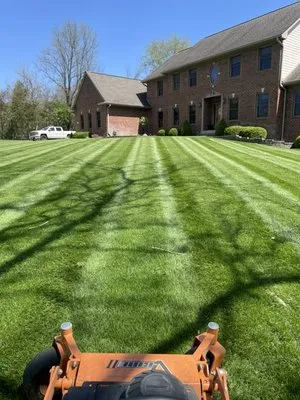
Youker Lawn & Landscape
Youker Lawn & Landscape is a trusted Centerville, OH, provider specializing in lawn services, landscape design, and fencing solutions. We help local homeowners tackle common landscaping challenges lik...
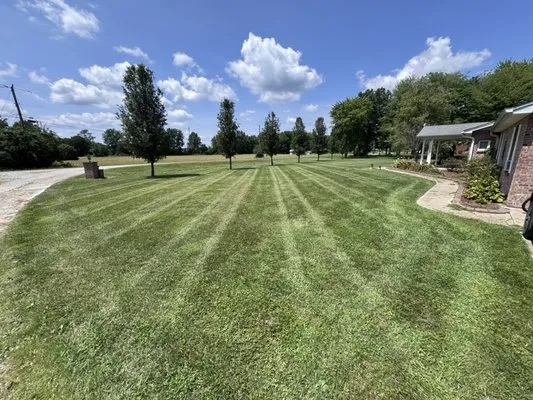
Red Line Mowing is your trusted local lawn care expert in Owensville, OH. We understand the unique challenges homeowners face, from the sudden mess of storm debris cluttering your yard to the frustrat...

R&B's Clean-Up & Hauling
R&B's Clean-Up & Hauling is a family-owned Wilmington business providing reliable junk removal, hauling, lawn care, and pressure washing services. We understand that maintaining a home takes consisten...
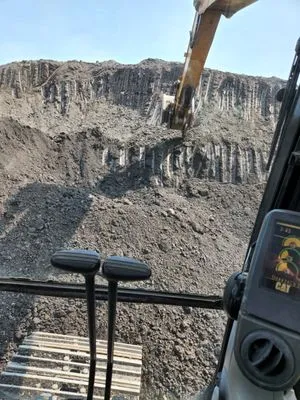
Five Seasons in West Carrollton, OH, is a full-service demolition and landscaping company dedicated to transforming local properties. We specialize in both demolition services, including asbestos abat...
Nature's Keeper is a trusted Miamisburg lawn care service dedicated to keeping local yards healthy and beautiful. We understand the common challenges homeowners face in our area, like damage to landsc...
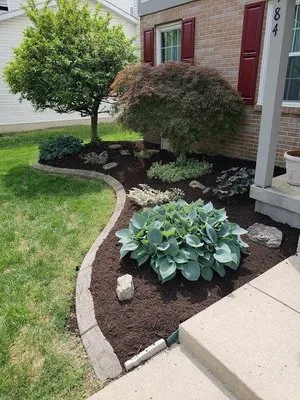
A Lewis Mulch is a trusted landscaping company serving Farmersville, OH, and the surrounding areas. Specializing in landscape construction, maintenance, lawn care, and tree services, we help local hom...
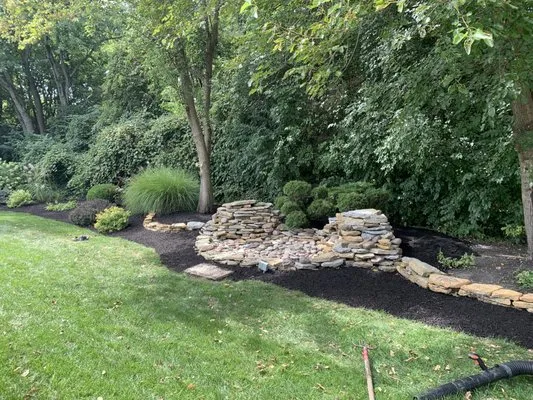
At Precision Lawn & Landscape in Franklin, OH, our work is driven by a genuine passion for lawn care and landscaping. I founded this business because transforming outdoor spaces brings me real satisfa...
Estimated Landscaping Service Costs in Five Points, OH
FAQs
What invasive species should I watch for, and how are they treated?
Proactive scouting for invaders like Japanese knotweed or lesser celandine is essential. Manual removal or targeted, systemic herbicide applications during specific growth stages are most effective. All treatments are planned to avoid the prohibited use of phosphorus fertilizers, except for legitimate new turf establishment. A healthy, dense lawn and robust native plantings are the best defense against invasive colonization.
How can I keep my Kentucky Bluegrass healthy during voluntary water conservation?
Stage 1 voluntary conservation in Five Points is managed effectively with Wi-Fi ET-based weather-sensing irrigation. This technology schedules watering based on real-time evapotranspiration data, applying water only when the turfgrass blend truly needs it. Programming deep, infrequent cycles during early morning hours encourages deeper root growth, which makes the lawn more drought-resilient and keeps usage well within municipal guidelines.
Why is proper licensing so important for grading and drainage work?
Significant grading on a 0.35-acre lot alters water flow and can impact neighboring properties, making it regulated work. The Ohio Department of Commerce Division of Industrial Compliance may require permits for such projects. Hiring a professional licensed by the Ohio Landscape Industry Association ensures adherence to state codes, proper engineering for soil retention, and protection against liability from runoff damage or structural failure.
If a storm downs a tree, how quickly can a crew get here for an emergency cleanup?
For urgent HOA compliance or safety issues, our dispatch from the Five Points Intersection uses US-224 for primary access. Accounting for peak traffic and debris, a dedicated storm response team can typically be on-site within the 25-35 minute window. We coordinate directly with municipal services to clear right-of-ways and prioritize electric equipment to comply with local noise ordinances during restricted hours.
I want a lower-maintenance, quieter yard. Where should I start?
Transitioning perimeter zones to a planting of native species like Purple Coneflower, Little Bluestem, and Butterfly Milkweed is a forward-looking strategy. These plants require no fertilization, minimal water once established, and provide superior habitat. This reduces the need for frequent mowing and gas-powered blowers, aligning with evolving noise ordinances and creating a resilient, biodiverse landscape that thrives in Zone 6a.
My yard stays soggy for days after rain. What's the solution?
Seasonal saturation is a known issue in our silt loam soils due to poor infiltration. Beyond regrading, the strategic installation of permeable concrete pavers for patios and walkways creates critical infiltration points. This approach manages runoff at the source and can help a property meet the Ohio Department of Commerce's runoff standards. For severe cases, a French drain system tied to a dry well may be necessary.
Are permeable pavers a better long-term choice than wood decks?
For longevity and minimal maintenance in our climate, permeable concrete pavers significantly outperform wood. They do not rot, warp, or require sealing, and their inherent stability prevents frost heave issues. While this area has a low Fire Wise rating, pavers also provide a non-combustible defensible space. Their permeability directly addresses local drainage concerns, adding functional utility that wood cannot match.
My lawn seems to compact easily and struggles with water. Is this common for Five Points?
Properties built around 1996, like many in the Five Points Historic District, have soils approximately 30 years old. This slightly acidic silt loam has likely been compacted by decades of traffic and standard maintenance, reducing its percolation rate. Core aeration in early fall and top-dressing with composted organic matter are critical to rebuild soil structure and correct the natural pH of 6.4 for optimal nutrient availability.
