Top Landscaping Services in Fairview Park, OH, 44116 | Compare & Call

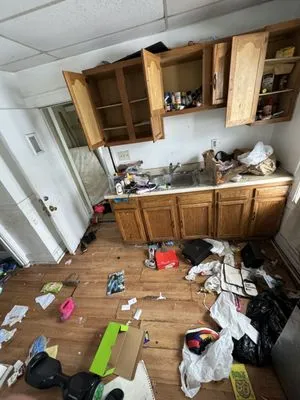
Cleveland Premier Liquidators
Cleveland Premier Liquidators is a Fairview Park-based company offering comprehensive estate liquidation, junk removal, and property maintenance services. Our team of experienced professionals handles...
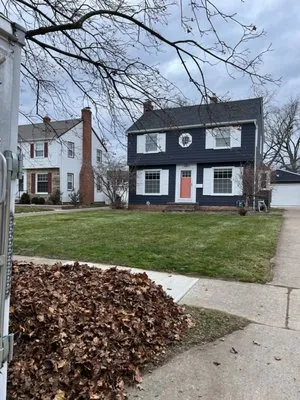
Brown’s Town Landscaping & Snow Removal
Brown's Town Landscaping & Snow Removal is your trusted, year-round partner for maintaining a beautiful and functional property in Fairview Park, OH. We understand the challenges local homeowners face...

Jack Of All Trades is a trusted, full-service home solutions provider serving Fairview Park, OH, and surrounding communities. We specialize in landscaping, handyman services, and painting, offering co...
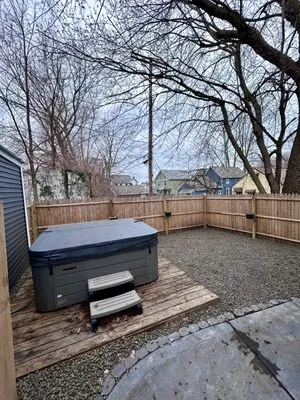
The Ohio Landscaping Lawn Care provides dependable lawn care and snow removal services for Fairview Park homes and businesses. We focus on consistent, thorough work, from routine mowing and seasonal c...
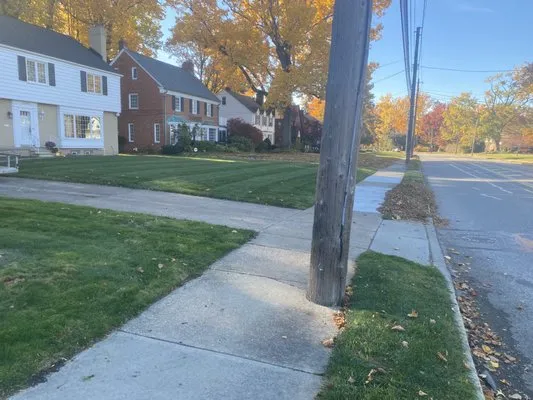
JMaxx Property Management is a Fairview Park-based landscaping business founded by Max, who brings six years of hands-on experience to every project. Starting his career with a local company before br...
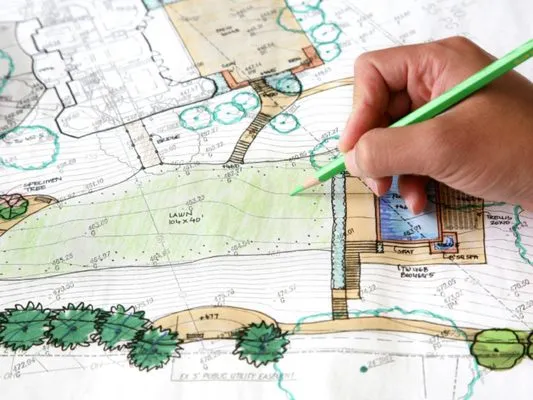
Queen Bee Garden Care is your trusted local landscaping partner in Fairview Park, OH. We specialize in comprehensive garden and lawn maintenance, focusing on the common issues that affect our communit...
Wally Mowers is a trusted, locally-owned landscaping company serving Fairview Park and the surrounding area. We understand the specific challenges homeowners face in our community, from the storm debr...
Questions and Answers
I'm tired of weekly mowing. What are my options for a lower-maintenance yard?
Transitioning perimeter zones or full sections to a native plant palette is the most ecologically sound strategy. Species like Purple Coneflower, Wild Bergamot, Butterfly Milkweed, and Little Bluestem are adapted to Zone 6b and require no fertilization, minimal watering once established, and no weekly mowing. This xeriscaping approach significantly reduces fuel consumption and noise, positioning your property ahead of potential future ordinances targeting gas-powered equipment. It also provides critical habitat, supporting 2026 biodiversity targets for urban landscapes.
What should I do about creeping Charlie and other weeds without harming my lawn?
Invasive ground covers like creeping Charlie thrive in compacted, shady areas of Kentucky Bluegrass lawns. The first line of defense is correcting soil health through aeration to improve grass competitiveness. For targeted treatment, use a selective, broadleaf herbicide applied in fall, carefully adhering to Ohio's Phosphorus application restrictions which prohibit phosphorus-containing fertilizers on established lawns. Always identify the species first, as manual removal may be effective for small patches and avoids any chemical use near desirable native plantings.
Is a smart irrigation system worth it here with no official water restrictions?
Absolutely. While Fairview Park has no mandatory restrictions, voluntary conservation is advised and Wi-Fi ET-based systems provide precise irrigation. These controllers use local weather data to apply only the water lost to evapotranspiration, which is critical for maintaining a Kentucky Bluegrass and Tall Fescue blend without overwatering. This technology prevents the shallow root development caused by fixed schedules and directly counteracts water loss in the area's Silty Clay Loam, which has low infiltration rates. It is a primary tool for sustainable turf management.
Water pools in my backyard every spring. What's a long-term fix?
Seasonal ponding is a direct result of the high clay content in Fairview Park's native soil, which has very slow permeability. A graded French drain system, channeling water to a dry well or rain garden, is the engineered solution. For new hardscapes, specify permeable jointing for concrete pavers or select natural sandstone set on a gravel base to increase surface infiltration. These methods help manage runoff on-site, which aligns with modern standards the Fairview Park Building Department reviews for drainage plans on residential lots.
Are concrete pavers or natural sandstone better for a new patio here?
Both concrete pavers and natural sandstone are durable choices for Fairview Park's climate. Pavers offer uniform sizing and high compressive strength for level surfaces, while sandstone provides a unique, natural aesthetic but requires sealing for longevity. Compared to wood, both materials are non-combustible, contributing to a property's defensible space—a consideration even with the area's low Fire Wise rating. The key is proper base preparation with gravel and sand to prevent heaving in our freeze-thaw cycles, ensuring decades of service.
Why does my lawn in West Park feel so compacted and heavy, even after I water it?
Soils in Fairview Park's post-1958 developments are typically Silty Clay Loam, a dense material that has matured for nearly 70 years without significant structural intervention. This aging process, combined with routine foot traffic, severely reduces soil percolation and oxygen availability for roots. Core aeration, followed by top-dressing with compost, is the most effective method to introduce organic matter and improve permeability. Without this, the high clay fraction will continue to cause seasonal ponding and restrict turf health.
How fast can you respond for an emergency tree cleanup after a storm?
For urgent storm response in the West Park/Fairview Center area, a dispatch from the Gemini Center via I-480 allows for an estimated 20-30 minute arrival during peak traffic. This timeframe accounts for navigating local streets to assess and secure the site. Crews prioritize making hazards safe and clearing access lanes first, with full debris removal following under the city's 8:00 AM to 9:00 PM noise ordinance. Communication with the Fairview Park Building Department for any right-of-way issues is initiated concurrently.
Do I need a permit to regrade my backyard, and who is legally allowed to do the work?
Regrading that alters drainage patterns or involves significant cut and fill typically requires a permit from the Fairview Park Building Department. On a 0.22-acre lot, such work can impact neighboring properties and municipal storm systems. The design and oversight should be performed by a professional licensed by the Ohio Department of Agriculture Landscape Architect Board or a registered engineer. This ensures the plan complies with local codes, manages Silty Clay Loam runoff effectively, and is executed to prevent future erosion or ponding liability.
