Top Landscaping Services in East Canton, OH, 44730 | Compare & Call
There are 96 landscaping companies server in East Canton OH
Fresh Cut Lawn Services is a locally-owned and operated business in Canton, OH, built on a foundation of genuine care and technical expertise. Owner and certified small engine mechanic, we combine han...
Mahon Lawn Care & Landscaping is your trusted Louisville partner for creating beautiful, functional, and resilient outdoor spaces. We specialize in custom landscape design that directly addresses comm...
Father & Son Property Maintanance
Father & Son Property Maintenance is a family-owned business serving the Louisville, OH, community. We specialize in year-round property care, addressing common local landscaping challenges like soil ...
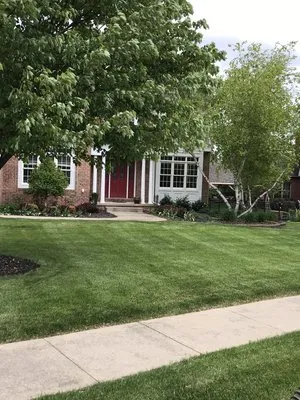
Lawncare Veteran is a veteran-owned lawn service in Louisville, OH, dedicated to providing reliable and professional maintenance for lawns of all sizes. We specialize in essential services like mowing...
Valleybrook Excavating is a trusted local excavation and site work contractor serving East Canton, OH, and surrounding areas. We specialize in precise excavation and trench digging, providing the esse...
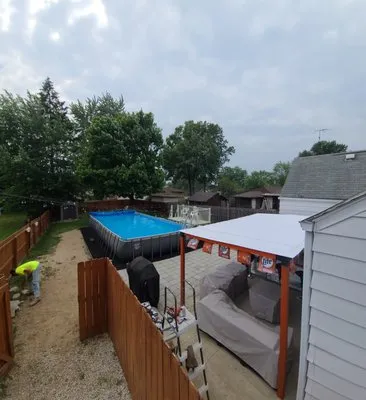
540 LawnScapes is led by Reid Hill, a driven 20-year-old student at Akron University studying Civil Engineering and Construction Management. As a young entrepreneur in East Canton, Reid is passionate ...
Estimated Landscaping Service Costs in East Canton, OH
Q&A
What solutions address seasonal saturation in East Canton's clay-heavy soil?
Moderate seasonal saturation in silt loam soils requires improving permeability through strategic grading and subsurface drainage. French drains with clean gravel layers redirect water away from foundations, while dry creek beds using crushed limestone provide surface channeling. Concrete pavers installed with permeable joints allow stormwater infiltration, meeting Stark County Building Department runoff standards. These approaches work synergistically to manage the high clay content that characterizes many East Canton properties, preventing erosion and foundation issues.
Are concrete pavers better than wood for East Canton patios and pathways?
Concrete pavers and crushed limestone offer superior longevity to wood in East Canton's climate, with 30+ year lifespans versus wood's 10-15 years even with treatment. These materials maintain structural integrity through freeze-thaw cycles characteristic of USDA Zone 6a. For properties with low Firewise ratings at the urban-suburban interface, non-combustible hardscapes provide defensible space without fuel continuity concerns. Their permeability also addresses drainage issues better than solid concrete slabs, making them compliant with modern runoff management standards.
What invasive species should East Canton homeowners monitor and how should they respond?
Japanese knotweed and garlic mustard present significant threats in East Canton, outcompeting native vegetation and degrading soil health. Manual removal before seed set proves most effective, followed by targeted spot treatments using glyphosate alternatives that won't leach into waterways. Always check Ohio Department of Agriculture guidelines for phosphorus application near water features, as certain months have restrictions. Proper disposal of invasive plant material prevents reinfestation and protects the ecological balance of the Historic District's green spaces.
How do smart irrigation systems work with East Canton's voluntary water conservation?
Smart Wi-Fi soil moisture sensor controllers measure actual soil conditions rather than operating on fixed schedules, reducing water use by 30-50% compared to traditional timers. These systems calculate evapotranspiration (ET) rates specific to East Canton's USDA Zone 6a climate, applying water only when Kentucky Bluegrass and Tall Fescue blends show measurable need. This technology maintains turf health while staying well within municipal water limits, even during peak summer months. The voluntary conservation status makes precision irrigation particularly valuable for long-term sustainability.
How can I reduce maintenance while supporting local ecology in my East Canton yard?
Replacing high-maintenance turf areas with native plantings like Purple Coneflower, Butterfly Milkweed, Wild Bergamot, and Little Bluestem creates resilient landscapes requiring minimal inputs. These species have deep root systems that improve soil structure and drought tolerance beyond what traditional lawns provide. The transition supports 2026 biodiversity standards while reducing mowing frequency and eliminating gas-powered equipment use ahead of tightening noise ordinances. Native plant communities also provide critical habitat for pollinators throughout Stark County.
Why does my lawn in the East Canton Historic District struggle with compaction and poor drainage?
Properties built around 1959 have soil that has matured for approximately 67 years, developing significant compaction layers from decades of foot traffic and maintenance equipment. East Canton's silt loam soil, with its moderate clay content, naturally retains moisture but becomes impermeable when compacted. Core aeration every 1-2 years introduces oxygen channels and incorporates organic amendments like compost to improve soil structure. This addresses the pH range of 6.2-6.8 by enhancing microbial activity that naturally buffers acidity without chemical intervention.
How quickly can you respond to storm damage for HOA compliance in East Canton?
Emergency cleanup crews dispatch from East Canton Community Park, taking US Route 30 to reach most Historic District properties within 20-30 minutes during peak response windows. Our electric maintenance fleet operates within the 7:00 AM to 9:00 PM noise ordinance restrictions without performance compromise. We prioritize safety assessments first, then debris removal using equipment specifically calibrated for the 0.25-acre lot sizes common in this area. This approach ensures compliance while restoring property functionality efficiently.
What permits and licenses are required for landscape grading in East Canton?
Grading projects on 0.25-acre lots typically require Stark County Building Department permits when moving more than 50 cubic yards of soil or altering drainage patterns. The Ohio Department of Agriculture Landscape Architect Board licenses professionals for designs involving significant elevation changes or engineered solutions. Unlicensed grading can violate county erosion control ordinances and create liability for downstream water issues. Always verify contractor credentials before beginning earthwork, as proper licensing ensures compliance with both safety standards and environmental regulations.
