Top Landscaping Services in Duncan Falls, OH, 43734 | Compare & Call
There are 69 landscaping companies server in Duncan Falls OH

C&M Services is your trusted, local Circleville partner for maintaining and improving your home. We combine expertise in drywall installation, repair, and texturing with reliable lawn care and pressur...
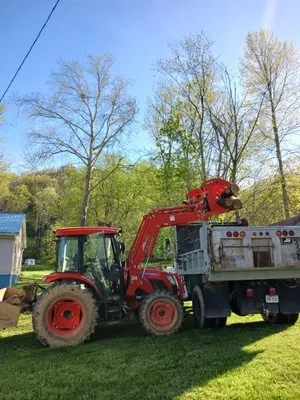
Polings Land Management is a trusted, locally-owned service provider serving Malta and the surrounding communities. We specialize in a comprehensive range of outdoor solutions, including junk pickup, ...
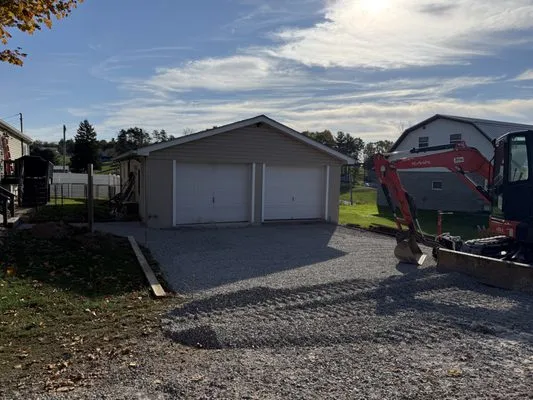
Logan Ridge Dirtworks, based in Caldwell, Ohio, provides foundational site work and property improvement services with a focus on practical, lasting solutions. Leveraging 25 years of hands-on experien...
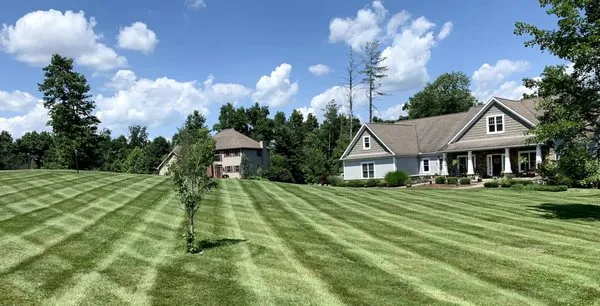
Castle Lawn Care
Castle Lawn Care has been a trusted provider of comprehensive lawn and landscape services for New Concord and the surrounding Zanesville area since 2017. We go beyond basic lawn mowing to offer a full...

Millers Mowtivated Lawn Care is a trusted local provider in Marietta, OH, dedicated to keeping your property healthy and attractive year-round. We understand the common local challenges homeowners fac...
Bates Property Solutions is a trusted local contractor in New Concord, OH, specializing in landscaping, pressure washing, and deck services. We help homeowners address common local landscaping challen...
Longstreth Lawn Care is a trusted Zanesville, OH business providing comprehensive lawn services and junk removal to keep local properties healthy and tidy. We specialize in addressing common Zanesvill...
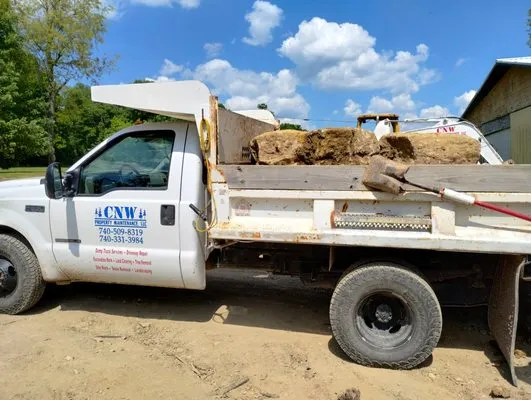
CNW Property Maintenance is a family-owned and operated LLC based in Cumberland, OH, providing comprehensive excavation, landscaping, and tree services to the local community. Fully insured and dedica...
For over a decade, Hartman Landscaping has been the trusted full-service landscape contractor for Zanesville, Ohio homeowners and businesses. We build lasting partnerships by focusing on durable desig...
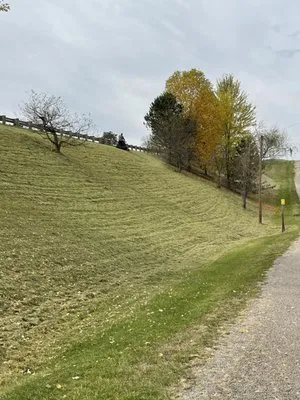
J & A Lawncare is a trusted, locally-owned lawn service provider in Byesville, OH. We specialize in comprehensive lawn care solutions designed to tackle the common landscaping challenges faced by home...
Estimated Landscaping Service Costs in Duncan Falls, OH
Q&A
Are concrete pavers a better choice than wood for a new patio?
For longevity and low maintenance in our climate, concrete pavers are superior. They resist frost heave, do not rot or splinter, and have a lifespan exceeding 25 years with proper installation on a compacted base. While wood offers a warmer aesthetic, it requires regular sealing and replacement. In terms of fire-wise planning, both materials are suitable for our low-risk rating, but pavers provide a more permanent, non-combustible surface.
My yard holds water every spring. What's a lasting solution for this wet spot?
Moderate seasonal flooding is a known issue with our acidic silt loam due to its slow permeability. A French drain system tied to a dry well is often the most effective subsurface solution. For surface hardscaping, using permeable concrete pavers or an open-graded crushed limestone base can significantly improve infiltration. These approaches help manage runoff to meet Muskingum County Planning Commission standards for on-site water management.
Do I need a permit to regrade my backyard, and what should I look for in a contractor?
Significant regrading on a 0.25-acre lot that alters stormwater flow likely requires a permit from the Muskingum County Planning Commission. More critically, you must hire a contractor licensed by the Ohio Department of Agriculture for landscape/nursery work if the project involves moving substantial earth or installing drainage systems. This licensing ensures they understand soil science, erosion control, and legal BMPs, protecting you from liability and poor workmanship.
I see a vine spreading aggressively. How should I handle invasive plants here?
Common invasive alerts for our area include Japanese knotweed and wintercreeper euonymus. Manual removal is safest for small patches. For larger infestations, a targeted, systemic herbicide applied in late summer or early fall when the plant is translocating nutrients to the roots is most effective. Crucially, any application must follow Ohio BMP guidelines, which prohibit treatment on frozen ground to prevent runoff into our watersheds.
A storm knocked down a large limb. How quickly can a crew arrive for emergency cleanup?
For an emergency call, our standard dispatch originates near the Duncan Falls Bridge. Using OH-60, we can typically reach most Village Center addresses within the 25–35 minute window noted for peak storm response. Crews are equipped for immediate debris removal and safety mitigation. We coordinate to operate within standard noise ordinance hours, ensuring work can begin promptly at 7:00 AM.
How do I keep my Kentucky Bluegrass and Tall Fescue blend green without wasting water?
Despite no formal restrictions, general conservation is advised. A smart Wi-Fi soil moisture sensor controller is the key technology. It schedules irrigation based on actual evapotranspiration (ET) and soil conditions, not just a timer. This prevents overwatering our dense silt loam and promotes deeper root growth. Such a system can maintain turf health while reducing municipal water use by 20-30%.
My lawn in Duncan Falls Village Center seems thin and drains poorly. Is this just the age of my house?
Houses from the 1950s, like many here, often have soils impacted by 70 years of construction and compaction. Acidic silt loam, our predominant soil, naturally has poor permeability and becomes dense over decades without intervention. This history explains the common issues of seasonal flooding and thin turf. Core aeration and incorporating composted organic matter are essential to rebuild soil structure and improve water infiltration for healthy roots.
I'm tired of weekly mowing. What are some lower-maintenance, eco-friendly options?
Transitioning sections of high-input turf to a native plant community is a forward-thinking solution. Species like Purple Coneflower, Swamp Milkweed, and Little Bluestem are adapted to Zone 6b and require no mowing, minimal water, and no synthetic fertilizers. This shift also supports 2026 biodiversity goals. Furthermore, it reduces reliance on gas-powered equipment, aligning with evolving noise ordinances that increasingly restrict such tools.
