Top Landscaping Services in Dresden, OH, 43821 | Compare & Call

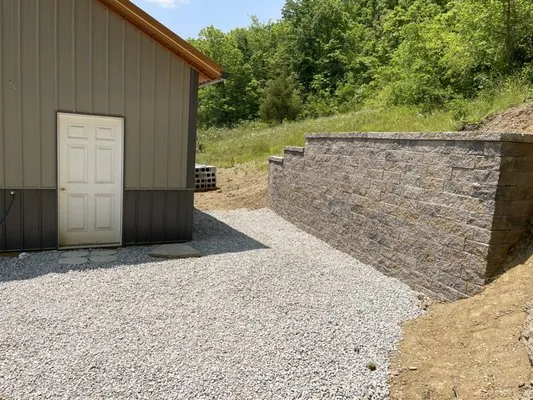
Hilltop Landscapes in Dresden, OH, is a family-owned business where generations of farming and floristry heritage meet expert outdoor craftsmanship. We specialize in creating enduring landscapes and h...
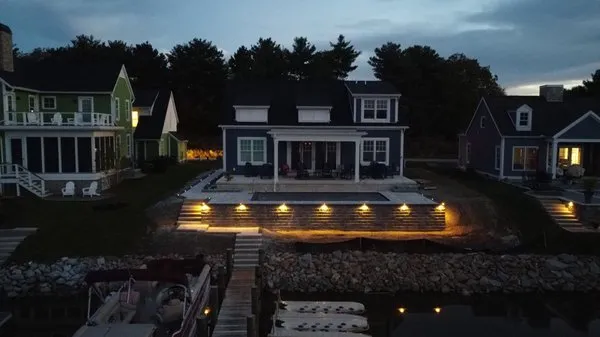
Founded in 2010 by Austin Buty, A+ Lawncare & Landscaping began as a dedicated lawn mowing service in Dresden, OH. What started with a few basic tools and loyal clients has grown into a full-service p...

DnD Lawncare is a locally owned and operated lawn service company based in Dresden, OH, dedicated to providing reliable and professional yard maintenance for residents. Founded by Dylan, the business ...

Dresden Landscaping is a locally owned and operated business dedicated to enhancing and protecting outdoor spaces in Dresden, Ohio. We specialize in diagnosing and treating common local lawn and garde...
QLC Erosion Control is a Dresden-based lawn care service dedicated to helping local homeowners maintain healthy, resilient lawns. We specialize in addressing common landscaping challenges in the Dresd...
C&A Lawncare is a trusted, locally-owned lawn and tree service provider serving Dresden, Ohio, and the surrounding Muskingum County area. We specialize in comprehensive lawn care and tree care service...
FAQs
Should I replace high-maintenance turf with native plants in Dresden?
Transitioning 30-50% of turf to Eastern Redbud and Little Bluestem stands reduces mowing frequency from weekly to seasonal while providing year-round habitat. Butterfly Milkweed and Wild Bergamot establish deep root systems (3-6 feet) that access subsoil moisture, eliminating irrigation needs after establishment. This xeriscaping approach aligns with emerging electric equipment mandates, as native plantings require no gas-powered blowers for maintenance. The biodiversity increase supports 2026 pollinator corridor initiatives while cutting water use by 60-70%.
What invasive species threaten Dresden lawns, and how are they managed safely?
Japanese knotweed and garlic mustard present primary risks, spreading through root fragments in disturbed silt loam. Certified applicators use glyphosate spot treatments during active growth phases, avoiding Ohio's phosphorus restrictions on established turf. For organic approaches, solarization with clear polyethylene raises soil temperatures to 120°F, eliminating weed seeds without chemicals. All treatments follow state nutrient management blackout dates (typically November-March) while preventing soil disturbance that could trigger erosion in sloped areas.
What solutions address moderate runoff in Dresden's clay-heavy subsoils?
French drains with clean stone aggregate and geotextile fabric intercept subsurface water before it saturates clay layers. For surface flow, permeable concrete pavers with 0.25-inch joint spacing allow 5-8 inches per hour infiltration, meeting Muskingum County runoff standards. Grading adjustments creating 2% slope away from foundations redirect 85% of stormwater. These approaches combat the 1.5-inch per hour percolation limitation of compacted silt loam while preventing basement flooding common in 1970s-built neighborhoods.
How quickly can you respond to storm damage for HOA compliance in Dresden?
Emergency cleanup crews dispatch from the Dresden Suspension Bridge area via OH-16, arriving within 45-60 minutes during peak conditions. We maintain electric-powered equipment fleets that operate within standard noise ordinance quiet hours (10 PM-7 AM) while providing immediate debris removal. For fallen limbs exceeding 6-inch diameter, certified arborists coordinate with Muskingum County Planning Commission for proper disposal protocols. This response time accounts for historic district narrow street access and post-storm traffic patterns.
Can smart irrigation systems maintain Kentucky Bluegrass blends during Dresden's dry spells?
Wi-Fi soil moisture sensor controllers prevent overwatering by tracking real-time evapotranspiration rates and soil saturation levels. These systems apply 0.75-1 inch weekly during peak growth, aligning with municipal conservation guidelines while preserving turf health. For silt loam soils, sensors trigger irrigation only when moisture drops below 25% field capacity, reducing water use by 30-40% compared to timer-based systems. This technology maintains Tall Fescue blends without violating any current water restrictions in Zone 6a.
Why does my Dresden Historic District lawn struggle with compaction and poor drainage?
Dresden's 1972-built homes have 54-year-old soil systems where decades of foot traffic and equipment use have compacted the native silt loam. This soil type naturally has moderate permeability, but compaction reduces pore space, limiting water infiltration to 0.25 inches per hour. Core aeration every 2-3 years with organic amendments like composted leaf mold addresses this by improving soil structure to 6.2-6.8 pH optimal range. Historic district lots often have clay subsoil layers that exacerbate runoff issues during spring thaws.
Are concrete pavers or wood better for Dresden patio installations?
Concrete pavers and local sandstone offer 25-40 year lifespans versus wood's 10-15 years, with superior freeze-thaw resistance in Zone 6a. These materials maintain fire-wise low ratings by creating non-combustible defensible space around structures. Properly installed with polymeric sand joints, paver systems accommodate 4-6 inches of seasonal soil movement without cracking. For historic district compatibility, tumbled sandstone blends with existing architecture while providing permeability rates exceeding 10 inches per hour for stormwater management.
What permits and licenses are needed for grading my 0.25-acre Dresden property?
Grading altering more than 100 cubic yards of soil requires Muskingum County Planning Commission review for erosion control compliance. Licensed landscape architects through Ohio Department of Agriculture must design retaining walls over 4 feet or drainage systems handling watersheds exceeding 1,000 square feet. For 0.25-acre lots, this typically involves engineered plans showing how modified slopes maintain 2:1 stability ratios. Unlicensed grading risks fines up to $5,000 and mandatory restoration orders, particularly in historic districts with archeological sensitivity.
