Top Landscaping Services in Delaware, OH, 43015 | Compare & Call
There are 192 landscaping companies server in Delaware OH
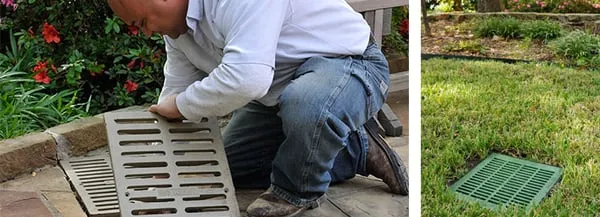
Rain One Irrigation and Drainage
Rain One Irrigation and Drainage is a locally owned and operated business serving Blacklick and Central Ohio for over 25 years. Owner Blair leads a team focused on irrigation systems, landscape draina...
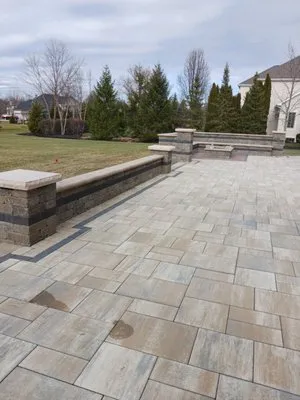
Landscaping Chalino is a Columbus-based landscaping company with over 11 years of experience serving residential and commercial properties throughout the region. Founded in 2017, we specialize in land...
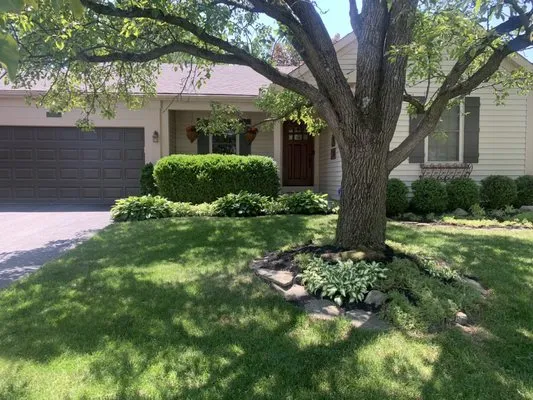
TCT Property Enterprises is a family-owned and operated property services company proudly serving Whitehall, Ohio, and the surrounding areas for over three decades. We are a fully insured and bonded t...
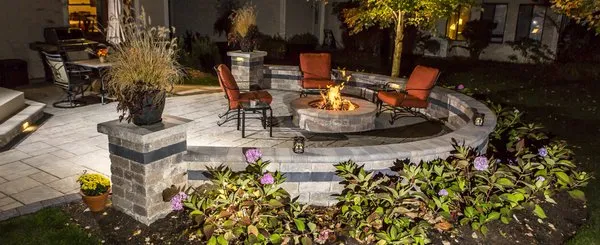
Timberwood Landscape has been transforming outdoor spaces in Dublin, OH and the greater Columbus area for over four decades. Our experienced team specializes in comprehensive landscape design and cons...
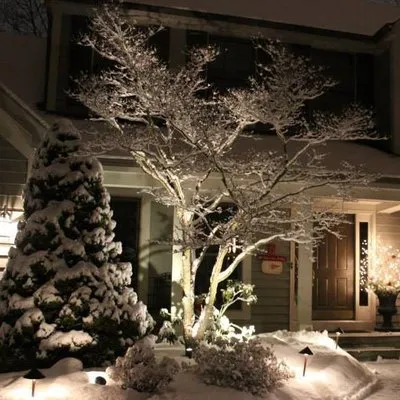
Ryan's Landscape Maintenance
Ryan's Landscape Maintenance is a family-owned landscaping business serving Delaware, OH, and surrounding areas. Founded by Ryan Harrell during his high school years, the company has grown from a one-...
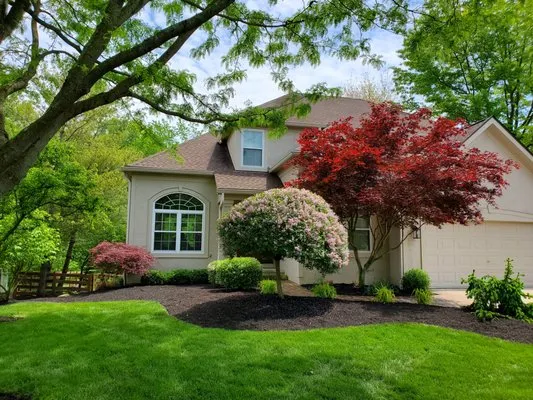
Oasis Outdoor Solutions is a family-owned landscaping company proudly serving Delaware, Marion, Union, and Morrow counties. With over a decade of local experience, we understand the unique needs of Ce...
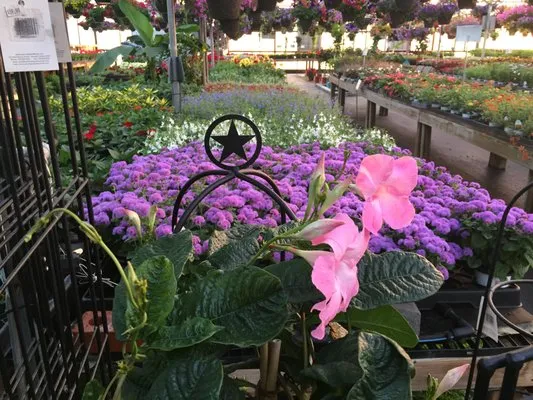
Mile Tree Lawn & Garden
Mile Tree Lawn & Garden is a family-owned Clarksburg institution, established in 1991. Rooted in deep horticultural expertise, the business grows a vibrant selection of annuals, perennials, and vegeta...

For over two decades, Faber Landscaping and Greenery has been a trusted, family-owned partner for homeowners in Hilliard and the greater Columbus area. Rooted in local experience, we specialize in com...
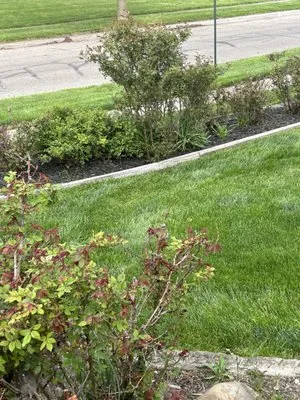
Landscapes By Chisholm is a Columbus-based lawn care provider dedicated to keeping local yards healthy and beautiful. We specialize in comprehensive lawn care services that directly address common Cen...
Miguel's Lawn Service has been a trusted provider of lawn and tree care for Columbus, OH, and surrounding communities since 2015. We specialize in a comprehensive range of services, from routine lawn ...
Estimated Landscaping Service Costs in Delaware, OH
Q&A
How should I deal with invasive weeds like creeping Charlie without harming my lawn?
For invasive ground covers, a selective post-emergent herbicide application in early fall is most effective, when plants are actively storing nutrients. Crucially, any product used must be phosphorus-free to comply with local ordinance, unless a current soil test confirms a deficiency. Always follow label rates to prevent runoff into adjacent planting beds containing desired natives like Wild Bergamot.
Are concrete pavers or wood a better choice for a new patio?
Concrete pavers and limestone offer superior longevity and lower lifetime maintenance than wood, which requires regular sealing and eventual replacement. In Delaware's climate, these materials have excellent freeze-thaw durability. Their non-combustible nature also contributes to a Firewise defensible space rating, which is a prudent consideration even in a low-risk suburban interface area for future resilience.
Do I need a permit to regrade my backyard, and what should I check with a contractor?
Yes, significant regrading on a 0.22-acre lot typically requires a permit from Delaware City Planning and Community Development to ensure proper drainage and compliance with codes. Verify your contractor holds a current license from the Ohio Department of Agriculture for landscaping and nursery work. This licensing is mandatory for operations that modify land contours and install permanent drainage infrastructure, protecting you from liability.
Why does my lawn have such poor drainage and compaction compared to newer neighborhoods?
Properties built around 1982 in the Uptown area have mature soil profiles of Miamian-Celina Silt Loam, which is over 40 years old. This soil's high clay fraction naturally compacts over decades, reducing percolation and causing the seasonal ponding you observe. Core aeration paired with incorporating 1-2 inches of composted organic matter is the standard protocol to rebuild soil structure and porosity, directly addressing the legacy compaction from original construction.
My yard holds water every spring. What's a permanent solution?
Seasonal ponding is a direct result of the low permeability in Miamian-Celina Silt Loam. A tiered approach is most effective: first, install a French drain or dry well system to intercept subsurface water. For new hardscapes, specify permeable concrete pavers or open-joint limestone set on a gravel base. These materials increase ground infiltration and can help projects meet the Delaware City Planning and Community Development standards for stormwater runoff management.
Can I have a green lawn while still following water conservation practices?
Yes, using a smart Wi-Fi ET-based irrigation system is the precise method. It schedules watering based on real-time evapotranspiration data and local weather, applying water only when the Kentucky Bluegrass and Tall Fescue blend requires it. This technology often reduces water use by 20-30% compared to traditional timers, maintaining turf health within municipal conservation guidelines without mandatory restrictions.
How fast can a crew respond for an emergency tree cleanup after a storm?
For an urgent HOA compliance or safety issue, our dispatch from the Ohio Wesleyan University area prioritizes US-23 for access. During peak conditions, a dedicated crew can typically be on-site within the 20-30 minute window. This routing minimizes delays from local traffic, ensuring rapid debris management and hazard mitigation to secure the property.
What are the long-term alternatives to constant mowing and blowing?
Transitioning perimeter areas to a native plant community is a strategic reduction in maintenance. Species like Purple Coneflower, Butterfly Milkweed, and Little Bluestem thrive in Zone 6a without weekly mowing, fertilization, or frequent watering. This shift pre-emptively adapts to evolving noise ordinances that restrict gas-powered blowers and aligns with the industry's move toward quieter, electric maintenance fleets.
