Top Landscaping Services in De Graff, OH, 43318 | Compare & Call
There are 66 landscaping companies server in De Graff OH

JSR Stump Grinding
JSR Stump Grinding is a Donnelsville-based provider of essential lawn and property care, including lawn care and snow removal services. We understand the local challenge of patchy, bare lawn grass tha...
MLC Lawncare is a dedicated, locally-owned lawn service provider serving Huntsville, OH, and the surrounding area. We specialize in comprehensive lawn care, focusing on the specific challenges homeown...
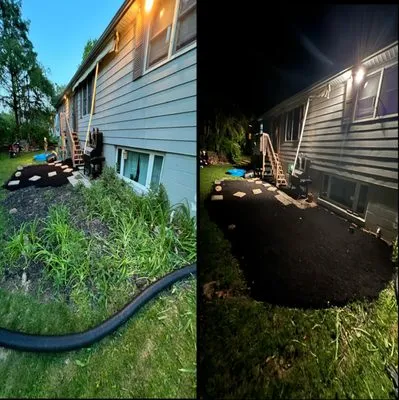
Precision Landscaping is a trusted local provider of comprehensive lawn and landscape services in Bellefontaine, Ohio. We specialize in creating and maintaining beautiful, functional outdoor spaces ta...

At Collins Ag Outdoor, Lawn, & Garden in Bellefontaine, we're your local partner for creating and maintaining a beautiful, functional outdoor space. We combine a deep understanding of the local enviro...
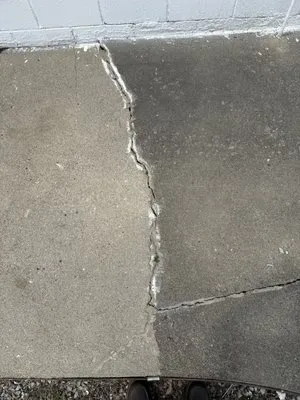
Tobias Lawn Care & Much More is a trusted Urbana, OH business specializing in lawn services and pressure washing to address common local landscaping challenges. Many homeowners in Urbana face issues l...
J's Service & Install
J's Service & Install is a trusted West Liberty, OH business specializing in both landscaping and electrical solutions for local homeowners. We understand that many residents face frustrating landscap...
Estimated Landscaping Service Costs in De Graff, OH
Q&A
Should I use wood or stone for a new patio? I'm concerned about longevity.
For longevity and low maintenance in our climate, crushed limestone and concrete pavers are superior to wood. They resist frost heave, will not rot, and require no sealing or staining. While De Graff has a low Fire Wise rating, using non-combustible hardscape materials like these contributes to defensible space principles. A properly installed base of compacted gravel ensures decades of stable service, whereas wood decks have a much shorter lifespan and higher upkeep cost.
My yard stays soggy for days after rain. What's the cause and a lasting fix?
This is a classic symptom of our area's seasonal high water table and the poor infiltration of the underlying clay subsoils. Surface water cannot percolate down, creating persistent dampness. A functional solution involves creating a shallow, graded swale lined with permeable crushed limestone to direct water away from foundations. Using permeable concrete pavers for patios or walkways also reduces runoff, helping projects meet Logan County Building Authority standards for on-site water management.
Is it wasteful to water my Kentucky Bluegrass and Tall Fescue lawn during summer?
Not with modern ET-based systems. Smart Wi-Fi irrigation controllers use local weather sensing to apply water only when evapotranspiration rates demand it, matching the precise needs of your grass blend. This technology often reduces municipal water use by 20-30% compared to timer-based systems. Even under voluntary conservation, this approach maintains turf health without excess, as the system automatically skips cycles after measurable rainfall.
My lawn looks tired and doesn't hold water well. Is this just a bad season?
For properties built around 1941, the soil profile is mature, at least 85 years old. In the De Graff Residential Core, the Miamian-Celina Silt Loam likely has a severely compacted layer from decades of conventional maintenance, restricting root depth and permeability. This soil's natural pH of 6.8-7.2 is suitable, but the structure needs rehabilitation. Core aeration followed by incorporating 1/4 inch of composted organic matter is critical to restore pore space and microbial activity for water infiltration.
What invasive plants should I watch for, and how do I remove them safely?
In Zone 6a, be vigilant for Japanese Knotweed, Garlic Mustard, and Callery Pear seedlings. Manual removal is most effective for small infestations; ensure entire root systems are extracted. For chemical control, use glyphosate-based herbicides applied precisely to foliage in late summer or fall, strictly following Ohio Department of Agriculture guidance. This timing avoids the state's blackout dates for phosphorus application near water bodies and is when plants are translocating nutrients to roots for maximum efficacy.
I want to reduce mowing and gas equipment noise. What are my options?
Transitioning perimeter zones to a xeriscape of native plants like Purple Coneflower, Butterfly Milkweed, Little Bluestem, and Ohio Goldenrod drastically cuts maintenance. These deep-rooted perennials require no weekly mowing, minimal water once established, and support local biodiversity. This shift future-proofs your landscape against tightening noise ordinances targeting gas-powered blowers and mowers, aligning with the move toward quieter, electric maintenance fleets.
A storm knocked down a large limb. How quickly can you respond for an emergency cleanup?
For an HOA compliance or safety-related emergency cleanup, our dispatch from De Graff Village Park uses US Route 33 for primary access. During peak hours, anticipate a 45-60 minute response window for the De Graff area. Our crews operate electric chippers and hauling equipment compliant with daytime noise ordinances, allowing work to begin immediately upon arrival within the 7:00 AM to 9:00 PM window.
Do I need a permit to regrade my backyard, and what kind of contractor should I hire?
Yes, significant regrading on a 0.25-acre lot typically requires a permit from the Logan County Building Authority to ensure proper drainage and compliance with zoning. You must hire a contractor licensed by the Ohio Department of Agriculture for landscape/nursery work or a registered engineer for major earthmoving. This licensing ensures they understand soil mechanics, local codes, and best practices for managing the site's specific silt loam and clay subsoil conditions, preventing future drainage or structural issues.
