Top Landscaping Services in Dayton, OH, 45377 | Compare & Call

Ironwood Landscapes
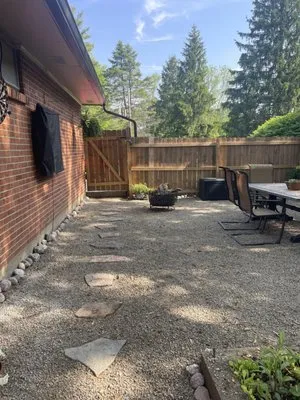
Ironwood Landscapes helps Dayton homeowners create and maintain beautiful, functional outdoor spaces. We provide professional landscape design, transforming your yard with thoughtful plant design, mul...
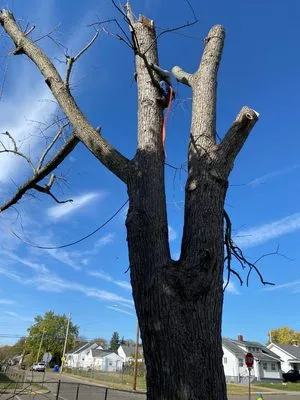
Lawn Maintenance P & R is your trusted, local partner for year-round property care in Dayton, OH. We understand that local homeowners face unique challenges, from persistent lawn fungus to unexpected ...
Knollwood Garden Center and Landscaping
Knollwood Garden Center and Landscaping has been a trusted Dayton, OH resource since 1926, evolving from a carnation and mum grower to a full-service garden center and landscaping provider. The Scott ...
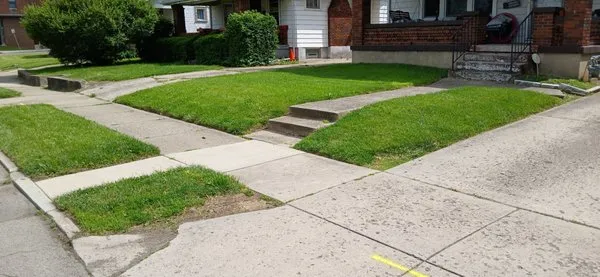
Lawrence Mychael Boggess, a lifelong Kettering resident, has been perfecting his landscaping skills since he was a teenager. After years of working for others, he founded Boggess Push Mowing to work d...

Since 1940, Deal's Landscape Service has been a Dayton family-owned business, building and maintaining beautiful, functional outdoor spaces. We operate our own five-acre nursery, allowing us to source...
Urban Gardeners is a Dayton-based landscaping company specializing in smart, resilient design to combat common local issues like landscape edging damage and moss growth. We understand that Dayton's we...
Hoffmans Landscaping
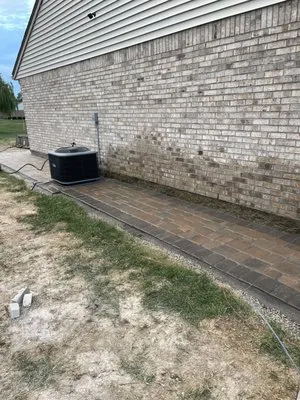
Hoffmans Landscaping is a trusted, locally-owned landscaping company serving Dayton, OH, and the surrounding communities since 2002. We specialize in comprehensive landscaping, hardscaping, and snow r...

GetMulched is a trusted landscaping company serving the Dayton, OH area with nearly 25 years of dedicated experience. Founded in 2001 by a local college student with a vision for reliable service, we ...
Groundskeeper
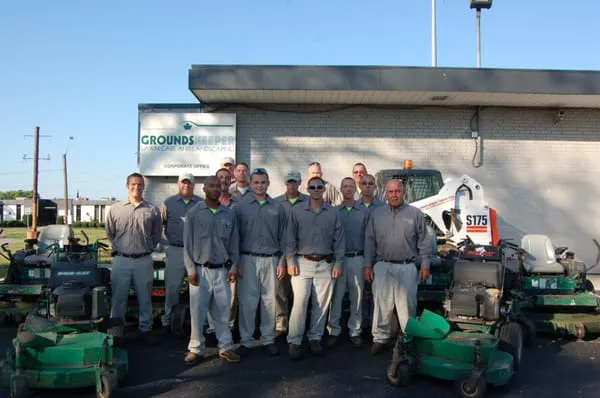
Groundskeeper in Dayton, OH is a locally owned and operated landscape company founded in 2000, specializing in commercial property maintenance and residential services. With over 20 years of experienc...
Buckeye Lawn and Landscaping/Oheil Irrigation Company
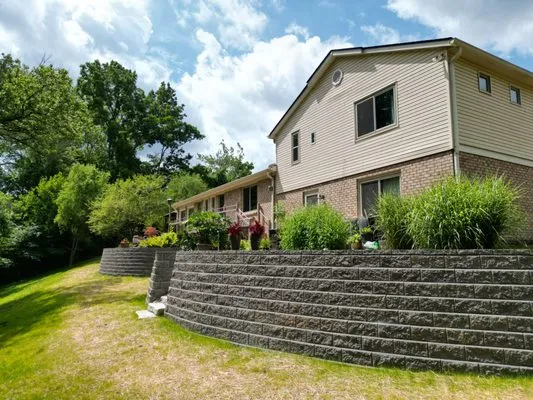
Buckeye Lawn and Landscaping/Oheil Irrigation Company is a trusted, family-rooted business serving Dayton, Montgomery, and Warren counties. Founded by Jeff Oheil in 1980 with a single truck and rented...
Q&A
We're tired of weekly mowing and gas equipment noise. Are there lower-maintenance, quieter landscape options?
Transitioning high-input turf areas to a planting of Ohio natives like Purple Coneflower, Butterfly Milkweed, and Little Bluestem grass drastically reduces maintenance. These adapted plants require no weekly mowing, minimal water, and support local pollinators. As Dayton's noise ordinances tighten and the industry shifts toward quieter electric maintenance fleets, such a xeriscape is a forward-thinking investment in both ecology and peace.
Is an Ohio limestone paver patio more durable and sensible than a wood deck for our backyard?
For longevity and minimal upkeep, Ohio limestone pavers are superior. They are inert, frost-heave resistant, and will last decades with no need for staining, sealing, or replacement like wood. While Dayton's Fire Wise rating is low, the non-combustible nature of stone also contributes to defensible space. The initial investment is offset by the virtual elimination of long-term maintenance costs and replacement cycles.
Our Oregon District yard has the same thick clay soil as our neighbors. Why does it get so compacted, and what's the long-term solution?
Dayton's Miamian-Celina silt loam, prevalent in neighborhoods developed around 1952 like yours, has matured for over 70 years. This soil type is high in clay content, which naturally compacts over decades of foot traffic and mowing, reducing pore space for air and water. The solution isn't a one-time fix but an ongoing program of core aeration, ideally in fall, paired with top-dressing compost to build organic matter and improve soil structure permanently.
We get seasonal ponding in our low spots. What are effective solutions that also handle runoff properly?
Seasonal ponding is a common issue with Dayton's clay-heavy soils, which have slow permeability. Solutions range from installing French drains or dry creek beds to regrading. For any new patios or walkways, using permeable Ohio limestone pavers can significantly reduce surface runoff. The City of Dayton Planning, Neighborhoods & Development office has specific standards for drainage improvements, which these systems are designed to meet.
A storm damaged trees and we need an emergency cleanup to meet HOA compliance. How quickly can a licensed crew arrive?
A fully insured crew can typically dispatch from our staging area near the Dayton Art Institute within the hour. Using I-75 for primary access, our peak storm response time to the Oregon District is 20-30 minutes. We prioritize safety and debris removal to secure the property and bring it into compliance, coordinating directly with your HOA if required.
We want to regrade our yard and install a small retaining wall. What permits and contractor credentials are required?
Any significant regrading or structural wall requires a permit from the City of Dayton Planning, Neighborhoods & Development. On a 0.15-acre lot, precise engineering is critical to avoid impacting neighboring drainage. Legally, the contractor must hold a valid Nursery/Landscape License from the Ohio Department of Agriculture. This licensing ensures they carry the required insurance and have passed examinations on state environmental and business practices.
We want a green lawn but don't want to waste water. What's the most efficient system for our Kentucky Bluegrass blend?
While Dayton has no mandatory water restrictions, voluntary conservation is advised. A Wi-Fi-enabled, ET-based weather-sensing irrigation system is optimal. It automatically adjusts watering schedules based on real-time evapotranspiration data, soil moisture, and forecasted rain. This technology applies water only when and where your turfgrass blend needs it, reducing usage by up to 30% compared to traditional timer systems.
We've spotted invasive vines and want to treat our lawn for weeds. Are there any application rules we should know?
First, identify the invasive; common threats here include wintercreeper and Japanese honeysuckle. Manual removal is often best. For chemical treatments, always follow Ohio state guidelines, which strictly regulate phosphorus application in urban areas to protect watersheds. There are also seasonal blackout dates for certain herbicides to prevent runoff. A licensed professional can create a safe, compliant Integrated Pest Management plan.
