Top Landscaping Services in Crestline, OH, 44827 | Compare & Call
There are 71 landscaping companies server in Crestline OH
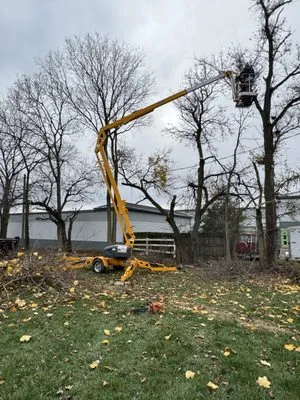
Fireline Lawns is a Columbus-based, family-owned business specializing in tree services, lawn care, and excavation. Founded on the hardworking values passed down through generations, owner Phil Willia...
Founded on a foundation of over six years of hands-on experience, E & M Tree & Lawn Service is a family-owned business proudly serving Springfield, OH. We built our company from the ground up, transit...
CMS Services is a trusted, local provider of lawn care, handyman, and general contracting services for homeowners and businesses in Sidney, Ohio. We understand the unique challenges of our local clima...

The Dude Solutions is a Marion-based handyman and landscaping service founded by a local father with deep roots in property maintenance. Starting with hands-on work on his grandparents' rental propert...
Oasis Lawn Care & Snow Removal is a locally owned and operated Mansfield business founded in 2014 by Dianglo Strong and myself. We started with a simple goal: to provide reliable, quality lawn care an...
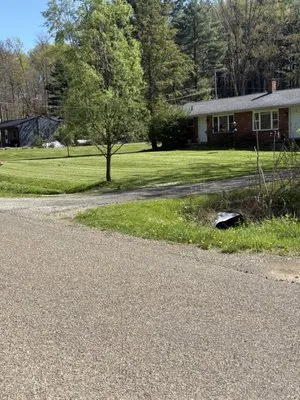
Grass Monkeys Lawncare is a family-owned and operated lawn service business proudly serving the Ontario, OH community. We focus on providing reliable, high-quality lawn care with exceptional customer ...
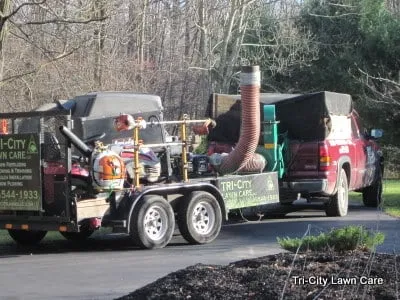
Hi, I'm Matthew Breedlove, the owner and founder of Tri-City Lawn Care. We started this business right here in Richland County back in 2009, and I'm proud to say we've been growing steady and strong e...
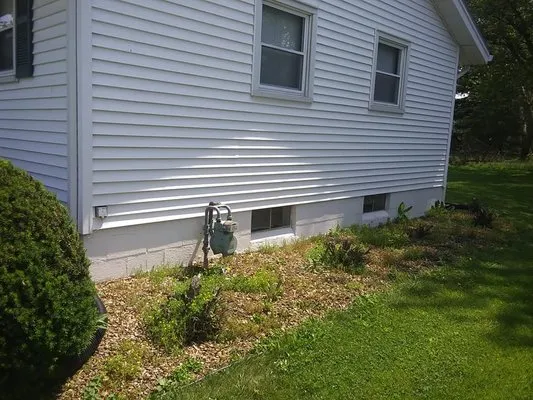
Wireman's Pro Lawn is your trusted, locally-owned lawn care and snow removal service in Galion, Ohio. We specialize in protecting and enhancing your property year-round. In the warmer months, we focus...
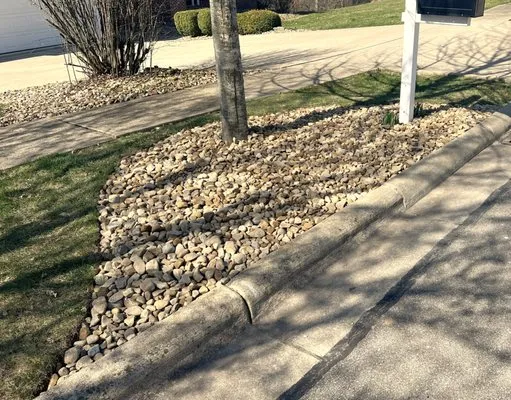
Stillwater Lawncare & Landscaping
Stillwater Lawncare & Landscaping is a locally owned and operated business serving Mansfield and surrounding Richland County. Founded by Mitch Wolfe, our company is built on a foundation of high-quali...
Power Scape Property Maintenance is your trusted local partner in Lexington, Ohio, for comprehensive property care. We specialize in landscaping, flooring, and pressure washing services, helping homeo...
Estimated Landscaping Service Costs in Crestline, OH
Q&A
Why does my Downtown Crestline yard have such compacted soil that needs annual aeration?
Crestline's residential lots in Downtown neighborhoods were typically developed around 1957, giving the Blount-Pewamo Silt Loam soil nearly 70 years of maturation. This soil type naturally develops high clay content that compacts under decades of foot traffic and maintenance equipment. Core aeration every 1-2 years improves oxygen exchange and water permeability, while incorporating organic compost addresses the pH 6.5-7.2 range's tendency to form surface crusts that inhibit root development.
What invasive species should I watch for in Crestline, and how do I treat them safely?
Japanese knotweed and garlic mustard present significant invasive risks in Crestline's Zone 6a climate. Manual removal during early growth stages prevents seed dispersal without chemical intervention. For persistent infestations, targeted herbicide applications must follow Ohio's state-regulated guidelines, avoiding dormant season application blackout dates. Always verify treatment timing with the Ohio Department of Agriculture's current recommendations to prevent groundwater contamination in areas with seasonal ponding.
What permits and licenses are required for regrading my 0.22-acre Crestline property?
Grading work exceeding 100 cubic yards on 0.22-acre lots requires a Crestline Village Planning & Zoning Department permit to prevent runoff violations. The contractor must hold Ohio Department of Agriculture Landscape/Nursery licensing for soil movement operations. This ensures proper erosion control during Blount-Pewamo soil disturbance and compliance with state-regulated fertilizer application guidelines when restoring vegetation after grading completion.
Are stamped concrete patios durable enough for Crestline's climate compared to wood decks?
Stamped concrete offers superior longevity in Crestline's freeze-thaw cycles, with 25+ year lifespans versus wood's 10-15 years with maintenance. The non-combustible material contributes to defensible space in Low Fire Wise rated areas, unlike wood that requires chemical treatments. Properly installed with expansion joints, stamped concrete withstands soil movement in Blount-Pewamo clay better than wood structures that shift with moisture changes.
How quickly can you respond to emergency storm damage for HOA compliance in Crestline?
Our electric maintenance fleet operates within Crestline's 7:00 AM to 9:00 PM noise ordinance window for immediate response. From the Crestline Historical Museum staging area, we route via OH-598 to reach Downtown Crestline properties within 20-30 minutes during peak conditions. This allows same-day debris removal and safety hazard mitigation while maintaining compliance with neighborhood appearance standards.
Should I install smart irrigation even though Crestline has no water restrictions?
Wi-Fi ET-based controllers provide essential water conservation despite Stage 0 restrictions. These systems calculate evapotranspiration rates specific to Crestline's USDA Zone 6a climate, delivering precise moisture to Kentucky Bluegrass and Tall Fescue turf. This prevents seasonal ponding in Blount-Pewamo soils while reducing municipal water consumption by 25-40% compared to traditional timer systems, establishing responsible water management before potential future restrictions.
What's the best solution for seasonal ponding in my Crestline yard?
High clay content in Blount-Pewamo Silt Loam creates permeability challenges that lead to seasonal ponding. Installing permeable clay pavers instead of solid stamped concrete allows 30-50% greater water infiltration while meeting Crestline Village Planning & Zoning Department runoff standards. Combining this with French drains and rain gardens addresses the soil's slow percolation rate, redirecting water from foundation areas to planted infiltration zones.
How can I reduce maintenance while supporting local biodiversity?
Transitioning high-maintenance turf areas to native plantings like Purple Coneflower, Wild Bergamot, Butterfly Milkweed, and Little Bluestem creates self-sustaining ecosystems. These species require minimal irrigation once established and provide continuous bloom periods for pollinators. This approach reduces mowing frequency while staying ahead of evolving noise ordinances that may restrict gas-powered equipment, aligning with 2026 biodiversity standards for urban-suburban interfaces.
