Top Landscaping Services in Cortland, OH, 44410 | Compare & Call

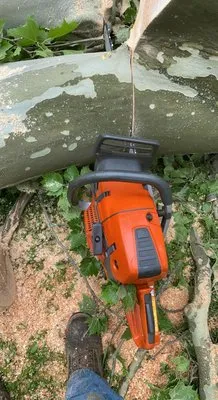
Lybarger Services is a trusted, locally-owned tree service and landscaping company serving Cortland, OH, and surrounding areas. We specialize in comprehensive solutions for common local landscaping ch...

Graftons Painting & Lawn Care is a trusted, full-service provider for Cortland homeowners. We specialize in interior and exterior painting, including detailed work on trim, molding, and walls, as well...

Bockelman's Landscaping & Garden Center
Bockelman's Landscaping & Garden Center has been a trusted part of the Cortland community since 1987, offering comprehensive landscaping solutions from their location at 2869 Youngstown Kingsville Rd....
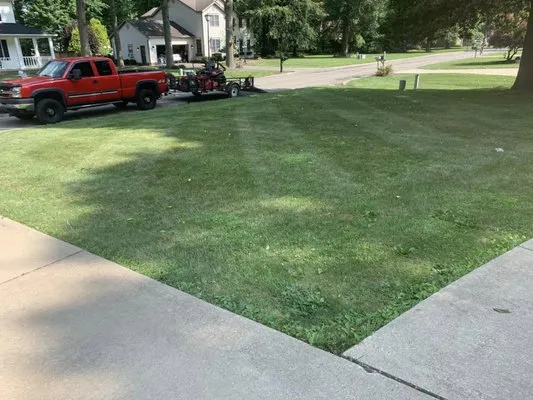
Freeman Landscaping and Snow Removal is a locally owned and operated business serving Cortland, OH, and the surrounding area. We specialize in comprehensive lawn care and reliable snow removal service...

Heatherwood Landscapes
Heatherwood Landscapes has been a trusted name in Cortland, OH, and throughout Trumbull and Mahoning Counties for over 20 years. Founded by an owner with dual degrees in Landscaping & Horticulture and...

Super Green Lawn Service is a family-owned lawn and tree care provider serving Cortland, OH, and surrounding areas since 1978. We specialize in comprehensive lawn care solutions, including our Total L...
McFarlands Lawncare is a trusted, locally-owned lawn and property care company serving Cortland, OH, and the surrounding area. We specialize in comprehensive lawn care, snow removal, and tree care ser...
Tier One Lawn Care is a dedicated landscaping service based in Cortland, OH, focused on creating and maintaining resilient, healthy lawns for local homeowners. We understand the specific challenges Co...
Dager's Landscape & Lawn Maintenance is a trusted local landscaping company serving Cortland, OH, and the surrounding communities. We specialize in comprehensive lawn care and landscape maintenance so...
Poptic's Landscaping is a trusted, locally-owned landscaping service based in Cortland, OH, dedicated to helping homeowners achieve and maintain healthy, beautiful outdoor spaces. We specialize in add...
Q&A
What solutions address poor water infiltration in my yard?
Seasonal high water tables in Mahoning-Ellsworth Silt Loam require graded swales or French drains to redirect surface flow. Permeable concrete pavers or crushed limestone hardscapes increase infiltration rates by 40-60% compared to solid surfaces. These installations must meet Cortland Zoning Department runoff standards, typically requiring 1% minimum slope away from structures. Combining subsurface drainage with amended soil profiles prevents foundation saturation during heavy precipitation.
How quickly can you respond to an emergency tree cleanup after a storm?
Emergency cleanup crews dispatch from Willow Park via SR-11, reaching Cortland City Center within 20-30 minutes during peak conditions. This response time accounts for traffic variables while ensuring HOA compliance deadlines are met. Crews prioritize safety assessments and debris removal to restore property access. Coordination with local utilities prevents service disruptions during cleanup operations.
How do I manage invasive species without violating fertilizer regulations?
Japanese knotweed and garlic mustard pose significant threats in Cortland's urban interface zones. Manual removal before seed set combined with targeted glyphosate applications during fall dormancy proves most effective. These treatments avoid phosphorus-free ordinance restrictions that apply only to established turf areas. Always coordinate applications outside of blackout dates specified for nutrient management, typically early spring through late fall.
Why does my Cortland City Center lawn struggle with compaction and poor drainage?
Properties built around 1984 have soil that has matured for approximately 42 years, developing a dense structure in Mahoning-Ellsworth Silt Loam. This soil type naturally has moderate permeability, but decades of foot traffic and conventional maintenance reduce pore space. Core aeration every 1-2 years and adding 0.25 inches of compost annually improve water infiltration and root penetration. Without these amendments, seasonal high water tables exacerbate drainage issues during spring thaws.
Are concrete pavers better than wood for patio construction?
Concrete pavers offer 25-30 year lifespans versus wood's 10-15 years in Cortland's freeze-thaw cycles. Their non-combustible nature supports low Fire Wise ratings by maintaining defensible space around structures. Properly installed with polymeric sand joints, pavers resist weed penetration and heaving. Crushed limestone bases provide stable drainage layers that exceed typical residential load requirements while allowing natural water percolation.
Should I consider replacing some lawn with native plants?
Transitioning high-maintenance turf areas to Purple Coneflower, Butterfly Milkweed, Wild Bergamot, and Little Bluestem reduces mowing frequency by 50-70%. These natives establish deep root systems that improve soil structure and require minimal irrigation after establishment. This approach aligns with evolving noise ordinance trends that may restrict gas-powered equipment. Native plantings also support local pollinator populations while reducing seasonal maintenance costs.
What permits and licenses are needed for grading my 0.35-acre lot?
The Cortland Zoning Department requires grading permits for soil movement exceeding 50 cubic yards on residential properties. Contractors must hold Ohio Department of Agriculture licensing for landscape architecture or excavation work involving significant elevation changes. Professional licensing ensures proper erosion control measures and adherence to setback requirements. Unlicensed grading can result in fines up to $5,000 and mandatory restoration orders.
Can I maintain healthy turf while conserving municipal water in Cortland?
Smart Wi-Fi soil moisture sensor controllers optimize irrigation by measuring real-time ET rates and soil conditions. These systems deliver 0.75-1 inch weekly to Kentucky Bluegrass and Tall Fescue during active growth periods, staying within standard supply limits. Programming separate zones for sun and shade exposures reduces water use by 15-20%. Regular calibration ensures controllers respond accurately to rainfall events without overwatering.
