Top Landscaping Services in College, OH, 43022 | Compare & Call
There are 193 landscaping companies server in College OH
Buena Vista Landscaping, LLC is a Springfield-based landscaping company with over 15 years of experience serving residential, commercial, and industrial clients. We approach every project with the car...
Bennett GL Tree Service
Bennett GL Tree Service is a trusted, locally-owned and operated company serving the Springfield, OH community. We provide comprehensive landscape maintenance, reliable snow removal, and expert tree c...
DnH Landscaping is a trusted, full-service provider for homeowners in Springfield, OH, specializing in both comprehensive landscaping and reliable snow removal. We understand the local challenges you ...

Jerry's Cleaning & Lawn Service in Springfield, OH, is your local partner for keeping your property looking its best. We specialize in professional auto detailing that restores your car's showroom shi...
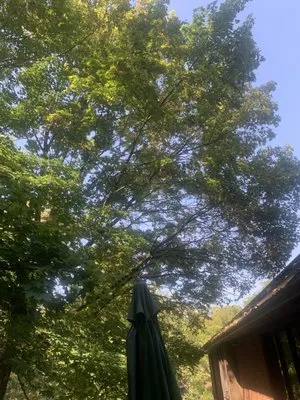
Steve's Tree Care & Property Maintenance is your trusted, local expert for keeping Springfield properties healthy and beautiful. We specialize in comprehensive tree and shrub care, from routine prunin...
Habitat Creations Of Ohio Incorporated is a trusted landscaping company serving Springfield, OH, and the surrounding areas. We specialize in addressing common local landscaping challenges, particularl...
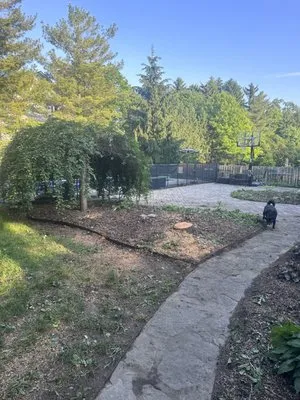
Seibert's Tree Care LLC is a family-owned and operated tree service proudly serving Springfield, Ohio, and surrounding areas. With expertise in both tree and shrub care, we provide comprehensive lands...
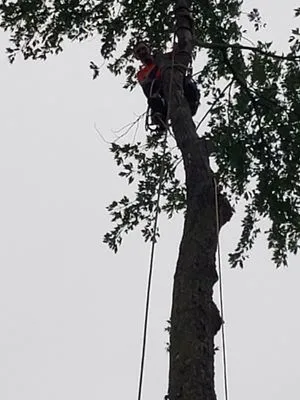
LCTH Trees and Landscaping is a Springfield family business with deep roots in the community, now in its third generation of providing expert tree and landscape care. For decades, our family has been ...
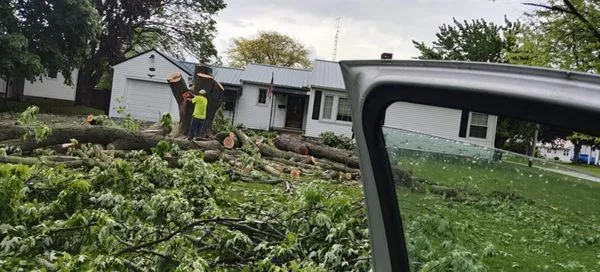
Unique Cuts And Stump Grinding is a trusted tree service and landscaping company serving Springfield, OH. We specialize in comprehensive landscape maintenance, professional lawn care, and expert tree ...
Loco Trees and Landscaping is your trusted, local partner for a healthy, beautiful property in Springfield, OH. We specialize in professional tree care and comprehensive landscape maintenance, helping...
Estimated Landscaping Service Costs in College, OH
Questions and Answers
We have seasonal ponding in our backyard. What's a long-term solution that also manages runoff?
Seasonal ponding indicates a high water table interacting with the slow permeability of Blount-Pewamo silt. A graded dry creek bed or French drain system should be installed to redirect subsurface water. For new patios or walkways, specifying permeable concrete pavers is essential. These pavers allow infiltration on-site, which often meets the City of Columbus's updated stormwater runoff standards and directly mitigates the local drainage hazard.
I've spotted what looks like Japanese Knotweed. How should I handle invasive species here?
Proper identification is the first step, as misapplication of herbicide violates local ordinances. For confirmed invasives like Japanese Knotweed or Callery Pear, a licensed applicator must use a targeted, systemic herbicide. Treatment timing is critical and must avoid blackout dates specified under the city's phosphorus-free fertilizer ordinance. Always consult the Ohio Department of Agriculture's noxious weed list and consider phased removal with native replacement plantings.
Our yard seems to get compacted quickly. Is this a soil issue specific to old homes in the University District?
Yes, this is a direct function of soil maturity and the local geology. Homes built around 1938, common here, have soils that have been settling for nearly 90 years. The prevalent Blount-Pewamo Silt Loam is prone to compaction under repeated foot and equipment traffic, reducing percolation. Core aeration in spring and fall, followed by top-dressing with compost, is critical to rebuild soil structure and counteract the natural density of this silt-heavy soil type.
Are permeable pavers a better choice than wood for a new patio, considering longevity and safety?
For longevity and low maintenance in our climate, permeable concrete pavers far exceed wood. They will not rot, warp, or require chemical treatments. Their inherent fire resistance contributes to defensible space, a consideration even with our current Low Fire Wise rating. The permeable design also addresses the core drainage issue of silt loam soils, whereas wood or solid concrete can exacerbate surface runoff and ponding problems.
A storm damaged several trees. How fast can a crew arrive for an emergency cleanup in the University District?
For a priority HOA compliance or safety-related cleanup, our dispatch from the Ohio State University Oval area allows for a 20-30 minute peak response time. The primary route utilizes I-71 northbound for rapid access to the district. Crews are equipped with electric chippers and hauling vehicles to begin work immediately upon arrival, focusing on debris clearance and hazard mitigation to secure the property.
We want to regrade our yard. What permits and contractor qualifications are required for a 0.15-acre lot?
Any significant regrading that alters water flow or involves retaining walls over two feet typically requires a permit from the City of Columbus Department of Building and Zoning Services. For this work, you must hire a contractor licensed through the Ohio Landscape Industry Association or holding appropriate classification from the Ohio Department of Agriculture. This ensures they carry the required bonding and insurance for earthwork on a property of this size, protecting you from liability for improper drainage or slope failure.
How can I keep my Kentucky Bluegrass lawn healthy during summer without violating water conservation guidelines?
Adherence to voluntary conservation is best achieved with an ET-based smart irrigation system. This technology uses local weather data to apply only the precise water lost to evapotranspiration, often reducing usage by 20-30%. Programming deep, infrequent watering cycles for your Tall Fescue blend between 4 AM and 8 AM minimizes evaporation. This method sustains turf health within municipal limits by preventing the shallow root growth caused by overwatering.
I want to reduce mowing and gas equipment noise. What are my options for this area?
Transitioning turf areas to a native plant palette is the strategic solution. Species like Purple Coneflower, Butterfly Milkweed, and Little Bluestem are adapted to Zone 6a and require no weekly mowing, fertilization, or frequent watering. This conversion significantly reduces the need for gas-powered equipment, aligning with evolving local noise ordinances targeting commercial blowers. It creates a low-maintenance, biodiverse landscape that supports pollinators.
