Top Landscaping Services in Cleves, OH, 45002 | Compare & Call

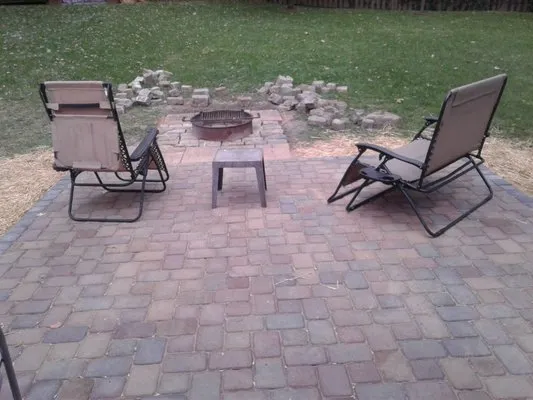
Werbrich's Landscaping
Werbrich's Landscaping has been transforming outdoor spaces in Cleves and the Greater Cincinnati area since 1997. As a local landscaping firm, we specialize in creating custom residential outdoor livi...
Since 1988, J's Mulch & Landscape Supply has been a trusted, family-owned source for landscaping materials in Cleves and the greater Cincinnati area. For over 35 years, we've built our reputation on p...
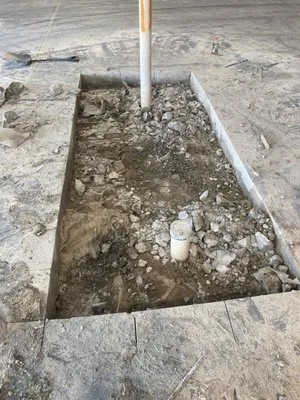
Haven Home Services is a trusted general labor crew serving Cleves, OH, and surrounding areas. We specialize in a wide range of home improvement and maintenance services, including flooring installati...
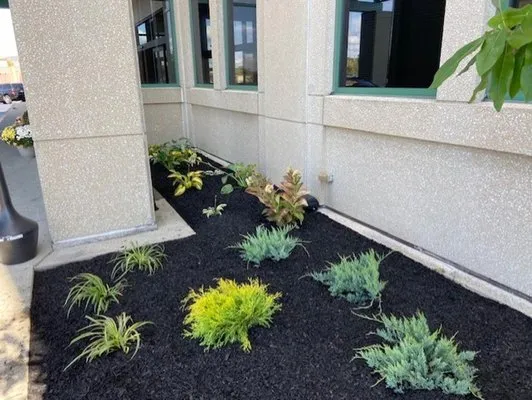
Chip's Landscaping is a full-service outdoor contractor serving Cleves and the surrounding Ohio communities. We specialize in comprehensive property care, from foundational earthmoving and landscape c...
Marik Landscape Maintenance is a trusted local landscaping company serving homeowners in Cleves, OH. We specialize in addressing common local landscaping challenges like sprinkler leaks and poor lawn ...

SmithScapes is a landscape construction company based in Cleves, OH, specializing in landscape architecture, construction, and lighting services. Founded in 2000, we provide comprehensive solutions fr...
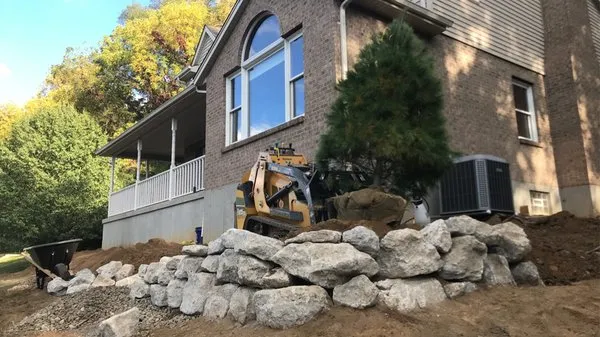
PR Outdoor Services
PR Outdoor Services is a Cleves-based landscaping company specializing in comprehensive outdoor solutions for local homeowners and businesses. We offer landscape design, greenscape planning, lawn care...
Dave Davies Landscaping is a trusted local provider serving the Cleves, OH community with reliable gardening and landscape maintenance services. We understand the specific challenges homeowners in our...
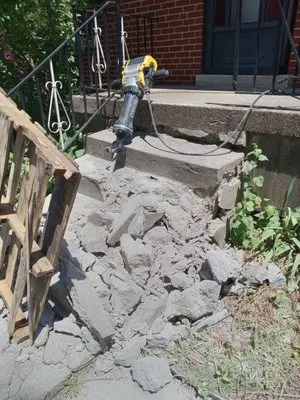
Jay's Landscaping is your trusted local expert for lawn care, masonry, and concrete in Cleves, Ohio. We understand the unique challenges homeowners face in our area, particularly with persistent lawn ...
Jeremiah Can Do It is a trusted, full-service operation serving Cleves, OH, dedicated to keeping your property clean, green, and functional. We specialize in the specific challenges local homeowners f...
Question Answers
What solutions address poor drainage in Cleves' glacial till soil?
Glacial till creates high runoff conditions in silty clay loam soils common throughout Cleves. Permeable clay pavers installed with proper base materials achieve 40-50% infiltration rates, meeting Village of Cleves Planning & Zoning Department runoff standards. French drains with clean gravel and geotextile fabric provide subsurface drainage paths. Grading adjustments of 1-2% slope direct water away from foundations while preserving soil structure and preventing erosion.
Are permeable clay pavers better than wood for Cleves patios?
Permeable clay pavers offer 25+ year durability in USDA Zone 6b, outperforming wood's 10-15 year lifespan with minimal maintenance. Their natural thermal mass moderates temperature extremes while the permeability reduces runoff by 40-60%. In Cleves' low fire-wise rating urban-suburban interface, non-combustible hardscape materials create defensible space without requiring chemical treatments. Proper installation with joint sand allows for root growth and water movement while maintaining structural integrity.
Why does my Cleves Historic District lawn struggle with compaction and drainage issues?
Cleves lots in the Historic District average 59 years of development since 1967, leading to mature silty clay loam soil with reduced permeability. This soil type naturally compacts over decades, restricting root growth and water infiltration. Core aeration with organic amendments like composted leaf mold improves soil structure by increasing pore space. Regular soil testing maintains the optimal pH range of 6.5-7.2 for nutrient availability in established landscapes.
How quickly can you respond to storm damage for HOA compliance in Cleves?
Emergency cleanup crews dispatch from Cleves Community Park via US-50, arriving within 20-30 minutes during peak response windows. This routing minimizes travel through residential areas while addressing urgent issues like fallen branches or drainage blockages. Standard noise limits of 7am-9pm guide equipment operation timing. Immediate debris removal prevents secondary damage and maintains neighborhood safety standards during severe weather events.
What permits and licenses are needed for grading work on my Cleves property?
Grading projects on 0.22-acre lots in Cleves require Village of Cleves Planning & Zoning Department permits for any significant earth movement. The Ohio Department of Agriculture Landscape Architect Board licenses professionals for designs involving drainage modifications or retaining walls over 24 inches. Licensed contractors ensure proper erosion control measures and compliance with state phosphorus application restrictions. Documentation of final grade elevations and drainage patterns must be submitted for approval before project completion.
Can I reduce maintenance while supporting local ecology in my Cleves yard?
Replacing high-input turf with native plantings like Eastern Redbud, Purple Coneflower, Butterfly Milkweed, and Little Bluestem creates resilient landscapes. These species require minimal irrigation once established and support pollinator populations year-round. Transitioning to electric maintenance equipment anticipates future noise ordinance refinements while reducing carbon emissions. Strategic planting designs incorporate existing trees and topography to maximize ecological function on 0.22-acre lots.
How do smart irrigation systems work with Cleves' water regulations?
Wi-Fi ET-based weather sensing irrigation calculates evapotranspiration rates to deliver precise water volumes matching plant needs. This technology maintains Kentucky Bluegrass and Tall Fuestre blends while operating within normal municipal water limits. The system automatically adjusts for rainfall and humidity, typically reducing water use by 20-30% compared to traditional timers. Regular calibration ensures optimal performance without violating any current water restrictions in the Village of Cleves.
How do I manage invasive species without violating fertilizer regulations?
Early detection of invasive species like Japanese knotweed or garlic mustard prevents establishment in Cleves' silty clay loam. Manual removal during dry periods minimizes soil disturbance and regrowth. Ohio's phosphorus application restrictions for non-agricultural land require careful timing of any soil amendments—typically early spring or fall outside blackout dates. Targeted organic treatments like horticultural vinegar for weeds preserve soil microbiology while complying with state regulations.
