Top Landscaping Services in Cleveland, OH, 44101 | Compare & Call
There are 222 landscaping companies server in Cleveland OH

Dicillo Landscape Design
Dicillo Landscape Design is a family-operated business that has been a cornerstone of northeast Ohio's landscaping community for over a century. Based in Mayfield Heights, we bring generations of expe...
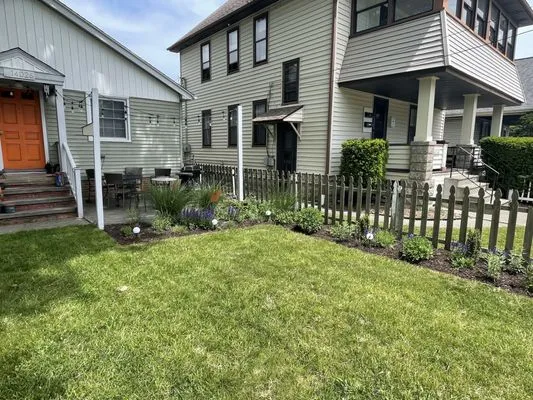
Pappas & Co Landscaping was founded in 2022 by an owner with over two decades of experience in the industry, beginning his career with Grounds by Coffey. His passion for creating and maintaining beaut...
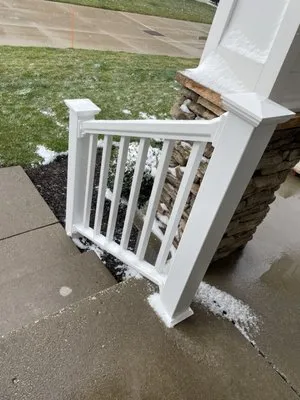
Since 1996, Avery Enterprise has been a trusted, family-owned construction and landscaping company serving Stow and the surrounding communities. Founded by Matt Avery and now operated alongside his so...
Shannon Landscaping & Snow Plowing is a trusted Cleveland, OH, business providing comprehensive landscaping and snow removal services. We specialize in addressing common local yard issues like drainag...

Keep Right Landscaping is a locally owned and operated landscaping company serving Cleveland Heights, Shaker Heights, Beachwood, and University Heights since 2000. Our team provides comprehensive, yea...
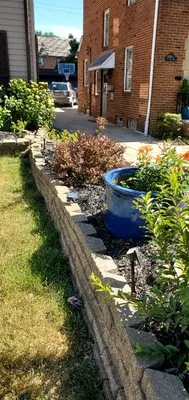
G & S Landscaping is a trusted Cleveland landscaping company helping homeowners solve common local yard challenges. We specialize in correcting yard drainage issues and optimizing sprinkler coverage t...
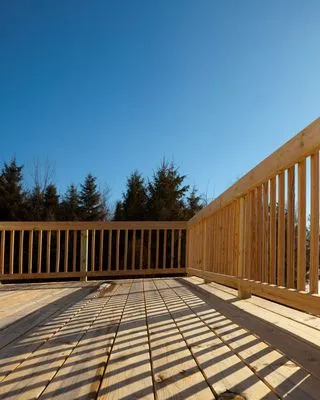
C & M Landscaping has been a trusted landscaping partner for Avon Lake, OH, and surrounding communities since 2014. As a licensed, bonded, and insured company, we specialize in comprehensive outdoor s...
Propa Landscaping is a Cleveland-based landscaping company dedicated to keeping local properties healthy and resilient. We specialize in addressing the common challenges faced by Northeast Ohio homeow...

The Everarbor Company is a trusted, locally-owned outdoor lifestyle company serving Lakewood since 2015. Founded on principles of conservation and sustainable practice, Everarbor provides comprehensiv...
For over 25 years, Best Landscapers in Cleveland has been transforming outdoor spaces with dedication and care. We treat every project as if it were our own, a philosophy that has earned us a 4.9-star...
Estimated Landscaping Service Costs in Cleveland, OH
Q&A
What alternatives exist for reducing weekly mowing and gas-powered equipment usage in my landscape?
Transitioning sections of high-maintenance turf to native plantings like Purple Coneflower, Butterfly Milkweed, Wild Bergamot, and Little Bluestem creates resilient, low-input landscapes. These species require minimal watering once established and eliminate weekly mowing demands. This approach reduces noise pollution ahead of potential tightening of gas-blower restrictions and supports local pollinator populations. Native plant communities also improve soil health through deeper root systems that break up clay compaction naturally.
What permits and licensing are required for regrading my 0.15-acre property in Cleveland?
Grading work on 0.15-acre lots typically requires a permit from the Cleveland Department of Building and Housing when altering more than 50 cubic yards of soil or changing drainage patterns. Contractors must hold appropriate licensing through the Ohio Department of Agriculture for pesticide application if treating soil during the process. Professional landscape architects or engineers should design significant grade changes to prevent drainage issues with neighboring properties. These requirements ensure compliance with municipal runoff standards and protect against liability from improper water management.
How can I maintain my Kentucky Bluegrass and Tall Fescue blend without exceeding municipal water guidelines?
Wi-Fi ET-based weather sensing irrigation systems calculate evapotranspiration rates specific to Cleveland's USDA Zone 6b climate. These systems automatically adjust watering schedules based on real-time weather data, soil moisture sensors, and plant water requirements. This technology typically reduces water usage by 20-30% compared to traditional timer-based systems while preserving turf health. Even without formal water restrictions, this approach aligns with EPA WaterSense guidelines and prevents overwatering that exacerbates clay compaction issues.
How should I address invasive species like Japanese knotweed or garlic mustard without violating fertilizer regulations?
Invasive species management requires timing mechanical removal before seed set and using targeted organic treatments. For Cleveland's common invasives, manual extraction during early growth stages proves most effective. Any soil amendments must comply with Ohio's phosphorus application restrictions, which prohibit phosphorus-containing fertilizers unless soil tests demonstrate deficiency. We recommend soil testing through the Ohio Department of Agriculture to determine actual nutrient needs before applying any amendments, avoiding both ordinance violations and unnecessary chemical inputs.
Are permeable clay pavers more durable than wood decking for Cleveland's climate conditions?
Permeable clay pavers typically last 25+ years with minimal maintenance, compared to wood's 10-15 year lifespan requiring regular sealing and replacement. Clay's freeze-thaw resistance makes it ideal for Cleveland's Zone 6b winters, while its permeability manages water runoff effectively. Though Cleveland has a low Firewise rating as an urban setting, clay pavers provide non-combustible defensible space that exceeds wood's performance in high-risk zones. Their thermal mass also moderates surface temperatures better than wood or composite materials.
How quickly can you respond to an emergency storm cleanup that violates HOA compliance standards?
Our emergency response team can typically reach Shaker Square properties within 25-35 minutes during peak conditions. We dispatch from our central location near the Cleveland Museum of Art, taking I-90 eastbound for efficient access. This rapid response window accounts for traffic variables while ensuring compliance with Cleveland's restricted hours for gas-powered equipment (7 AM to 9 PM). We maintain electric maintenance fleets specifically for noise-sensitive emergency situations that fall outside standard service windows.
What solutions exist for yards that become waterlogged during spring thaws and heavy rains?
Seasonal saturation in Cleveland's silty clay loam requires integrated drainage strategies. Permeable clay pavers installed with proper base materials allow 4-8 inches per hour of water infiltration, significantly reducing surface runoff. These systems work with French drains and dry creek beds to redirect water away from foundations. The Cleveland Department of Building and Housing requires permeable solutions that manage the first 1.5 inches of rainfall on-site, which these pavers achieve while preventing soil erosion and foundation damage.
Why does my Shaker Square lawn have such dense, slow-draining soil that seems to resist water and nutrients?
Cleveland's Shaker Square neighborhood features homes built around 1943, giving the soil approximately 83 years of maturation. This extended timeline has allowed the slightly acidic silty clay loam (pH 6.2-6.8) to develop significant compaction layers from decades of foot traffic and traditional maintenance. The clay particles in this soil type naturally bind tightly, reducing permeability and creating seasonal saturation issues. Core aeration combined with organic amendments like composted leaf mold can improve soil structure by increasing pore space and microbial activity.
