Top Landscaping Services in Cleveland Heights, OH, 44106 | Compare & Call
There are 185 landscaping companies server in Cleveland Heights OH
RL Lawn Care is a trusted landscaping company serving Parma, OH homeowners with reliable solutions for common local lawn problems. We specialize in addressing issues like moss growth in lawns and spri...
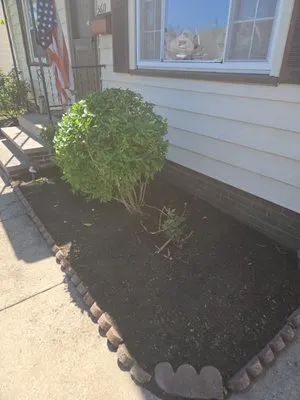
Los Brothers Landscaping is a Cleveland-based landscaping company founded by Angel, who brings over 39 locations of experience from starting with just one lawn in Puerto Rico. Angel's journey began wh...
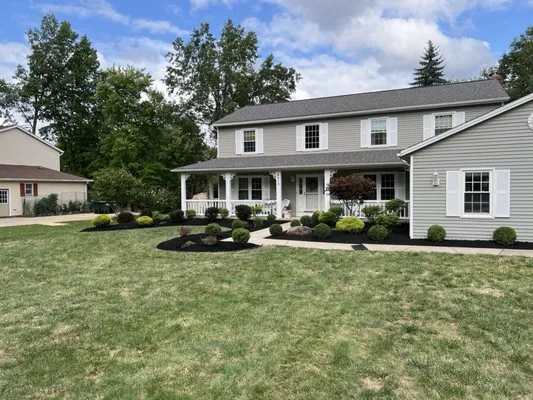
Jake's Landscapes, based in Parma, OH, is a locally-owned residential and commercial landscaping company founded in 2016. We focus on creating beautiful, healthy outdoor spaces that add value to your ...

CLE Landscaping Co. was founded in 2014 by South Euclid native Bob Petrovic. A lifelong Cleveland-area resident with a background in business, Bob spent five years apprenticing under industry experts ...
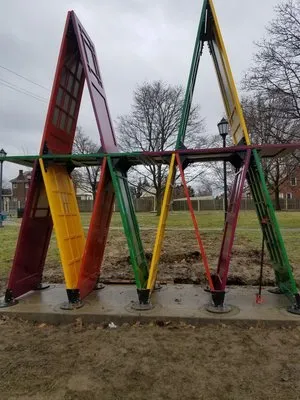
Dicillo Landscape Design
Dicillo Landscape Design is a family-operated business that has been a cornerstone of northeast Ohio's landscaping community for over a century. Based in Mayfield Heights, we bring generations of expe...

Keep Right Landscaping is a locally owned and operated landscaping company serving Cleveland Heights, Shaker Heights, Beachwood, and University Heights since 2000. Our team provides comprehensive, yea...
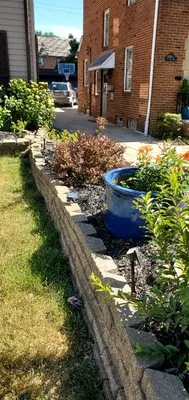
G & S Landscaping is a trusted Cleveland landscaping company helping homeowners solve common local yard challenges. We specialize in correcting yard drainage issues and optimizing sprinkler coverage t...

The Everarbor Company is a trusted, locally-owned outdoor lifestyle company serving Lakewood since 2015. Founded on principles of conservation and sustainable practice, Everarbor provides comprehensiv...
For over 25 years, Best Landscapers in Cleveland has been transforming outdoor spaces with dedication and care. We treat every project as if it were our own, a philosophy that has earned us a 4.9-star...
Sure Cut Landscaping
Sure Cut Landscaping is a family-owned and operated business serving Cleveland's West Side since 2000. Founder Tim Dubaniewicz started the company with a deep passion for landscaping, and that commitm...
Estimated Landscaping Service Costs in Cleveland Heights, OH
Questions and Answers
How should I manage invasive species without violating phosphorus application restrictions?
Early detection of invasive species like garlic mustard or Japanese knotweed allows targeted treatment before they establish extensive root systems. Manual removal during specific growth stages proves most effective, particularly before seed set in late spring. For chemical control, select herbicides with no phosphorus content to comply with statewide restrictions on established lawns. Application timing avoids blackout dates typically in early spring and fall when runoff risks are highest. Integrating competitive native plants like Butterfly Milkweed and New England Aster creates ecological resistance against future invasions.
What solutions prevent basement saturation in yards with high clay content soil?
High clay content in silty clay loam creates poor permeability, leading to surface ponding and potential basement saturation during heavy rains. Installing French drains with clean gravel and perforated pipe redirects groundwater away from foundations. Permeable sandstone pavers in patios and walkways allow 30-50% of rainfall to infiltrate naturally, meeting Cleveland Heights Planning Department runoff standards. Grading soil to create a 2% slope away from structures, combined with rain gardens planted with moisture-tolerant natives, manages stormwater effectively without municipal drainage systems.
What permits and licenses are required for grading work on a typical 0.15-acre Cleveland Heights lot?
The Cleveland Heights Planning Department requires grading permits for any excavation altering more than 100 cubic yards of soil or changing drainage patterns. Contractors must hold Ohio Department of Agriculture licensing for commercial landscaping, ensuring proper erosion control during earth-moving operations. On 0.15-acre lots, even minor grading can trigger permit requirements if it affects stormwater management or property boundaries. Professional licensing verifies competency in soil mechanics and local ordinance compliance, particularly important in neighborhoods with mature infrastructure where improper grading can damage century-old drainage systems.
Why does my Fairmount-Cedar yard have such dense, heavy soil that makes planting difficult?
Cleveland Heights homes built around 1938 have soil that has matured for 88 years, developing the characteristic slightly acidic silty clay loam common in this neighborhood. This soil type forms from decades of compaction and organic matter decomposition, resulting in poor permeability that restricts root growth. Core aeration combined with organic amendments like composted leaf mold improves soil structure by increasing pore space and microbial activity. Regular soil testing every 2-3 years helps maintain the optimal pH range of 6.2-6.8 for most landscape plants.
How can I maintain healthy Kentucky Bluegrass and Tall Fescue while following water conservation guidelines?
Smart Wi-Fi soil moisture sensors optimize irrigation by delivering water only when the root zone reaches specific dryness thresholds, typically 30-50% of field capacity. These controllers use evapotranspiration data to adjust schedules automatically, reducing water use by 20-40% compared to traditional timers. For Cleveland Heights' slightly acidic silty clay loam, deep, infrequent watering encourages deeper root systems that better withstand drought stress. Weekly monitoring during May-October growing season ensures your turf receives 1-1.5 inches weekly, distributed across 2-3 watering events to minimize runoff.
What low-maintenance alternatives exist for high-water-use turf grass in residential landscapes?
Replacing traditional turf with native plant communities featuring Purple Coneflower, Wild Bergamot, and Little Bluestem reduces water needs by 70-80% while supporting local pollinators. These deep-rooted perennials thrive in Cleveland Heights' Zone 6b climate without chemical inputs, creating self-sustaining ecosystems. Transitioning to electric maintenance equipment aligns with noise ordinance restrictions on gas-powered blowers while eliminating fossil fuel emissions. A phased conversion approach allows soil microbiome adjustment over 2-3 growing seasons, ensuring successful establishment of drought-resistant plantings.
How quickly can you respond to an emergency tree cleanup after a storm in Cleveland Heights?
Our electric maintenance fleet can dispatch from Cain Park within 15 minutes, taking I-90 eastbound to reach most Fairmount-Cedar locations in 20-30 minutes during peak conditions. This rapid response time meets HOA compliance deadlines while operating within the 7:00 AM to 9:00 PM noise ordinance for equipment use. We prioritize safety assessments before cleanup, ensuring damaged trees don't pose immediate hazards to structures or pedestrians. Our battery-powered chainsaws and chippers produce minimal noise pollution compared to traditional gas equipment.
Why choose sandstone pavers over wood for patios and walkways in Cleveland Heights?
Sandstone pavers offer superior longevity with 50+ year lifespans compared to wood's 15-25 years, requiring minimal maintenance in Cleveland Heights' freeze-thaw cycles. Their natural permeability reduces stormwater runoff by 40-60% compared to concrete, important for managing the area's clay-rich soils. In urban residential settings with low Firewise ratings, non-combustible stone materials provide defensible space without contributing to fire spread. Proper installation with polymeric sand joints prevents weed growth while allowing thermal expansion, maintaining structural integrity through seasonal temperature fluctuations.
