Top Landscaping Services in Charlestown, OH, 44266 | Compare & Call
There are 178 landscaping companies server in Charlestown OH
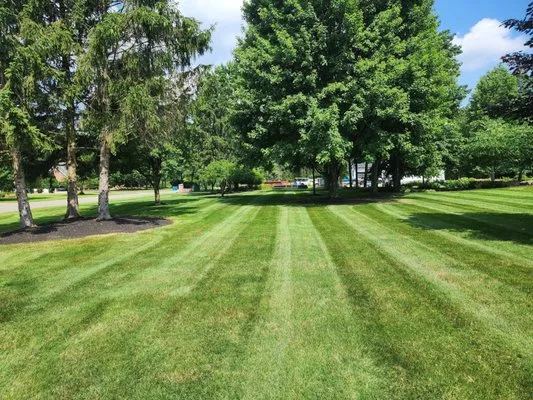
For over 11 years, the team at Lawn Legends Lawn Care has worked together, bringing that shared experience directly to lawns and landscapes across Burghill. We're a locally owned business passionate a...
Good News Lawn Care is a family-owned and operated lawn service in Ravenna, OH, run by a dedicated team of three—dad, mom, and son. We take pride in treating every lawn as if it were our own, combinin...
McComas Landscaping is your trusted Wadsworth neighbor for transforming challenging outdoor spaces. We specialize in diagnosing and solving common local lawn and grading problems, like poor drainage t...
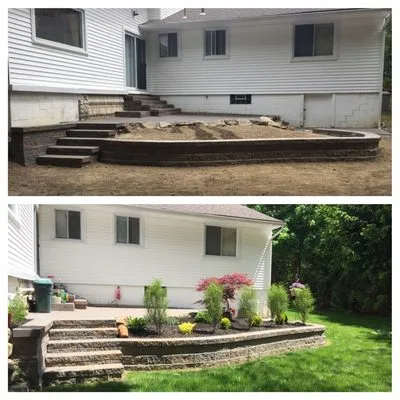
Stanley Lawn and Landscape in Boardman, OH, is a locally owned and operated business dedicated to enhancing and maintaining residential outdoor spaces. We provide a comprehensive range of services tai...
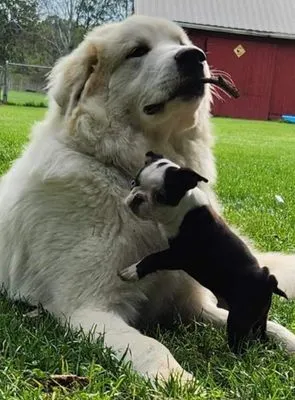
Yard Dawgs Lawn Care is a trusted local provider of comprehensive lawn and tree services in Rootstown, OH. Specializing in lawn care, tree planting, pruning, removal, and insect management, they help ...

Helping Hands Property Maintenance is a family-owned company in Ashtabula, OH, founded to provide reliable and affordable property care for both residential and commercial clients. We specialize in la...
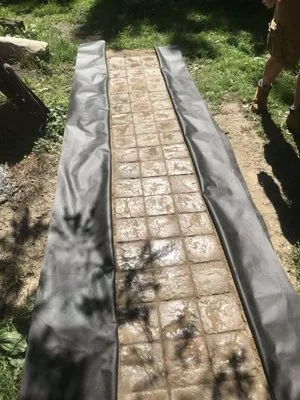
Wyatt Landscaping, founded and operated by Chris Wyatt in Madison, OH, brings a blend of formal education and hands-on experience to every project. Chris began his landscaping journey at age 15, earni...

Flanders & Sons is a trusted, family-owned lawn care and snow removal service proudly serving Ashtabula and the surrounding communities. We understand the unique challenges of maintaining a property i...
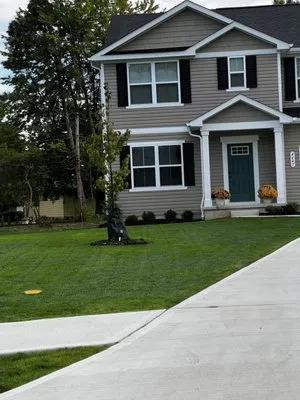
On the Other Side
On the Other Side is your trusted, full-service partner for maintaining a healthy and beautiful property in Chagrin Falls, OH. We specialize in comprehensive lawn care, professional pest and tick exte...
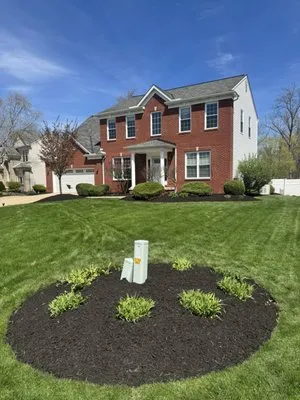
Mulch Man is a Northfield, OH-based landscaping company offering comprehensive outdoor solutions for residential and commercial properties. With services ranging from earthmoving and driveway construc...
Estimated Landscaping Service Costs in Charlestown, OH
Q&A
Is it possible to have a healthy lawn under Stage 1 water conservation rules?
Yes, modern Wi-Fi ET-based weather-sensing irrigation systems are designed for this precise challenge. These controllers adjust watering schedules in real-time based on local evapotranspiration data, applying moisture only when your Kentucky Bluegrass and Tall Fescue blend truly needs it. This technology maximizes water use efficiency, maintaining turf health while adhering to Charlestown's voluntary conservation standards and preserving municipal water resources.
Why does my soil seem so compacted and tired compared to newer neighborhoods?
Properties in the Charlestown Historic District, with an average build year of 1974, have soil systems over 50 years old. This slightly acidic silt loam has undergone decades of settling and compaction from standard maintenance, reducing its percolation rate. To restore health, core aeration and the addition of organic compost are critical to improve oxygen flow and support microbial life, directly addressing the seasonal saturation noted in the area.
How should I deal with invasive weeds without harming my lawn?
Effective treatment begins with precise identification, as methods differ for grassy versus broadleaf invasives. All control strategies must comply with the local ordinance requiring phosphorus-free fertilizer unless a soil test confirms a deficiency. We employ targeted, organic-preferred herbicides during optimal growth phases and reinforce treated areas with dense plantings of natives like Swamp Milkweed to outcompete future weeds and improve soil structure.
My yard holds water in the spring. What's a long-term solution?
Moderate runoff in silt loam soils is a common permeability issue. Integrating permeable clay pavers for patios or walkways creates a subsurface reservoir, allowing water to infiltrate slowly rather than sheet off. This approach directly mitigates seasonal saturation and can help property grading plans meet the Charlestown Department of Planning and Zoning's updated stormwater management standards for reducing impervious surface runoff.
How quickly can you respond for an urgent HOA compliance or storm cleanup?
For emergency service calls, our dispatch from the Charlestown Town Square allows for a 25-35 minute peak response time. The primary route utilizes I-76 for efficient access throughout the district. Our transition to a primarily electric maintenance fleet ensures we can operate within the local noise ordinance hours, starting at 8 AM, without delay for necessary compliance or safety cleanups.
Are permeable clay pavers a better choice than wood decking?
For longevity and low maintenance in Zone 6a, permeable clay pavers are superior. They resist frost heave, do not rot or splinter, and their installation supports proper site drainage. In the context of Charlestown's Moderate Firewise rating, these pavers also contribute to defensible space as a non-combustible material, enhancing property safety compared to wooden structures which require regular chemical treatments.
Why is professional licensing important for grading and drainage work?
Altering the grade on a 0.22-acre lot impacts stormwater flow and adjacent properties, work regulated by the Charlestown Department of Planning and Zoning. A licensed professional, credentialed through the Ohio Landscape Architects Board, ensures designs meet engineering and environmental codes. This licensing guarantees competency in soil mechanics and hydrology, preventing costly violations or property damage from improper earth movement.
What are the benefits of moving away from a traditional high-maintenance lawn?
Transitioning sections of turf to a planting of native species like Purple Coneflower, Wild Bergamot, and Little Bluestem significantly reduces water, fertilizer, and mowing demands. This xeriscaping principle creates a resilient, biodiverse habitat that supports local pollinators. It also future-proofs your landscape against increasing restrictions on gas-powered equipment and aligns with broader ecological goals for the region.
