Top Landscaping Services in Champion Heights, OH, 44481 | Compare & Call
There are 154 landscaping companies server in Champion Heights OH
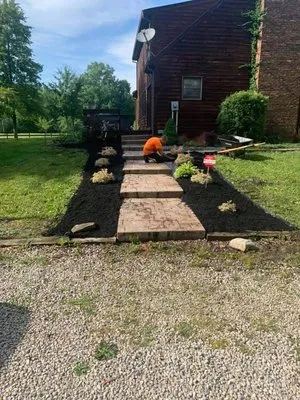
Keen Landscaping and Lawn Care is your trusted, local partner for a healthier, more beautiful property in Warren, OH. We understand the common frustrations homeowners face, like patchy sprinkler cover...
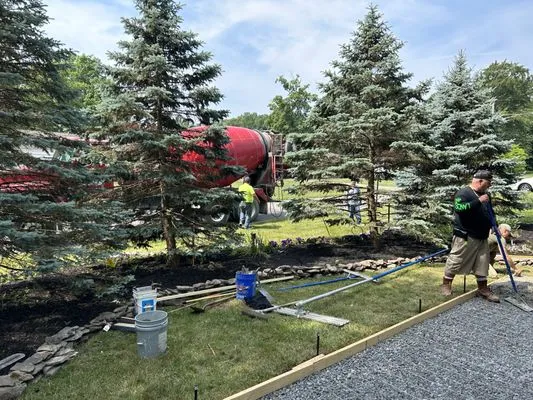
Pate's Landscaping and Construction is a full-service contractor serving Warren, OH, and the surrounding areas. We help homeowners transform their properties with expert solutions for both landscaping...
K & M Lawn Care is a trusted landscaping company serving Warren, OH homeowners. We specialize in addressing common local issues like poor lawn grading and soil compaction, which can lead to drainage p...
R and M Lawn Care is a trusted local lawn service provider dedicated to keeping Warren, OH, properties looking their best. We understand the unique challenges homeowners in our area face, from poor la...
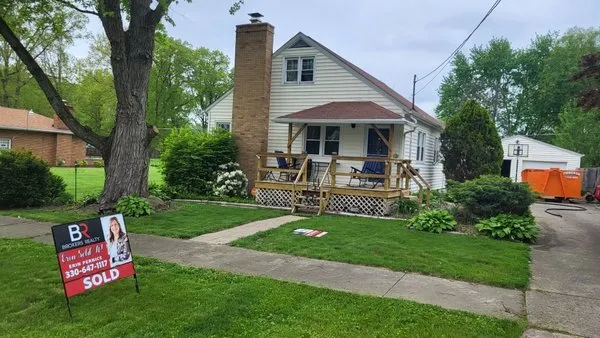
Logan Lawn Care is a trusted lawn service provider serving homeowners in Warren, OH. We specialize in comprehensive lawn care solutions designed to address common local landscaping challenges, such as...
R.L. Landscaping is a trusted local business in Warren, OH, dedicated to solving common residential lawn and garden problems. We understand that many homes in the area struggle with issues like soil c...
Gugliotta Landscape is a trusted, locally-owned landscaping company serving homeowners throughout Warren, OH. Our certified and vetted professional crew is dedicated to providing efficient, reliable s...
Super Green Lawn Service is a family-owned lawn and tree care provider serving Cortland, OH, and surrounding areas since 1978. We specialize in comprehensive lawn care solutions, including our Total L...
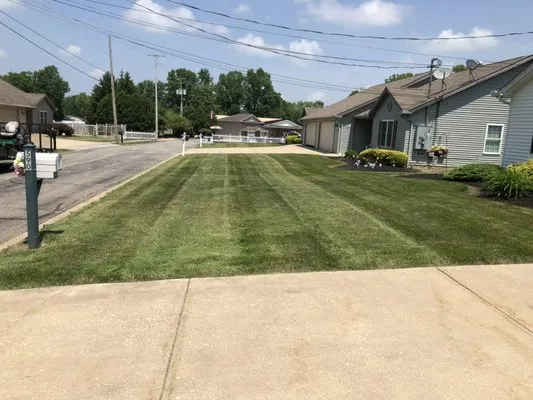
Lawn Care Solutions is your dedicated Hubbard lawn care provider, addressing the common local landscaping challenges homeowners face, such as bare lawn patches and sprinkler leaks. We understand that ...
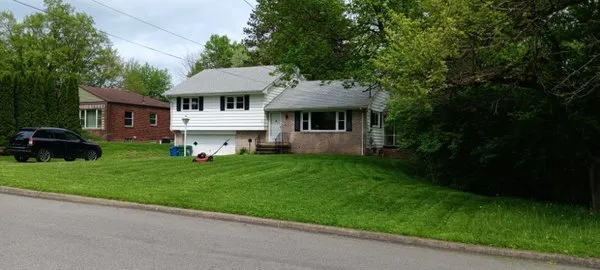
Baldwin's Lawn Care Services is a trusted local provider in Warren, OH, specializing in comprehensive lawn, tree, and property maintenance. With deep roots in the community, we understand the specific...
Estimated Landscaping Service Costs in Champion Heights, OH
Frequently Asked Questions
Why does the soil in our yards seem so compacted and tired?
Champion Heights homes were primarily built in 1964, resulting in roughly 62 years of soil maturation. The Mahoning-Ellsworth silt loam common here has a favorable pH but is prone to compaction from decades of foot traffic and conventional maintenance. This compaction reduces permeability and oxygen availability to roots. Core aeration paired with organic compost amendments is essential to restore soil structure and biological activity for long-term plant health.
What are low-maintenance alternatives to our high-input lawn?
Transitioning turf areas to a xeriscape of native species like Little Bluestem, Wild Bergamot, and New England Aster drastically reduces water, fertilizer, and mowing demands. These plants are adapted to local pH and climate, supporting 2026 biodiversity targets for pollinators. This shift also future-proofs your landscape against potential noise ordinance changes restricting gas-powered blowers and mowers, moving toward quieter electric maintenance.
How do we keep our lawn green during summer without wasting water?
Despite voluntary conservation status, efficient water use is critical. Smart Wi-Fi soil-moisture sensing controllers are calibrated to the evapotranspiration (ET) rate for Zone 6a. These devices irrigate only when the Kentucky Bluegrass and Tall Fescue blend root zone requires it, preventing overwatering that exacerbates our high water table. This technology typically reduces potable water use by 20-40% while maintaining turf viability through peak heat.
What permits and credentials are needed for regrading our yard?
Regrading a 0.35-acre lot that affects drainage patterns typically requires a permit from the Trumbull County Planning Commission. The contractor must hold appropriate licensing, such as the Ohio Department of Agriculture's Landscape Nursery Stock Dealer license, which covers installation. This ensures they are bonded and knowledgeable about state horticulture standards, protecting you from liability related to improper grading that could impact neighboring properties or municipal systems.
Are concrete pavers a better choice than wood for a new patio?
For longevity and minimal maintenance in Zone 6a, concrete pavers outperform wood. They resist frost heave and decay, with a lifespan exceeding 25 years with proper installation. Using pavers or crushed limestone also supports a low Fire Wise rating by creating non-combustible, defensible space immediately around the home, a consideration becoming more relevant in residential landscape planning.
How quickly can you respond to a storm-damage emergency to meet HOA compliance deadlines?
For emergency storm cleanup, our standard dispatch routes from the Champion Local Schools Campus via OH-82 to the Champion Heights Residential District. This allows for a 25-35 minute peak response time. We prioritize securing hazardous limbs and clearing driveways first to restore access and safety, followed by systematic debris removal to meet typical 72-hour HOA compliance windows for post-storm conditions.
Our yard stays soggy for days after rain. What's the solution?
Seasonal saturated soils are a known hazard with Mahoning-Ellsworth silt loam due to its moderate percolation rate. Solutions include installing French drains or dry wells to intercept groundwater. For hardscape areas, specifying permeable concrete pavers or open-graded crushed limestone bases can significantly increase surface infiltration, often meeting Trumbull County Planning Commission stormwater runoff standards for residential retrofits.
What invasive species should we watch for, and how are they treated?
Common invasive alerts include Japanese Knotweed and Garlic Mustard, which outcompete natives. Treatment involves targeted manual removal or approved herbicide applications during active growth phases. All treatments are scheduled to strictly avoid the state-mandated blackout periods for nitrogen and phosphorus applications on frozen ground to protect watersheds. A long-term strategy focuses on cultivating dense native plantings to resist reinvasion.
