Top Landscaping Services in Centerburg, OH, 43011 | Compare & Call

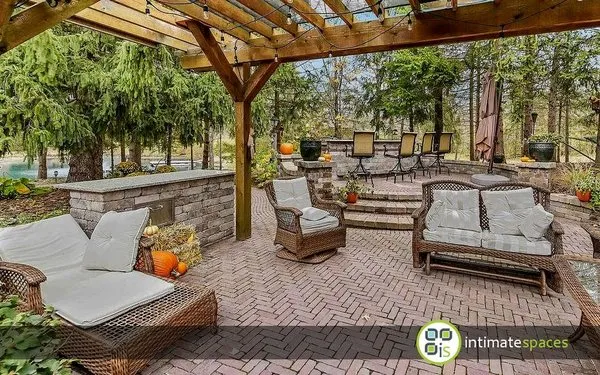
Intimate Spaces is a Centerburg-based home improvement and landscaping company focused on crafting personalized environments. We specialize in blending interior renovations like kitchen and bath remod...
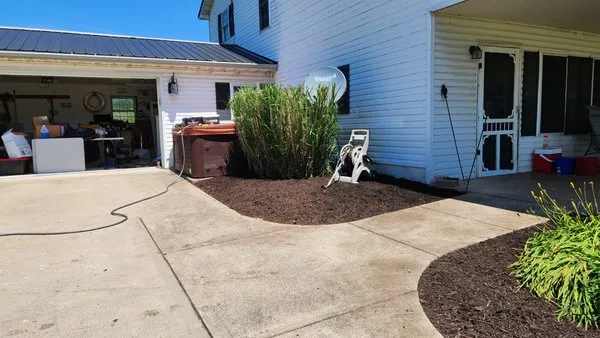
L&M Lawncare is a minority and woman-owned landscaping business proudly serving Centerburg, OH, and the surrounding areas. Founded in May 2025 by owner Lilliana Pedraza, we bring a hands-on, personal ...
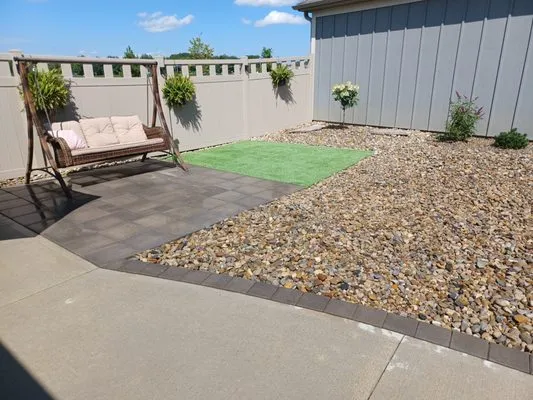
Henson Family Construction is a trusted, family-run business serving Centerburg and the surrounding communities. We specialize in transforming outdoor spaces and maintaining the integrity of your home...
Heringer Landscaping & Lawn Care is a family-owned business serving Centerburg, OH, since 2003. Owner Matt Heringer brings over a decade of specialized experience from golf course maintenance and grow...

Hill Land Management, LLC is a locally owned and operated landscaping company serving Centerburg, OH, and the surrounding communities. With a focus on practical, sustainable solutions, we specialize i...

Elysian All In 1 is your trusted local provider in Centerburg, OH, offering comprehensive auto detailing and lawn services to keep both your vehicles and property in pristine condition. For auto care,...
Powelson’s Landscaping and Mulching is a trusted, family-owned lawn and gutter service provider in Centerburg, OH. For years, we've helped local homeowners maintain healthy, beautiful properties by ta...
Goulter Construction has been a trusted name in Centerburg, OH, for years, bringing expertise to both indoor and outdoor projects. We specialize in interior remodeling, including kitchens and bathroom...
Procare Land Management is a family-owned landscaping service based in Centerburg, OH, dedicated to enhancing outdoor spaces for both residential and commercial clients. They offer a comprehensive ran...
Common Questions
What solutions exist for moderate waterlogging in my yard with clay subsoil?
Seasonal waterlogging in silt loam soils with clay subsoil requires integrated drainage strategies. Installing French drains or dry wells improves subsurface flow, while permeable hardscapes like crushed limestone or concrete pavers enhance surface permeability. These materials meet Centerburg Village Zoning Department runoff standards by reducing impervious surfaces. Combining these with soil amendments addresses the root cause, mitigating pooling and protecting landscape integrity.
How quickly can you respond to an emergency tree cleanup after a storm in Centerburg?
For emergency cleanup or HOA compliance needs, our dispatch from Memorial Park via US-36 allows arrival within 20-30 minutes during peak conditions. This route optimizes access to the Centerburg Historic District while adhering to noise ordinance hours (9:00 PM - 7:00 AM). We prioritize electric equipment where feasible to minimize disruption, ensuring rapid response without violating local regulations, even during high-demand periods like storm events.
Do I need permits or licensed professionals for grading work on my 0.35-acre lot in Centerburg?
Grading on a 0.35-acre lot in Centerburg typically requires permits from the Centerburg Village Zoning Department to ensure compliance with erosion and runoff standards. The Ohio Department of Agriculture mandates licensing for professionals handling soil movement or pesticide application, safeguarding against improper practices. Hiring licensed contractors ensures work meets legal and ecological guidelines, preventing issues like soil compaction or waterway contamination on smaller properties.
What invasive species should I watch for in Centerburg, and how do I manage them safely?
Common invasive risks in Ohio include garlic mustard and Japanese knotweed, which can outcompete natives. Treatment involves manual removal or targeted herbicides, applied carefully to avoid phosphorus runoff, per local fertilizer ordinances. Timing interventions outside blackout dates and using soil tests to guide nutrient applications prevents violations. Regular monitoring and early action protect native plantings and soil health without disrupting ecological balance.
How can I maintain a healthy Kentucky Bluegrass and Tall Fescue lawn in Centerburg without wasting water?
Despite Stage 0 water restrictions in Centerburg, efficient irrigation is critical for turf health. Smart Wi-Fi soil moisture sensors optimize watering by tracking real-time ET rates and soil conditions, preventing over-irrigation. This technology adjusts schedules based on actual need, conserving municipal water while supporting the blend's growth. Regular calibration ensures sensors align with silt loam characteristics, maintaining turf vigor within sustainable limits.
Is replacing traditional turf with native plants practical for reducing maintenance in Centerburg?
Transitioning high-maintenance turf to native species like Purple Coneflower, Butterfly Milkweed, Wild Bergamot, and Little Bluestem offers ecological and practical benefits. These plants adapt to USDA Zone 6a conditions, requiring less water and no gas-powered blowers, aligning with evolving noise ordinances. This shift supports 2026 biodiversity standards, reduces carbon emissions from maintenance fleets, and creates resilient, low-input landscapes that thrive in Centerburg's climate.
Are concrete pavers or crushed limestone better than wood for durable hardscaping in Centerburg?
Concrete pavers and crushed limestone outperform wood in longevity and fire resilience, crucial given Centerburg's low Fire Wise rating. These materials resist decay, require minimal maintenance, and provide non-combustible defensible space in high-risk zones. Their permeability also aids drainage, complementing silt loam soil management. Compared to wood, they offer superior durability and safety, aligning with sustainable landscape infrastructure goals.
Why does my lawn in the Centerburg Historic District have drainage issues despite regular care?
Properties in the Centerburg Historic District, with an average house age of 1957, have soil that has matured for 69 years. This silt loam soil (pH 6.5-7.0) typically develops compaction from decades of foot traffic and conventional maintenance, reducing permeability. Core aeration every 1-2 years is essential to alleviate this, along with incorporating organic amendments like compost to improve soil structure and water infiltration. Without these interventions, the clay subsoil exacerbates seasonal waterlogging, common in older neighborhoods with similar development patterns.
