Top Landscaping Services in Cass, OH, 43821 | Compare & Call
There are 203 landscaping companies server in Cass OH

General Contract And More is your trusted, full-service solution for home and property maintenance in Nashport, OH. We understand the specific challenges local homeowners face, from pesky lawn insect ...

TCM Lawn Care is a veteran-owned professional exterior cleaning and lawn care service based in Columbus, OH, with over 18 years of experience serving central Ohio. We specialize in comprehensive lawn ...
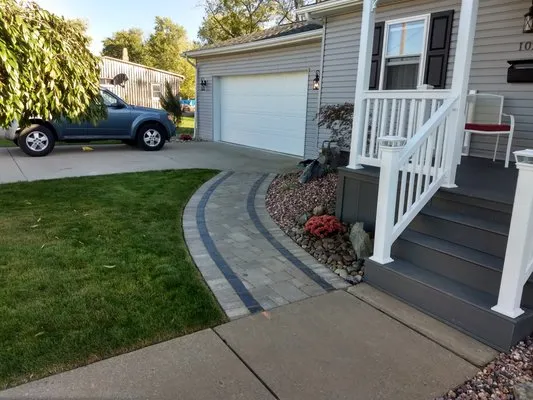
Morgan Landscaping
Founded in 2015, Morgan Landscaping is a Newcomerstown-based company dedicated to enhancing outdoor spaces with personalized care. Owner Matt Morgan built the business on principles of respect for cli...
Pleasant Hill Landscape & Lawn Care
Pleasant Hill Landscape & Lawn Care is a trusted local landscaping and design firm serving Coshocton, OH. We specialize in comprehensive landscape solutions, including irrigation design, landscape des...

PPW Services is a trusted Zanesville, OH provider specializing in pressure washing, lawn care, and window cleaning. We help local homeowners and businesses tackle common landscaping challenges like we...
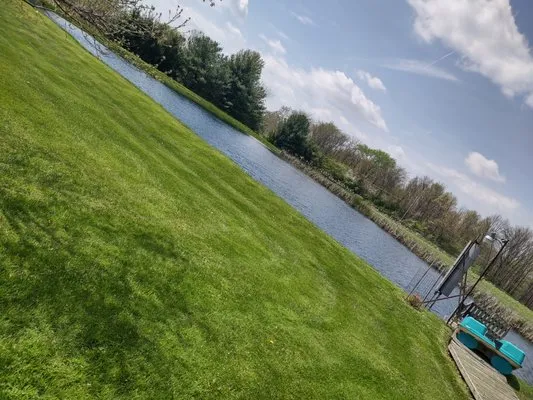
AA Landscape is a Zanesville-based landscaping company founded by Austin, who brings a meticulous and passionate approach to every project. With a focus on doing things right rather than rushing throu...
Quality Landscape Contractors in Nashport, OH, is a local landscaping and design firm specializing in creating and maintaining beautiful, functional outdoor spaces for the community. With expertise in...
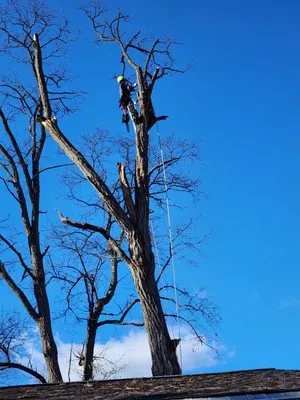
B's Trees is a Philo-based tree service and landscaping company dedicated to maintaining the health and beauty of local properties. With expertise in tree care, shrub maintenance, and landscape soluti...
C Mac Landscaping is a trusted local landscaping company serving New Concord, OH, and the surrounding areas. We specialize in addressing common local landscaping challenges, particularly poor lawn gra...
QLC Erosion Control is a Dresden-based lawn care service dedicated to helping local homeowners maintain healthy, resilient lawns. We specialize in addressing common landscaping challenges in the Dresd...
Estimated Landscaping Service Costs in Cass, OH
FAQs
A storm damaged a large tree limb. How quickly can a crew respond for emergency cleanup?
For priority HOA compliance or safety incidents, our standard storm response window is 20-30 minutes during peak hours. A crew dispatched from the Cass City Hall area would take I-71 for the most direct route to the Historic District. We maintain electric-powered chippers and hauling equipment to perform this work effectively within the local 9 PM to 7 AM quiet hours ordinance.
I've spotted invasive vines. How do I remove them without harming my lawn?
For invasive species like English ivy or wintercreeper, careful manual removal is the first step, ensuring you extract the entire root system. For persistent perennials, a targeted, systemic herbicide applied in late summer or fall is most effective. Crucially, any follow-up lawn care must comply with the Ohio phosphorus application restriction, which prohibits phosphorus fertilizer on established turf, so always verify your product's N-P-K ratio.
My yard has persistent wet spots each spring. What's the solution?
Moderate seasonal ponding is a common issue here due to the clay subsoil beneath the silt loam, which restricts downward water movement. Corrective action involves strategic regrading to create positive surface flow and the installation of French drains or dry wells. For new patios or walkways, using permeable concrete pavers can significantly reduce runoff, often helping a project meet the Cass Planning & Development Department's updated stormwater management standards.
Are permeable pavers a better long-term choice than a wooden deck?
For longevity and permeability, concrete pavers substantially outperform wood. They do not rot, warp, or require chemical treatments, and their modular nature allows for easy repair. The permeable joints facilitate groundwater recharge, mitigating local ponding. While Cass has a low Firewise rating, pavers also provide a non-combustible, defensible space material, which is a prudent consideration for any property in the urban-wildland interface.
I want a lower-maintenance, pollinator-friendly yard. What should I plant?
Transitioning to a xeriscape or native plant bed is a forward-thinking strategy. Species like Purple Coneflower, Wild Bergamot, Little Bluestem, and Butterfly Milkweed are adapted to Zone 6a conditions and require minimal supplemental water once established. This approach reduces mowing frequency and eliminates the need for gas-powered leaf blowers, aligning with evolving noise ordinances and supporting local biodiversity far beyond a conventional lawn.
My soil seems tired and compacted. Is this normal for a Cass Historic District property?
Given the average 1938 construction date, your soil profile is approximately 88 years old. Decades of standard maintenance have likely exacerbated the natural compaction of our region's slightly acidic silt loam. This compaction reduces pore space, limiting water percolation and root oxygen. Core aeration in early fall, followed by a top-dressing of compost, is the most effective method to rebuild soil structure and biological activity for the long term.
Do I need a permit to regrade my backyard, and who is qualified to do the work?
Yes, significant regrading on a 0.22-acre lot typically requires a permit from the Cass Planning & Development Department to ensure proper drainage and erosion control. This work must be performed or supervised by a professional licensed by the Ohio Department of Agriculture Landscape Architect Board or a properly insured contractor. This licensing ensures adherence to state standards for soil stability, protecting your property and adjacent lots from runoff issues.
How can I keep my Tall Fescue healthy during Stage 1 water conservation?
Voluntary conservation in Stage 1 is best managed with precision. A Wi-Fi ET-based irrigation system uses local weather station data to apply water only when evapotranspiration demands it, preventing overwatering. For Tall Fescue, this typically means 1 to 1.5 inches per week, split into two deep watering sessions to encourage drought-tolerant root growth. This technology is the most reliable method for maintaining turf health within municipal water budgets.
