Top Landscaping Services in Caldwell, OH, 43724 | Compare & Call

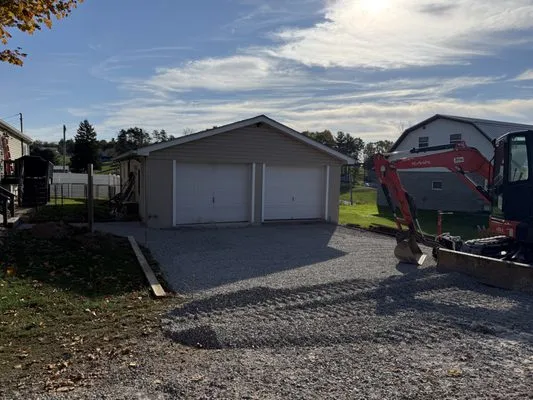
Logan Ridge Dirtworks, based in Caldwell, Ohio, provides foundational site work and property improvement services with a focus on practical, lasting solutions. Leveraging 25 years of hands-on experien...
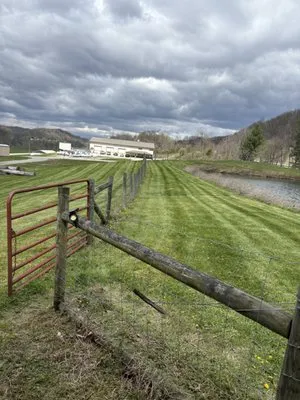
Walk The Line Lawns is a locally owned and operated lawn care business serving Caldwell, OH, and the surrounding areas. Founded on the principle of treating every property with the same care and atten...

Mobberly provides comprehensive house cleaning and landscaping services for Caldwell, OH residents. We understand the unique challenges of local properties, including persistent yard drainage problems...

American Lawn & Home Repairs is your trusted, local partner in Caldwell, OH, for keeping your outdoor space healthy and functional. We specialize in comprehensive lawn care and handyman services desig...
Porters Property Maintenance is a trusted lawn care provider serving Caldwell, OH, and the surrounding areas. We specialize in comprehensive lawn services designed to address common local landscaping ...
Q&A
How do smart controllers help maintain my lawn during dry periods?
Smart Wi-Fi weather-based irrigation controllers use real-time evapotranspiration data to adjust watering schedules automatically, preserving Kentucky Bluegrass and Tall Fescue mixes within standard conservation guidelines. These systems reduce water use 20-30% compared to traditional timers by accounting for rainfall, temperature, and humidity. Programming follows municipal water limits while preventing drought stress through deep, infrequent watering that encourages deeper root systems and improves drought tolerance.
How should I handle invasive plants without harming my soil?
Common invasive species in Zone 6a like Japanese knotweed or garlic mustard require mechanical removal or targeted herbicide applications during active growth periods. Treatment timing avoids frozen or saturated soil conditions to comply with Ohio fertilizer ordinance standards. For persistent infestations, solarization with clear plastic sheeting or smothering with cardboard and mulch provides chemical-free control. Always dispose of invasive plant material off-site to prevent re-establishment and monitor treated areas for regrowth.
How quickly can you respond to storm damage for HOA compliance?
Emergency cleanup crews dispatch from the Noble County Courthouse area via I-77, reaching most Downtown Caldwell locations within 20-30 minutes during peak response times. Our electric maintenance fleet operates within municipal quiet hours (7 AM-9 PM) to address fallen branches, debris clearance, and safety hazards without noise violations. We prioritize securing damaged trees, removing hazardous limbs, and documenting conditions for insurance purposes while maintaining property access and safety.
Why does my Caldwell lawn struggle with compaction and poor drainage?
Downtown Caldwell properties built around 1960 have acidic silty clay loam soils that have matured for over 65 years. This soil type naturally compacts over decades, reducing permeability and creating seasonal saturation issues. Core aeration with organic amendments like composted leaf mold improves soil structure by increasing pore space for root growth and water movement. Regular soil testing every 2-3 years helps monitor pH levels in the 5.5-6.5 range to maintain optimal nutrient availability.
What permits and licenses are needed for grading work?
Grading projects on 0.25-acre lots typically require permits from the Noble County Building Department, especially when moving more than 50 cubic yards of soil or altering drainage patterns. Contractors must hold appropriate licensing through the Ohio Department of Agriculture for pesticide application or through state construction licensing boards for structural work. Professional landscape architects often need additional certification for designs impacting stormwater management. Always verify contractor credentials and insurance before work begins to ensure compliance with local regulations.
Which hardscape materials last longest in our climate?
Local sandstone and concrete pavers outperform wood in longevity, with lifespans exceeding 25 years versus wood's 10-15 years in Ohio's freeze-thaw cycles. These materials maintain structural integrity while providing defensible space compliant with low fire-wise ratings. Proper installation with permeable bases and jointing sand allows water infiltration, reducing runoff. For high-use areas, sealed concrete or thermal-finished sandstone offers slip resistance and minimal maintenance compared to wood's regular sealing requirements.
What solutions exist for seasonal runoff in my yard?
Moderate runoff in acidic silty clay loam soils requires graded swales, French drains, or dry creek beds to redirect water away from foundations. Permeable local sandstone or concrete paver installations increase infiltration rates while meeting Noble County Building Department runoff standards. Soil amendments like expanded shale or biochar mixed into planting beds improve permeability, and rain gardens planted with native species can capture and filter 30-40% of stormwater runoff from typical 0.25-acre lots.
Can I reduce maintenance while supporting local ecology?
Replacing high-maintenance turf areas with native plantings like Purple Coneflower, Wild Bergamot, Butterfly Milkweed, and Little Bluestem creates biodiverse landscapes requiring minimal inputs. These species support pollinators, reduce mowing frequency, and eliminate gas-powered blower use ahead of potential noise ordinance restrictions. Native plant communities develop deep root systems that improve soil structure, increase drought resilience, and provide seasonal interest with minimal irrigation once established.
