Top Landscaping Services in Blanchester, OH, 45107 | Compare & Call

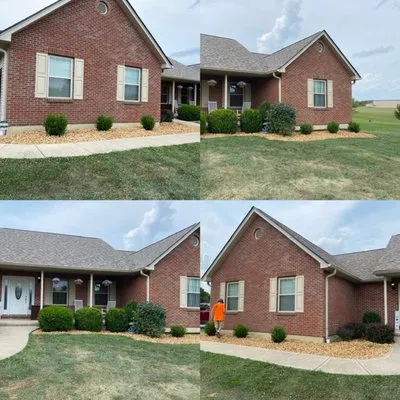
Sip City Lawnscapes is a Blanchester-based lawn care and property maintenance company founded in 2019. We specialize in providing reliable, affordable services for local homeowners, including lawn car...
TPM Fence & Property Maintenance
TPM Fence & Property Maintenance has been a trusted partner for Blanchester, OH, homeowners for over 25 years. We offer comprehensive solutions for your outdoor living space, from custom deck construc...

Rick's Lawn Care & Landscaping is a trusted local provider in Blanchester, OH, specializing in comprehensive lawn care services to address common landscaping challenges faced by homeowners in the area...

CNI Tree Service is a family-owned, licensed, and insured tree care company serving Blanchester and the Greater Cincinnati area. As a local business, we understand the specific needs of our community,...

Rosewood Lawncare is a trusted, insured provider serving Blanchester, OH, and surrounding communities like Wilmington, Milford, Loveland, and Lebanon. We specialize in creating tailored lawn maintenan...

Leisurely Lawn & Landscaping is Blanchester's trusted partner for healthy lawns and thriving trees. We understand the common local challenges of standing water and moss growth, which can ruin your yar...
R&R Handyman Services provides reliable lawn care for Blanchester residents and businesses. Our team understands the unique challenges of local yards, from managing storm debris after severe weather t...
Walls Landscaping is a trusted local landscaping company serving homeowners in Blanchester, OH, and the surrounding areas. Specializing in gardening and landscape maintenance, we help residents tackle...
Thompson Lawn Care is a trusted lawn service provider in Blanchester, OH, dedicated to helping local homeowners maintain beautiful, healthy yards. We specialize in comprehensive lawn care, including m...
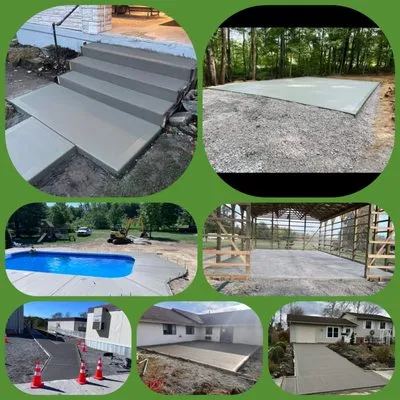
Nathan James is a Blanchester-based landscaping company specializing in comprehensive outdoor construction and installation services. Serving the local community, we address common area challenges lik...
Questions and Answers
Are concrete pavers better than wood for Blanchester patios and pathways?
Concrete pavers offer superior longevity with 25+ year lifespans versus wood's 10-15 years in Ohio's freeze-thaw cycles. Their non-combustible nature supports Low Fire Wise ratings in urban-suburban interfaces by creating defensible space. Unlike wood, pavers don't require chemical treatments that can leach into soil. Proper installation with permeable joints allows drainage while maintaining structural integrity through seasonal temperature fluctuations.
What permits and licenses are needed for grading my 0.25-acre property?
Grading that alters water flow patterns requires Clinton County Regional Planning Commission approval to ensure compliance with erosion control standards. The Ohio Department of Agriculture Landscape Architect Board licenses professionals for design work affecting drainage on lots this size. Unlicensed grading can create liability issues if changes cause neighbor property damage or violate municipal codes. Proper documentation protects against future disputes over water management.
Why does my lawn in Blanchester Central have drainage issues and compacted soil?
Properties built around 1970 have soil that has matured for approximately 56 years, developing a dense structure typical of Blanchester Silt Loam. This soil type naturally compacts over decades, reducing permeability and creating seasonal saturation. Core aeration with organic amendments like compost improves soil structure by increasing pore space for water movement and root growth. Addressing compaction now prevents long-term drainage problems common in older neighborhoods.
How do smart irrigation systems work with Blanchester's water conservation guidelines?
Wi-Fi ET-based weather sensing irrigation calculates evapotranspiration rates to deliver precise water amounts matching plant needs. This technology maintains Kentucky Bluegrass and Tall Fescue health while reducing water use by 20-30% compared to traditional timers. Although Blanchester has no mandatory restrictions, voluntary conservation is encouraged, and these systems automatically adjust for rainfall and humidity. Proper programming prevents overwatering that exacerbates the area's high clay content issues.
What solutions exist for seasonal water pooling in Blanchester's clay-heavy soil?
Blanchester Silt Loam's high clay content causes slow percolation and seasonal saturation. Installing French drains with gravel beds redirects subsurface water away from foundations. Permeable hardscape materials like crushed limestone allow infiltration, meeting Clinton County Regional Planning Commission runoff standards. Combining these approaches with soil amendments creates a comprehensive drainage system that addresses both surface and subsurface water movement.
How should I manage invasive species without violating fertilizer regulations?
Common invasive alerts in Blanchester include Japanese Knotweed and Garlic Mustard, which outcompete native vegetation. Manual removal before seed set combined with targeted organic herbicides avoids phosphorus application prohibited by Ohio's fertilizer ordinance unless soil tests show deficiency. Treatment timing outside spring blackout dates prevents runoff into waterways. Regular monitoring and early intervention create sustainable control without chemical dependency.
How quickly can you respond to storm damage for HOA compliance in Blanchester?
Emergency cleanup crews dispatch from Veterans Memorial Park via OH-28, arriving within 20-30 minutes during peak conditions. This route optimizes access to Blanchester Central while accounting for traffic patterns. The response window aligns with standard noise ordinance hours of 7am-9pm for immediate debris removal. Timely intervention prevents HOA violations and secondary damage from fallen branches.
Can I reduce lawn maintenance while supporting local pollinators?
Replacing high-maintenance turf with native plantings like Purple Coneflower, Butterfly Milkweed, Wild Bergamot, and Little Bluestem creates biodiverse landscapes requiring less water and no weekly mowing. These species support 2026 biodiversity standards while eliminating gas-powered equipment use ahead of potential noise ordinance tightening. Native plants establish deep root systems that improve soil structure and drought tolerance in USDA Zone 6b conditions.
