Top Landscaping Services in Bedford, OH, 44146 | Compare & Call


Tucker Landscaping has been a trusted, family-owned and operated landscape firm serving Bedford and Northeast Ohio since 1997. Our growth is rooted in a steadfast commitment to our clients and the pro...
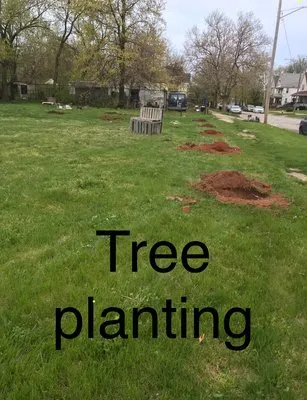
IYI Network is a locally owned and operated landscaping, tree service, and moving company serving Bedford, OH. We specialize in comprehensive outdoor care, from routine lawn maintenance and shrub prun...
Danzey Landscaping is a trusted, local Bedford landscaping company dedicated to solving the common yard problems homeowners face. Many Bedford properties struggle with dying shrubs due to poor soil co...

American Turf Landscape And Garden Center
American Turf Landscape And Garden Center has been serving Bedford, OH, and surrounding communities since 1979. As a full-service landscape and snow removal firm, we focus on providing reliable, quali...
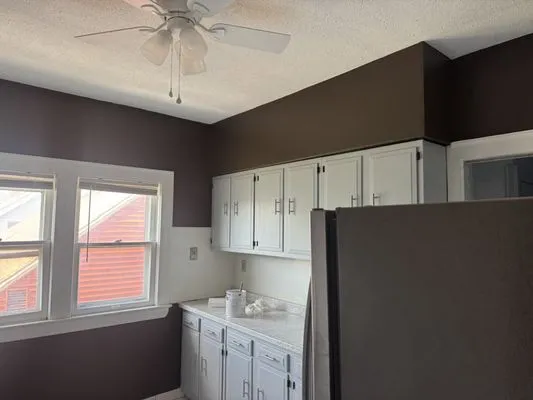
Oliver Brothers is a Bedford-based family business dedicated to enhancing local properties through reliable lawn care and painting services. We understand the unique challenges Bedford homeowners face...
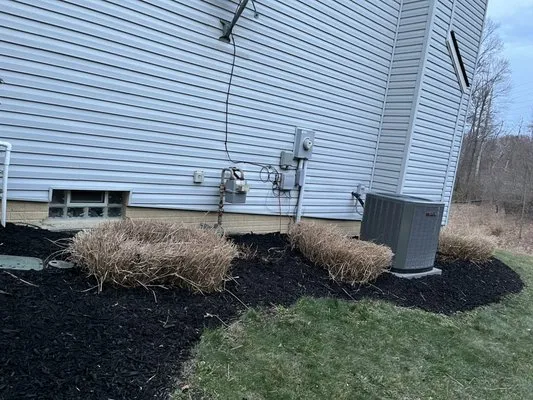
Meadows Lawn Care is a family-owned and operated lawn service provider in Bedford, OH, driven by a genuine passion for the craft. Our founder started this business after years of admiring the beautifu...
X Mark 1 Landscaping is a Bedford, OH-based landscaping company dedicated to enhancing local outdoor spaces with professional care and expertise. We specialize in addressing common area challenges lik...
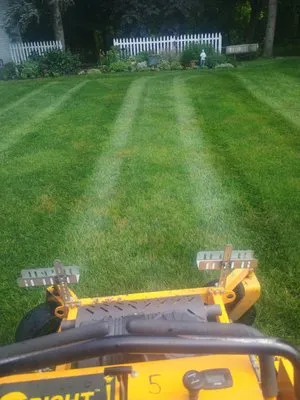
Mimna Services is a Bedford-based tree service and landscaping company providing comprehensive outdoor solutions for residential and commercial properties. We specialize in landscape design, construct...

Elis Landscape & Design is your trusted Bedford neighbor for transforming outdoor spaces. We specialize in comprehensive solutions that tackle common local challenges like persistent lawn fungus and o...
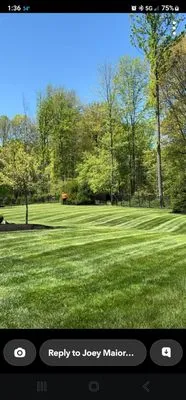
Maiorana Landscaping
Maiorana Landscaping is your trusted local partner for Bedford, OH, lawns and landscapes. We are a family-owned team that believes in building lasting relationships with our community through reliable...
Question Answers
What permits and licenses are required for grading work on my 0.22-acre Bedford lot?
The Bedford Building Department requires grading permits for any significant earth movement, particularly important given the neighborhood's moderate runoff concerns. Contractors must hold Ohio Department of Agriculture landscape/nursery licensing, which ensures understanding of soil stability and drainage principles. On 0.22-acre lots, even minor grading can affect water flow patterns to adjacent properties, making professional oversight essential. Proper documentation through permitted work protects against future liability issues related to drainage or structural impacts.
Why does my Bedford Historic District lawn struggle with compaction and poor drainage?
Bedford's 1959-era homes have soil that has matured for 67 years, developing a dense silty clay loam structure common in this neighborhood. This slightly acidic soil (pH 6.2-6.8) naturally compacts over decades, reducing permeability and oxygen availability to roots. Core aeration every 2-3 years combined with organic amendments like composted leaf mold addresses this historical compaction pattern. The soil's age means it requires regular organic matter inputs to maintain healthy structure for turf and planting beds.
How quickly can you respond to storm damage for HOA compliance in Bedford?
Our electric maintenance fleet can dispatch from Bedford Reservation within 20-30 minutes during peak hours, traveling via I-480 to reach Bedford Historic District properties. This rapid response meets typical HOA compliance windows for emergency cleanup while adhering to Bedford's 7am-9pm noise ordinance for equipment operation. We prioritize safety assessments first, then debris removal using electric equipment that operates within permitted hours without disturbing neighbors.
How can I reduce maintenance while supporting local biodiversity?
Replacing high-maintenance turf areas with native plantings like Purple Coneflower, Wild Bergamot, Butterfly Milkweed, and New England Aster creates habitat while reducing gas-powered equipment use. These deep-rooted natives require no irrigation once established and thrive in Bedford's Zone 6b climate. This approach stays ahead of evolving noise ordinances by eliminating weekly mowing needs while providing year-round visual interest and supporting pollinator populations essential to local ecosystems.
How do concrete pavers and sandstone compare to wood for Bedford patios?
Concrete pavers and sandstone offer 25+ year lifespans versus wood's 10-15 years in Bedford's freeze-thaw cycles. These non-combustible materials support Bedford's Low Fire Wise Rating by creating defensible space without fuel accumulation. Their thermal mass moderates temperature extremes better than wood, and proper installation with polymeric sand prevents weed intrusion while allowing some permeability. This durability reduces long-term maintenance while providing stable surfaces that withstand Zone 6b seasonal transitions.
How do smart irrigation systems work with Bedford's water conservation standards?
Smart Wi-Fi soil moisture sensor controllers use evapotranspiration (ET) data to apply water only when Kentucky Bluegrass and Fine Fescue mixes actually need it. These systems maintain turf health while staying well within municipal conservation limits by preventing overwatering during Bedford's seasonal high water table periods. The technology adjusts irrigation schedules based on real-time soil conditions, typically reducing water use by 20-30% compared to traditional timer-based systems while preserving turf quality.
What solutions address moderate runoff issues in Bedford's clay-heavy soil?
Bedford's silty clay loam has slow percolation rates that exacerbate seasonal high water table conditions. Permeable concrete pavers or sandstone installations create infiltration zones that meet Bedford Building Department runoff standards. French drains with clean gravel and geotextile fabric redirect subsurface water away from foundations. These systems work with the soil's natural characteristics rather than against them, reducing surface runoff while improving soil moisture management throughout the property.
What invasive species should Bedford homeowners watch for, and how are they treated?
Garlic mustard and Japanese knotweed present significant risks in Bedford's slightly acidic soils, outcompeting natives and altering soil chemistry. Treatment involves mechanical removal before seed set, followed by targeted organic herbicides that won't violate Bedford's phosphorus-free fertilizer requirements. Proper timing avoids blackout periods when soil tests might indicate temporary phosphorus needs. Regular monitoring and early intervention prevent establishment while protecting soil microbial communities essential for long-term landscape health.
