Top Landscaping Services in Bearfield, OH, 43730 | Compare & Call
There are 173 landscaping companies server in Bearfield OH
Yard Gnome is a professional lawn care and property maintenance service based in Nelsonville, Ohio, dedicated to helping local homeowners achieve a healthy and well-kept property year-round. We offer ...
Green Tree in Columbus, OH is a full-service tree and landscaping company founded in 2012 by owner Josh Griffiths. With a background that transitioned from law enforcement to the tree industry, Josh b...

Murph's Construction is a trusted, locally-owned home services provider serving the Grove City, OH community. We specialize in a wide range of services designed to enhance and protect your property, i...

Bray's Arbor Specialists is a Columbus-based tree service and landscaping company with deep roots in the community. Founded by someone who grew up in the industry—starting as a groundsman, learning to...
Longstreth Lawn Care is a trusted Zanesville, OH business providing comprehensive lawn services and junk removal to keep local properties healthy and tidy. We specialize in addressing common Zanesvill...
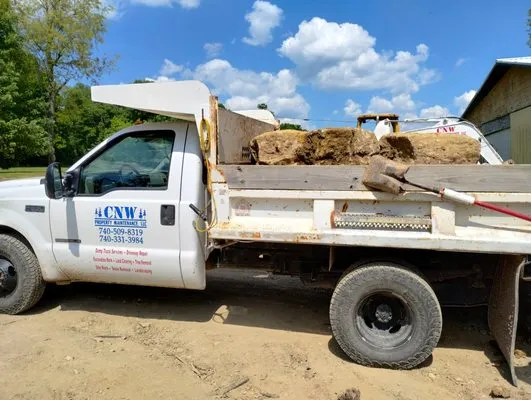
CNW Property Maintenance is a family-owned and operated LLC based in Cumberland, OH, providing comprehensive excavation, landscaping, and tree services to the local community. Fully insured and dedica...
Morton Professional Lawn Care has been the trusted lawn service provider for Zanesville and Muskingum County since 1986. As a locally owned and family-operated business, we understand the unique needs...

FBG Tree Service is a locally owned, fully insured provider serving the Chandlersville, OH area. We specialize in comprehensive tree care, including removal, pruning, disease management, and stump gri...

Hendershot Property Maintenance
Hendershot Property Maintenance is a trusted local provider serving Byesville, OH, and surrounding areas with comprehensive outdoor property solutions. We specialize in lawn services, excavation, and ...
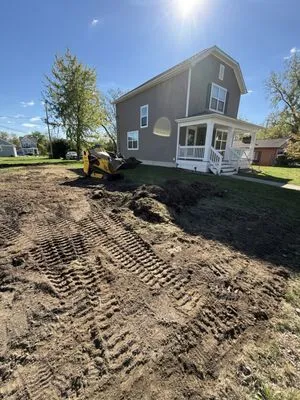
DTE services is a Columbus-based lawn and property service company dedicated to helping local homeowners maintain and improve their outdoor spaces. We provide a range of essential services including p...
Estimated Landscaping Service Costs in Bearfield, OH
Common Questions
What's causing standing water near my foundation each spring?
Slightly acidic silt loam has poor subsoil infiltration rates below 6 inches depth. Permeable clay pavers installed with 2-3mm joint spacing and gravel bases achieve 5-8 inch per hour permeability, meeting Bearfield Department of Planning and Development runoff standards. For existing waterlogged areas, French drains with 4-inch perforated pipe at 12-inch depth redirect water 10 feet from structures, supplemented by rain gardens planted with Ohio Goldenrod.
How quickly can you respond to storm damage for HOA compliance?
Emergency cleanup crews dispatch from the Bearfield Civic Center staging area, taking I-77 north to Greenwood Estates exit 42. Electric equipment fleets operate within noise ordinance windows, achieving 20-30 minute peak response times for debris removal. We prioritize safety corridors and property access points, documenting all work for HOA compliance reports before the 8:00 PM equipment curfew.
What permits are needed for regrading my backyard?
The Bearfield Department of Planning and Development requires grading permits for any earth movement exceeding 50 cubic yards on 0.35 acre lots. Ohio Department of Agriculture licensing mandates certified professionals for projects affecting drainage patterns or soil stability. This ensures compliance with municipal runoff management plans and prevents downstream erosion liabilities, with typical permit review periods of 10-15 business days for properly documented submissions.
Should I worry about water restrictions affecting my lawn?
Stage 0 status means no municipal restrictions, but Wi-Fi ET-based controllers optimize water use regardless. These systems pull local weather station data to adjust runtime based on evapotranspiration rates, typically reducing Kentucky Bluegrass/Tall Fescue irrigation by 15-25% versus traditional schedules. We program 0.75-1.0 inch weekly applications during peak summer, maintaining turf health while conserving 3000-5000 gallons monthly on 0.35 acre lots.
Can I reduce maintenance while keeping my yard attractive?
Replacing 30-50% of traditional turf with native plantings like Purple Coneflower and Little Bluestem cuts mowing frequency by half. These deep-rooted species require no gas-powered blower maintenance, aligning with Bearfield's 8:00 PM-7:00 AM noise ordinance phase-out planning. Established native beds need only annual cutting back, reducing seasonal labor hours by 60% while supporting 2026 biodiversity targets for pollinator corridors.
Why does my soil feel compacted and drain poorly compared to newer neighborhoods?
Greenwood Estates homes built around 1971 have 55-year-old landscapes with mature soil profiles. Slightly acidic silt loam naturally compacts over decades, reducing permeability to 0.5-1.5 inches per hour. Core aeration every 2-3 years with 3-4 inch depth penetrates thatch layers, while incorporating 0.5 cubic yards of compost per 1000 sq ft rebuilds soil structure. This addresses the moderate seasonal waterlogging documented in Bearfield's drainage surveys.
How do I handle invasive weeds without harming my lawn?
Japanese knotweed and garlic mustard pose the highest invasion risks in Bearfield's Zone 6a. Spot treatment with glyphosate-based herbicides during April emergence avoids phosphorus ordinance violations, as established turf requires soil test documentation for phosphorus applications. Manual removal before seed set in May prevents spread, while maintaining 3-inch mowing height on Tall Fescue blends naturally suppresses annual weed germination by 40-50%.
Are clay pavers better than wood for patio longevity?
Permeable clay pavers maintain structural integrity for 25+ years versus wood's 8-12 year lifespan in Bearfield's freeze-thaw cycles. Their non-combustible nature supports Low Fire Wise ratings by creating defensible space around structures, unlike wood's ember generation risk. Installation with geotextile fabric and 4-inch gravel base prevents frost heave damage, while their natural thermal mass reduces urban heat island effect by 5-7°F compared to concrete alternatives.
