Top Landscaping Services in Baltimore, OH, 43105 | Compare & Call

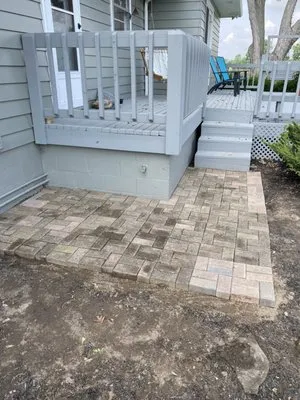
TW Landscaping is a Baltimore-based company dedicated to enhancing the beauty and health of local properties. We focus on providing reliable, efficient, and fairly-priced services, from routine lawn m...
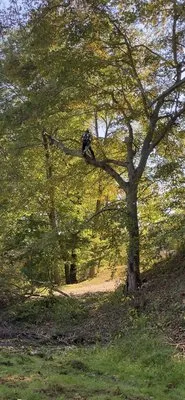
Forever Green Tree Service is a family-operated arborist company proudly serving Baltimore and all of Fairfield County. With 65 years of combined hands-on experience, our team brings deep-rooted knowl...
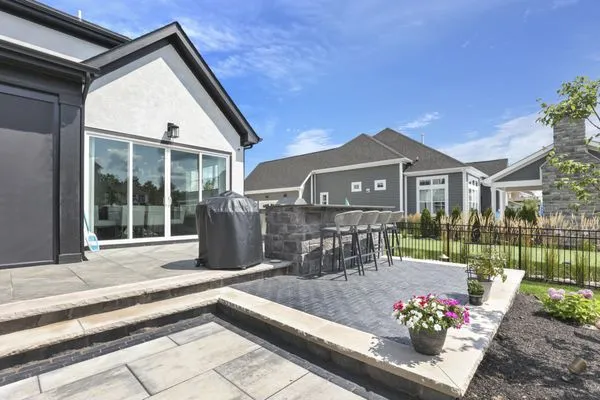
Columbus Hardscapes LLC is a full-service landscaping contractor serving the Baltimore, OH area. We specialize in comprehensive outdoor solutions, from initial landscape design and construction to ong...

Allgreen Lawncare & Landscaping is a Baltimore, OH-based landscaping company dedicated to maintaining and enhancing local outdoor spaces. We specialize in addressing common Baltimore landscaping chall...
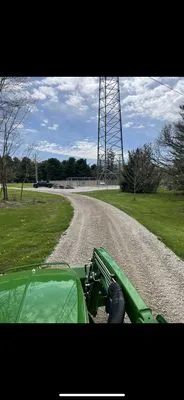
C&J’s Earthworks is a trusted local excavation and property service provider serving Baltimore, Ohio, and the surrounding Fairfield County communities. We specialize in solving the common local proble...
National Lawn and Landscape is a locally owned and operated company serving Baltimore and the surrounding communities from our base in Columbus. We are your neighbors in Franklin County, specializing ...
Mike's Mowin is a locally owned lawn care business in Baltimore, OH, founded by Michael Evans. With years of hands-on experience starting from childhood and professional training, Mike brings a dedica...
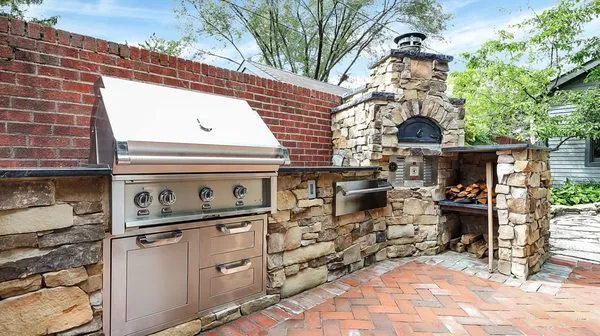
Columbus Hardscapes
Columbus Hardscapes is a Baltimore, OH-based contractor specializing in comprehensive outdoor solutions, including snow removal, masonry/concrete work, and landscaping. Serving the local community, we...
Goines Mowing and More is a trusted lawn care provider serving Baltimore, OH, and the surrounding communities. Specializing in comprehensive lawn services, we help homeowners tackle common local lands...
Ballinger's Landscaping is a trusted, locally-owned company serving Baltimore, Ohio, and the surrounding communities. We understand the unique challenges faced by local property owners, particularly i...
Common Questions
What solutions address seasonal saturated soil in Baltimore yards?
Seasonal saturated topsoil results from poor sub-surface drainage common in silt loam soils, where fine particles slow water percolation. Installing French drains with clean gravel and perforated pipe at 18-24 inch depths redirects groundwater away from foundations. Permeable concrete pavers as hardscape surfaces meet Baltimore Village Zoning Department runoff standards by allowing 80-90% of rainfall to infiltrate naturally, reducing pressure on overwhelmed drainage systems during spring thaw and heavy precipitation events.
Can I reduce maintenance while supporting local ecology?
Replacing high-maintenance turf areas with native plantings like Purple Coneflower, Butterfly Milkweed, Little Bluestem, and Ohio Goldenrod creates resilient landscapes requiring minimal inputs. These adapted species survive on natural rainfall once established, eliminating weekly mowing and reducing gas-powered equipment use ahead of tightening noise ordinances. Native plant communities support 3-4 times more pollinator species than conventional lawns while improving soil health through deep root systems that prevent erosion and increase organic matter accumulation.
How quickly can you respond to emergency storm damage for HOA compliance?
Emergency cleanup crews dispatch from Johnson Park via OH-158, reaching Downtown Baltimore properties within 20-30 minutes during peak response windows. This routing avoids residential congestion while maintaining access to major debris removal equipment. For urgent HOA compliance issues like fallen branches or drainage blockages, same-day assessment typically occurs within 2-4 hours of notification, with full remediation scheduled according to safety priorities and municipal coordination requirements.
How do smart irrigation systems work with Baltimore's water restrictions?
Wi-Fi ET-based weather sensing irrigation calculates evapotranspiration rates using local weather data, applying precise water amounts only when Tall Fescue turf actually needs moisture. During Stage 0 restrictions with no current limits, these systems proactively conserve 30-50% compared to traditional timers by adjusting for rainfall, humidity, and temperature. This technology maintains turf health while staying well below potential municipal water allocation thresholds, with cloud-based monitoring allowing real-time adjustments from any location.
What permits and licenses are needed for grading my quarter-acre lot?
Grading work on 0.25-acre Baltimore properties requires Baltimore Village Zoning Department permits for any elevation changes exceeding 6 inches or affecting drainage patterns. Ohio Landscape Industry Association licensing ensures contractors understand soil stability requirements and erosion control measures. Professional grading certification becomes mandatory when moving more than 50 cubic yards of material, as improper slope alterations can create downstream flooding liabilities. Always verify contractor credentials through both municipal and state databases before excavation begins.
How should I treat invasive species without violating fertilizer rules?
Japanese knotweed and garlic mustard pose significant invasive risks in Baltimore, requiring targeted treatment during active growth phases. Manual removal before seed set, combined with spot-applied glyphosate in fall when native plants are dormant, minimizes ecosystem impact. These methods avoid phosphorus application restrictions by using herbicides rather than fertilizers, with timing coordinated outside local ordinance blackout dates. Always identify invasives through Ohio State Extension resources before treatment to prevent accidental removal of beneficial native volunteers.
Why does my Baltimore lawn have such compacted soil that needs annual aeration?
Baltimore's Downtown neighborhood lots, with houses averaging 57 years old since 1969 construction, have developed mature silt loam soil profiles. Over decades, foot traffic and equipment weight compress soil particles, reducing pore space for air and water movement. This silt loam composition naturally tends toward compaction when organic matter depletes. Core aeration every 1-2 years, combined with compost topdressing, restores soil structure by introducing oxygen channels and organic amendments that improve root penetration.
Are permeable pavers better than wood for Baltimore patios?
Permeable concrete pavers outperform wood in longevity, with 25-30 year lifespans versus wood's 10-15 years even with maintenance. Their interlocking design accommodates freeze-thaw cycles without heaving, while 95% permeability rates reduce runoff volume. For Baltimore's Low Fire Wise rating areas, non-combustible pavers create defensible space without requiring chemical fire retardants. Installation over compacted gravel bases with geotextile fabric prevents weed penetration while maintaining structural integrity through seasonal soil moisture fluctuations.
