Top Landscaping Services in Ashtabula, OH, 44004 | Compare & Call

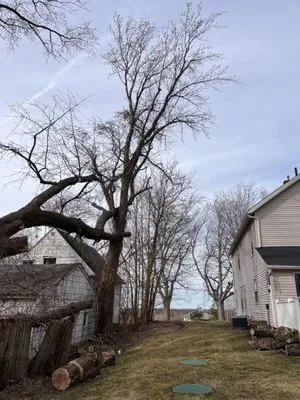
Ezekiel’s Tree’s & Landscapes is a family-owned business serving Ashtabula, OH, with comprehensive tree and landscaping services. We specialize in everything from tree care and shrub maintenance to la...
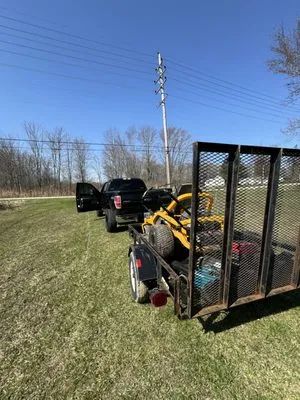
Tyler's Lawn Service is a locally owned and operated lawn care business in Ashtabula, OH, run by Tyler Brown, a dedicated high school senior who is building his business with hands-on experience and a...
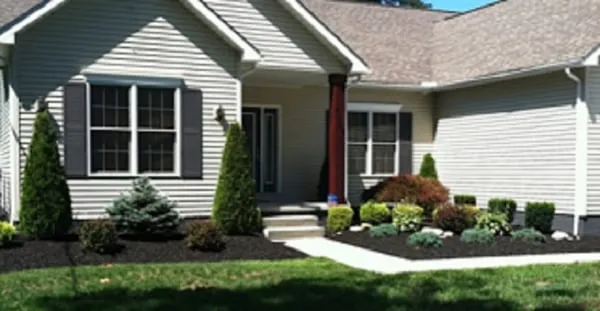
MC Professional Lawn Care and Snow Plowing
MC Professional Lawn Care & Snow Plowing, LLC is a family-owned and operated business proudly serving Ashtabula, Ohio, and the surrounding counties. With years of experience, our professionally traine...

Helping Hands Property Maintenance is a family-owned company in Ashtabula, OH, founded to provide reliable and affordable property care for both residential and commercial clients. We specialize in la...

Flanders & Sons is a trusted, family-owned lawn care and snow removal service proudly serving Ashtabula and the surrounding communities. We understand the unique challenges of maintaining a property i...
Brobst Landscaping is a trusted, locally-owned landscaping company serving Ashtabula, OH, and surrounding areas. With deep roots in the community, we understand the unique challenges homeowners face i...
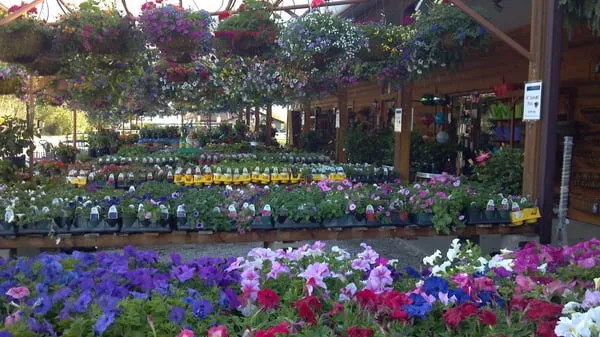
Kelly's Gardens & Landscape Services
Kelly's Gardens & Landscape Services is a family-owned and operated business in Ashtabula, OH, built on a genuine passion for plants and the local community. Founded by an Ohio State graduate and land...

J S Hardscapes is a trusted Ashtabula, OH contractor specializing in comprehensive landscaping, demolition, and snow removal services. We help local homeowners and businesses maintain and enhance thei...
Geary Lawn Care is a trusted lawn service provider serving Ashtabula, Ohio, dedicated to helping local homeowners achieve and maintain healthy, vibrant lawns. We specialize in comprehensive lawn care ...

Basic Lawncare is a trusted, local lawn service provider dedicated to helping Ashtabula homeowners maintain healthy, beautiful yards. We understand the common local frustrations with sprinkler leaks t...
Question Answers
Can I maintain Kentucky Bluegrass without violating water conservation standards?
Smart Wi-Fi soil moisture sensors optimize irrigation by tracking evapotranspiration rates and soil saturation levels. These systems apply water only when root zones drop below 50% field capacity, typically reducing usage 30-40% compared to timer-based systems. In Ashtabula's Zone 6a climate, this technology preserves turf health while staying well within standard conservation guidelines, even during July-August dry spells.
What permits and licenses are needed for regrading my 0.22-acre property?
Significant grading projects require Ashtabula Planning & Community Development permits for erosion control and drainage modifications. Contractors must hold Ohio Department of Agriculture licensing for landscape architecture or excavation work exceeding 500 cubic yards of soil movement. These regulations ensure proper water management on silty clay loam soils and prevent downstream sedimentation in Lake Erie watershed areas.
What solutions exist for yards that stay soggy weeks after rain?
Seasonal high water tables in silty clay loam require subsurface drainage systems with 4-inch perforated pipes at 18-24 inch depth. Replace impermeable surfaces with permeable concrete pavers or crushed limestone to increase infiltration rates. These modifications must meet Ashtabula Planning & Community Development runoff standards, which typically require managing the first 1.5 inches of rainfall on-site through infiltration or retention.
Are there lower-maintenance alternatives to traditional lawn grass?
Transitioning 30-50% of turf to native plantings like Monarda fistulosa, Asclepias syriaca, and Echinacea purpurea reduces mowing frequency and irrigation demands. These deep-rooted species improve soil structure while providing habitat for pollinators. This approach aligns with emerging electric equipment standards that will phase out gas-powered blowers under noise ordinance revisions, creating quieter neighborhood environments.
Do concrete pavers offer better value than wood for patios in our climate?
Concrete pavers withstand Ashtabula's freeze-thaw cycles with minimal maintenance, unlike wood that requires annual sealing against moisture. Their non-combustible nature supports Firewise defensible space requirements in urban interface zones. Properly installed with polymeric sand joints, paver systems maintain permeability while providing 25+ year service life versus wood's 10-15 year lifespan with regular replacement costs.
How should I manage invasive plants without chemical overuse?
Targeted manual removal of invasive species like garlic mustard or Japanese knotweed during early growth stages prevents seed dispersal. For persistent infestations, spot-apply EPA-registered herbicides in fall when native plants are dormant, strictly observing Ohio's phosphorus application restrictions. Always coordinate treatments around the April-May mulching peak to avoid disrupting soil microbiology with simultaneous amendments.
How quickly can you respond to storm damage for HOA compliance?
Emergency cleanup crews dispatch from Ashtabula Harbor Bridge via OH-11, reaching Lake Shore Park District properties in 20-30 minutes during peak conditions. This routing avoids downtown congestion while maintaining access to major debris removal equipment. Teams prioritize safety assessments and temporary stabilization to meet municipal quiet hour restrictions that prohibit heavy equipment after 9 PM.
Why does my Lake Shore Park District lawn struggle despite regular care?
Ashtabula's 1952-built homes have soil that has matured for 74 years, developing compacted silty clay loam with pH 6.5-7.2. This soil type in older neighborhoods retains water but restricts root growth and oxygen exchange. Core aeration every 2-3 years and adding 1-2 inches of composted organic matter annually improves permeability and microbial activity. These amendments address the inherent density of glacial lakebed soils common near Ashtabula Harbor.
