Top Landscaping Services in Arlington, OH, 45814 | Compare & Call
There are 35 landscaping companies server in Arlington OH
Painter Land Clearing is a full-service Lima, OH, company specializing in transforming and maintaining outdoor spaces for local homeowners. We provide comprehensive tree services, land clearing, and e...

Precision Lawn Care is your trusted, local expert for comprehensive tree and lawn care in Ada, OH. We specialize in professional lawn maintenance, tree services, and pressure washing to enhance your p...
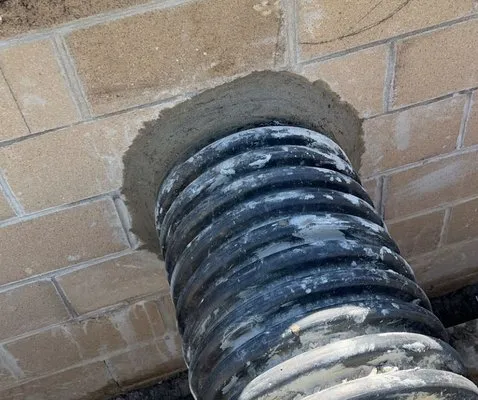
Wilson & Wilson Property Maintenance
Wilson & Wilson Property Maintenance is a trusted, locally-owned team serving Spencerville and the surrounding areas. We specialize in transforming outdoor spaces and solving property challenges with ...

J&E Mowing Plus is a trusted local lawn care and snow removal service based in Bellefontaine, OH. We specialize in comprehensive lawn maintenance and reliable snow removal to keep your property lookin...
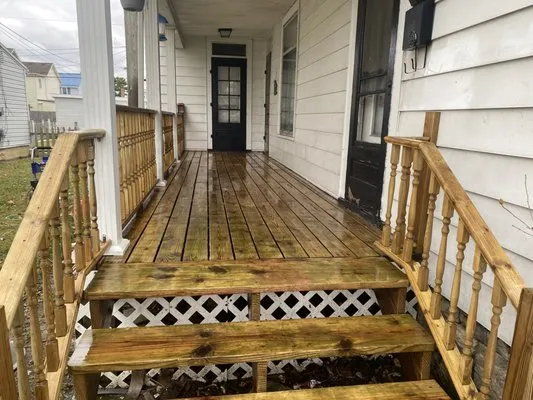
Cover Power Washing
Cover Power Washing serves Tiffin homeowners by tackling exterior cleaning and seasonal needs. They specialize in power washing homes, driveways, sidewalks, fencing, and even farm equipment to remove ...
Estimated Landscaping Service Costs in Arlington, OH
Q&A
How can I keep my Kentucky Bluegrass lawn green during summer without wasting water or violating any city rules?
While Arlington has no mandatory water restrictions, voluntary conservation is encouraged and best achieved with technology. A Wi-Fi ET-based weather-sensing irrigation controller is the standard. It automatically adjusts watering schedules daily based on local evapotranspiration data, rainfall, and soil moisture. This system delivers precisely what your Tall Fescue and Bluegrass blend needs, preventing overwatering and reducing strain on municipal supply. Deep, infrequent watering cycles programmed by such a controller promote drought-tolerant root growth.
Our neighborhood has older homes, so is the soil in my yard likely 'dead' and in need of major work?
Soil in Arlington's Arlington Village Center is not dead, but it is mature. With homes averaging a 1958 build date, your Miamian-Celina silt loam has had nearly 70 years of standard lawn management, which often leads to compaction and reduced organic matter. This soil type naturally has good structure but requires core aeration every 2-3 years to alleviate compaction from foot traffic and mowing. Amending with compost, not topsoil, is the most effective way to rebuild soil biology and improve permeability for long-term turf and plant health.
I'm tired of weekly mowing and gas equipment noise. What's a lower-maintenance, eco-friendly alternative to my traditional lawn?
Transitioning to a landscape dominated by Ohio native plants is the definitive solution. Species like Purple Coneflower, Butterfly Milkweed, Little Bluestem, and Wild Bergamot are adapted to Zone 6a, require no fertilization, and need only occasional seasonal cutbacks. This xeriscape approach drastically reduces water use, eliminates weekly mowing, and provides critical habitat. It also future-proofs your property against evolving noise ordinances that may restrict gas-powered blowers and mowers, aligning with a shift toward quieter, electric maintenance fleets.
If a storm causes significant tree damage and my HOA requires a rapid cleanup, how quickly can a professional crew arrive?
For an emergency storm response, a crew can typically be dispatched from the Arlington Community Park area within the hour. The primary route uses US-68, which provides direct access to most Arlington neighborhoods. Accounting for debris and standard daytime traffic, on-site arrival for a priority call is reliably within 20-30 minutes. Crews operate within the 8:00 AM to 8:00 PM noise ordinance, ensuring compliance while executing a swift cleanup to meet HOA or safety standards.
We're adding a patio. Are clay pavers and crushed limestone durable enough for our climate, and how do they compare to wood?
Clay pavers and crushed limestone are superior to wood for longevity in Ohio's freeze-thaw cycles. Clay pavers are fired for extreme durability and frost resistance, while compacted crushed limestone creates a highly permeable, stable base. Unlike wood, these inorganic materials will not rot, warp, or attract pests. They also contribute to a higher Fire Wise rating by creating a non-combustible defensible space, an important consideration even in our low-risk zone, and require virtually no maintenance compared to wood's need for sealing or replacement.
My yard has a low spot that turns into a muddy mess every spring. What's a permanent solution that also looks good?
Seasonal saturation in clay-heavy depressions is common in our Miamian-Celina soil. The permanent solution involves regrading to create positive surface flow and integrating subsurface drainage, like a French drain tied to a dry well or daylighted outlet. For surfacing, using permeable materials like crushed limestone or clay pavers in affected walkway or patio areas increases infiltration. These solutions manage runoff effectively and can be designed to meet Hancock County Building and Zoning Department standards for stormwater management.
We want to regrade our backyard for better drainage. What permits do we need, and why is the contractor's license important?
Significant regrading on a 0.35-acre lot typically requires a permit from the Hancock County Building and Zoning Department to ensure the work complies with stormwater runoff and erosion control ordinances. It is critical to hire a contractor licensed by the Ohio Department of Agriculture for nursery and landscape work. This state licensing verifies they carry proper insurance, understand best practices for soil management, and are legally authorized to perform the work, protecting you from liability and substandard results that could cause drainage issues for your or neighboring properties.
What are the most aggressive weeds or invasive plants I should watch for, and how do I deal with them safely?
In our area, watch for invasive species like Japanese knotweed, garlic mustard, and callery pear seedlings. Manual removal is best for small infestations. For persistent perennial weeds, targeted, systemic herbicide applications in late summer or fall are most effective. Always follow Ohio Department of Agriculture guidelines and adhere to state guidance prohibiting phosphorus application near waterways. Proper timing avoids harming desirable plants and ensures treatments are absorbed by the target weed, aligning with safe, responsible landscape management.
