Top Landscaping Services in Yorktown, NY, 10514 | Compare & Call
There are 168 landscaping companies server in Yorktown NY

Countryside Landscape & Design in Thornwood, NY, is a dedicated local landscaping partner focused on creating functional and beautiful outdoor environments for Westchester County homeowners. Our appro...
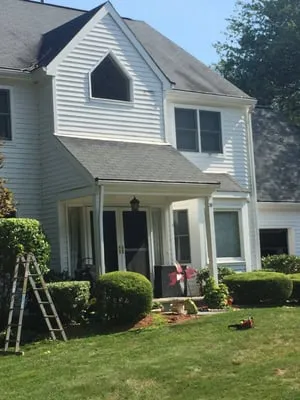
Manuel T Landscaping & Construction serves homeowners in Ossining, NY, by transforming common outdoor challenges into beautiful, functional spaces. We understand local issues like overgrown shrubs and...
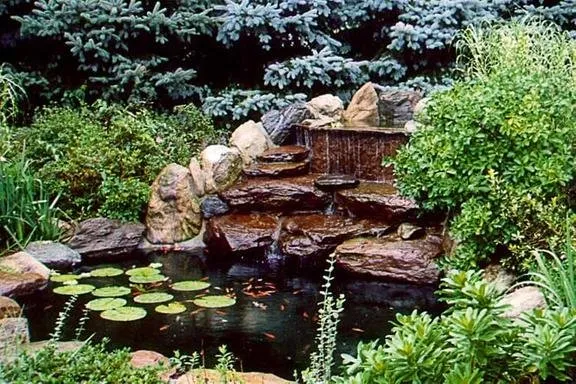
Harry Hudd Architectural Landscapes
For over 60 years, Harry Hudd Architectural Landscapes has been the trusted name for comprehensive landscape and hardscape solutions in Thornwood, NY, and across Westchester County. We specialize in b...
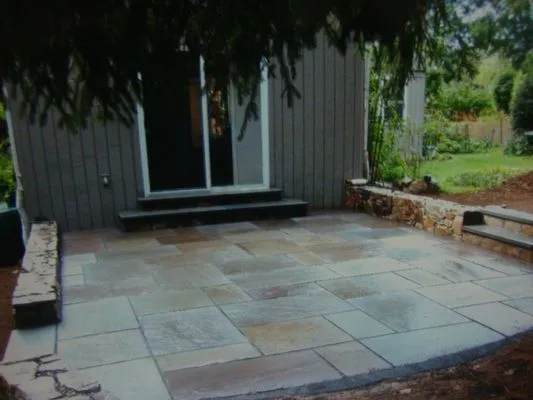
Luis Masonry & Landscaping is a trusted, locally-owned contractor serving the Cortlandt community. We specialize in both hardscape and softscape solutions, tackling common Westchester County issues li...
Crompond Landscaping is a trusted, locally-owned landscaping company serving Cortlandt Manor, NY. We specialize in providing effective, long-term solutions for common local yard problems. We understan...
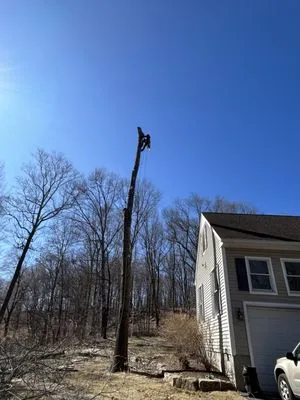
Everything Outdoors is your locally owned and operated partner for tree, excavation, and landscaping services in Cortlandt, NY. As licensed and insured professionals, we provide reliable solutions for...
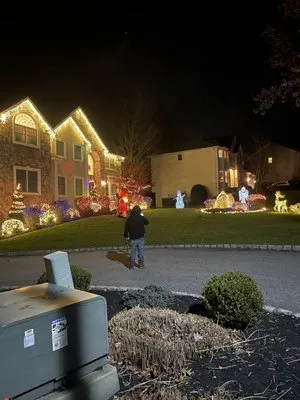
Patrick's Lawn Services is your trusted local expert for a healthier, more beautiful Peekskill property. We understand the common Hudson Valley landscaping challenges, such as standing water that can ...
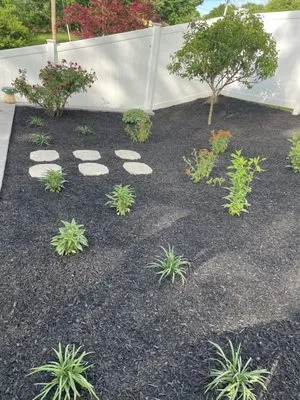
Tapia's Landscaping is a locally owned and operated company serving Yorktown Heights and the greater Westchester area. We bring commitment and expertise to every project, from complete landscape desig...
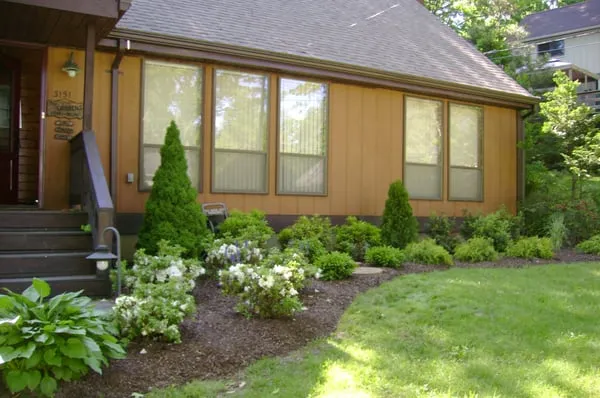
Martino Landscape Contractors
Martino Landscape Contractors is a Yorktown Heights-based landscaping and electrical service company serving Westchester County. We specialize in creating and maintaining healthy, vibrant outdoor spac...
Glinski Tree Service is a trusted, family-owned provider of comprehensive tree and landscape care serving Pleasantville and Westchester County for over four decades. As a licensed and insured local bu...
Estimated Landscaping Service Costs in Yorktown, NY
FAQs
What solutions address seasonal flooding in my yard?
Yorktown's acidic glacial till soil with clay subsoils creates poor infiltration and high seasonal water tables. Installing permeable concrete pavers or bluestone with gravel bases increases surface permeability by 40-60%. These materials meet Yorktown Planning Department runoff standards while directing water away from foundations. French drains connected to dry wells provide additional subsurface management for properties experiencing persistent saturation issues.
How do I maintain my lawn during Yorktown's voluntary water conservation?
Smart Wi-Fi ET-based controllers with soil moisture sensors optimize irrigation by applying water only when evapotranspiration rates indicate need. These systems preserve Kentucky Bluegrass and Fine Fescue blends while reducing water use 20-30% below conventional schedules. Programming follows Yorktown's Stage 1 voluntary conservation guidelines, prioritizing deep, infrequent watering during cooler hours. Soil sensors prevent irrigation during rainfall events, further conserving municipal water resources.
What permits and licenses are needed for landscape grading work?
Grading on 0.50-acre lots in Yorktown requires permits from the Yorktown Planning Department and licensed professionals holding credentials from the New York State Department of State - Division of Licensing Services. State licensing ensures contractors understand erosion control, drainage engineering, and setback requirements specific to Westchester County. Unpermitted grading can trigger violations for altering natural drainage patterns or disturbing protected vegetation. Proper documentation protects property owners during future transactions.
Which patio materials offer durability and safety in our climate?
Bluestone and permeable concrete pavers outperform wood in longevity, with 30+ year lifespans versus wood's 10-15 years in Yorktown's freeze-thaw cycles. These materials support NFPA WUI Guidelines for moderate fire-risk zones by creating defensible space without combustible elements. Proper installation with adequate base preparation prevents heaving and settling common in Zone 6b. Material selection also influences microclimate conditions around structures during extreme weather events.
How should I manage invasive species without harming my lawn?
Japanese knotweed and garlic mustard present significant risks in Yorktown Heights, requiring early identification and mechanical removal before seed set. Treatment avoids phosphorus applications per New York State's Nutrient Runoff Law, using targeted organic herbicides only during approved windows. Manual extraction followed by native plant establishment creates competitive environments that suppress reinvasion. This integrated approach protects soil health while complying with local environmental regulations.
Why does my Yorktown Heights lawn struggle despite regular care?
Yorktown Heights properties built around 1969 have acidic glacial till soil with pH 5.5-6.5 that has matured for 57 years. This soil type develops compaction layers from decades of foot traffic and equipment use, reducing permeability. Core aeration every 2-3 years with organic amendments like composted leaf mold addresses compaction while maintaining appropriate acidity for native plants. The glacial till composition requires specific soil management to support healthy root systems.
How quickly can you respond to storm damage for HOA compliance?
Emergency cleanup crews dispatch from the John C. Hart Memorial Library area via the Taconic State Parkway, arriving within 45-60 minutes during peak conditions. We prioritize electric equipment to comply with Yorktown's 7 AM-7 PM weekday noise restrictions for gas-powered machinery. Our response includes immediate debris removal, safety assessment, and documentation for insurance claims. This approach minimizes disruption while meeting municipal and HOA requirements.
What alternatives reduce maintenance while supporting local ecology?
Replacing high-maintenance turf with Eastern Redbud, Sweet Pepperbush, New England Aster, and Switchgrass creates biodiverse landscapes requiring minimal inputs. These native species thrive in USDA Zone 6b with acidic soils, supporting pollinators while reducing mowing frequency. Electric maintenance equipment operates quietly outside gas-blower restrictions, aligning with evolving noise ordinances. This approach creates resilient landscapes that adapt to changing climate conditions.
