Top Landscaping Services in Yorktown Heights, NY, 10598 | Compare & Call
There are 172 landscaping companies server in Yorktown Heights NY
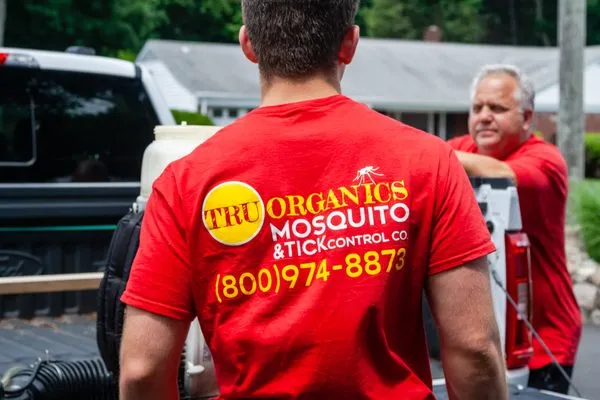
Tru Organics Mosquito & Tick Control
Tru Organics Mosquito & Tick Control was founded in Mohegan Lake by professionals with over 25 years of landscaping and architectural experience serving Westchester and Putnam Counties. Understanding ...
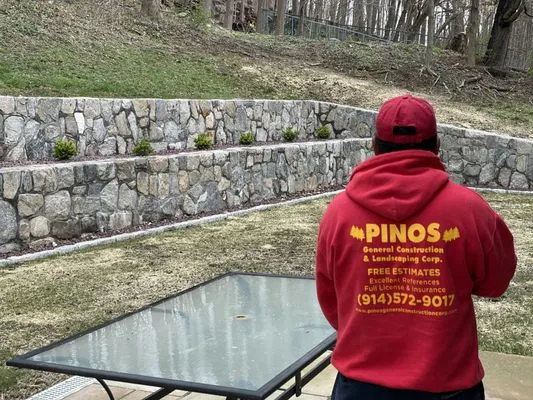
Pinos General Construction and Landscaping
Pinos General Construction and Landscaping is a family-owned business serving Yorktown Heights, NY, with comprehensive masonry, concrete, landscaping, and excavation services. We specialize in everyth...
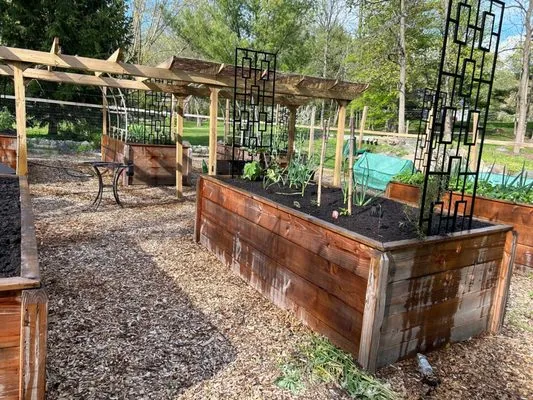
MGO Contractor is your trusted, full-service partner for outdoor living and property enhancement in Buchanan, NY. We specialize in comprehensive solutions for the Hudson Valley's unique landscape chal...
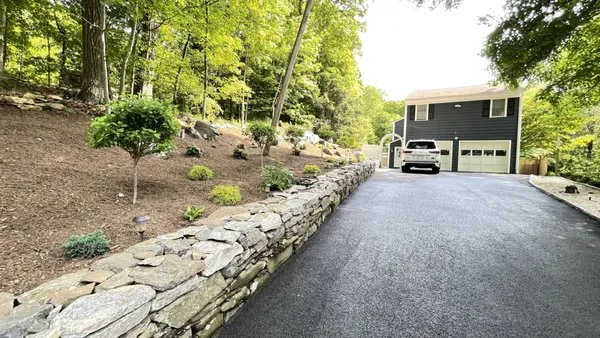
Forever Green Landscape Services Inc. is a locally-owned and operated landscaper based in Mount Kisco, NY, serving the community and surrounding Westchester County since 2012. Our team provides a comp...
Joes Home Imporvements
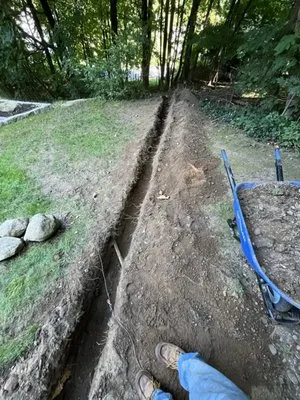
Joe's Home Improvements is a Yorktown Heights-based, family-run operation serving Westchester County. We pride ourselves on hiring skilled, courteous, and local young professionals who treat every hom...
TNT Property Maintenance And Development
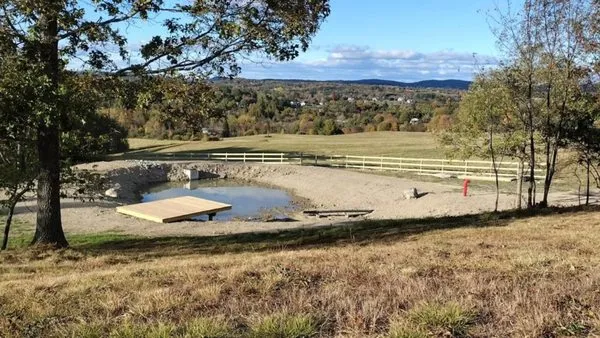
TNT Property Maintenance And Development is a locally owned and operated excavation and property services company serving Carmel Hamlet, NY, with over 40 years of experience. We specialize in excavati...
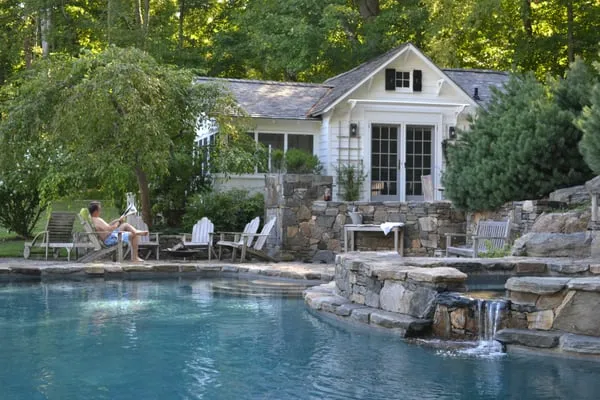
Verdant View is a full-service landscape design firm founded in Waccabuc by New York Botanical Garden-certified horticulturalist Katherine Moreau. With decades of experience in the Lower Hudson Valley...
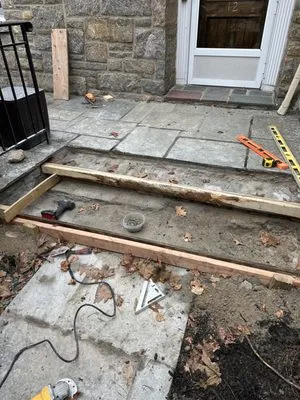
Mahopac Scapes began as a small, trusted service in 2006, starting with just five client referrals from a friend. Today, the business serves over 100 clients annually, with the vast majority of new pr...
Androsko Landscape Contractors is a family-owned business deeply rooted in Yorktown Heights. Founded in 1974 by lifelong resident Mike Androsko, the company grew from a family lawn care operation into...
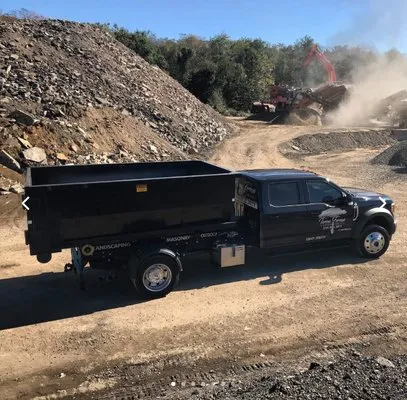
Terra Ferma Carting is a family-owned refuse removal and landscaping company serving Armonk and Westchester County since 2001. Founded by Oscar Vargas, we specialize in dumpster rentals, junk removal,...
Estimated Landscaping Service Costs in Yorktown Heights, NY
FAQs
Are bluestone patios practical for Yorktown Heights' climate?
Bluestone's density and low porosity make it superior to wood for longevity in USDA Zone 6b. Its thermal mass moderates temperature fluctuations while providing stable footing. In Moderate Fire Wise rated areas, non-combustible hardscape materials create defensible space when properly spaced from structures. Permeable installation methods meet runoff requirements while preventing frost heave damage common in glacial till soils.
Can I maintain Kentucky Bluegrass during voluntary water conservation?
Smart Wi-Fi ET-based controllers optimize irrigation by using local evapotranspiration data. These systems adjust watering based on weather conditions, reducing usage 20-30% while preserving turf health. In Stage 0 voluntary conservation, deep, infrequent watering encourages deeper root growth. Programming for early morning cycles minimizes evaporation loss while meeting municipal water guidelines.
What permits and licenses are needed for landscape grading work?
The Yorktown Building Department requires grading permits for soil movement exceeding 10 cubic yards on 0.50-acre lots. Westchester County Department of Consumer Protection mandates licensing for contractors performing earthwork affecting drainage patterns. Professional certification ensures compliance with NY State's phosphorus application regulations and proper erosion control during projects. Unlicensed grading can violate municipal codes and create long-term drainage liabilities.
What invasive species should I watch for in my 0.50-acre property?
Japanese knotweed and garlic mustard present significant threats in Westchester County's acidic soils. Manual removal before seed set in early spring prevents spread without chemical intervention. NY State's phosphorus prohibition on established turf means selective herbicide applications require professional certification. Regular monitoring during April-May mulching season helps identify new infestations before they establish.
How quickly can you respond to storm damage for HOA compliance?
Emergency cleanup crews dispatch from the John C. Hart Memorial Library area via Taconic State Parkway. With 20-30 minute peak response times, we prioritize safety hazards like downed limbs blocking driveways. Electric equipment operates within Yorktown's 8:00 AM to 8:00 PM noise ordinance window. Documentation for HOA compliance includes timestamped arrival photos and debris volume estimates.
What solutions work for seasonal drainage saturation in my yard?
Acidic glacial till's dense composition exacerbates high water table issues in spring. Permeable concrete pavers or bluestone installations increase surface infiltration by 40-60% compared to traditional materials. The Yorktown Building Department requires runoff management plans for hardscape projects exceeding 100 square feet. French drains with clean stone aggregate provide subsurface relief for chronically wet areas.
How can I reduce maintenance while supporting local ecology?
Transitioning turf areas to native plantings like Eastern Redbud and Switchgrass decreases mowing frequency and eliminates gas blower use. Purple Coneflower and Swamp Milkweed support pollinator populations while requiring minimal irrigation. This approach aligns with municipal limitations on gas-powered equipment and reduces seasonal maintenance by 50-70%. Established native plantings develop deep root systems that improve soil structure over time.
Why does my Yorktown Heights lawn struggle despite regular care?
Yorktown Heights Center properties built around 1950 have 76-year-old soil systems. Acidic glacial till with pH 5.5-6.5 becomes compacted over decades, reducing permeability and root penetration. Core aeration every 2-3 years with organic amendments like composted leaf mold addresses this historical compaction. This improves soil structure for better water infiltration and nutrient availability in established landscapes.
