Top Landscaping Services in Wyandanch, NY, 11704 | Compare & Call

The Gridiron Co. in Wyandanch, NY, is a full-service contractor specializing in construction, painting, landscaping, and property development for both residential and commercial clients. Our team brin...
Arciles General Contracting has been a trusted provider of home improvement and contracting services in Wyandanch, New York, for over two decades. As a fully licensed and insured local business, we br...
Ruben Landscaping & Design is a trusted local landscaping company serving Wyandanch, NY, and surrounding areas. Specializing in landscape maintenance and lawn care, we help homeowners tackle common lo...
Luis Landscaping is a family-owned and operated business serving Wyandanch and the surrounding communities for over 20 years. It all started with a father's vision and a pickup truck, growing into a t...
Ugly Dog is a Wyandanch-based landscaping company dedicated to solving common local yard problems. Many homes in our area deal with storm debris cleanup and standing water issues after heavy weather, ...
Fuentes Landscaping is a trusted local landscaping company serving Wyandanch, NY, with comprehensive outdoor care solutions. We specialize in landscape maintenance, lawn care, and expert shrub and tre...
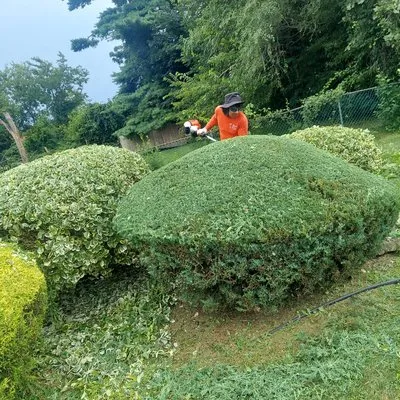
M Canales Landscaping is a trusted local landscaping company serving Wyandanch, NY, and the surrounding communities. We specialize in addressing common local landscaping challenges, particularly overg...
Edwards Landscaping Home Improvement is a trusted local landscaping company serving Wyandanch, NY, and the surrounding areas. We specialize in addressing common landscaping challenges faced by homeown...

Brick & Green Landscaping Designs & Construction
Brick & Green Landscaping Designs & Construction is a Wyandanch-based landscape architecture and design firm specializing in creating functional, beautiful outdoor spaces for local homeowners. We unde...
Arelis Landscaping is your trusted neighbor for outdoor solutions in Wyandanch, NY. We understand the common local headaches homeowners face, like sudden sprinkler leaks that waste water and money, or...
Common Questions
With Stage 1 water conservation in effect, how do I keep my lawn green without wasting water?
Smart Wi-Fi ET-based irrigation systems are calibrated for Suffolk County's voluntary conservation stage. These controllers use local weather data to apply water only when evapotranspiration rates demand it, matching the needs of your Kentucky Bluegrass and Fine Fescue blend. This technology prevents overwatering, which is critical given your soil's high permeability. It ensures efficient use within municipal guidelines while maintaining turf health.
I want to regrade my backyard. What permits and contractor credentials should I verify?
Regrading a 0.15-acre lot often requires a permit from the Town of Babylon Planning & Development, especially if it alters water flow to adjacent properties. You must hire a contractor licensed by the New York State Department of State (Division of Licensing Services) for home improvement work. This ensures they carry the required insurance and bonding, protecting you from liability for improper drainage or structural damage.
Are permeable pavers a better long-term choice than a wooden deck for my patio?
For longevity and low maintenance in Wyandanch's climate, permeable concrete pavers significantly outperform wood. They do not rot, warp, or require chemical treatments, and their permeability manages stormwater on-site. While the Low Fire Wise rating is not a primary driver here, the non-combustible nature of pavers does contribute to defensible space, an added benefit over combustible wood structures.
I'm tired of weekly mowing and gas blower noise. Is there a lower-maintenance, quieter option?
Transitioning high-maintenance turf areas to a native plant community is a forward-looking solution. Species like Little Bluestem, Butterfly Milkweed, and Sweet Pepperbush are adapted to Zone 7b and require no mowing, minimal water, and support local biodiversity. This xeriscaping approach reduces reliance on gas-powered equipment, aligning with evolving noise ordinances and creating a resilient, ecologically functional landscape.
Water pools near my foundation, but I've heard our sandy soil drains well. What's the issue?
While acidic sandy loam has high permeability, improper grading or compacted layers can cause surface water to sheet flow and pool. The solution integrates grading with subsurface solutions like dry wells or infiltration trenches. Using permeable concrete pavers for any new hardscapes will further manage runoff, a practice that aligns with Town of Babylon Planning & Development standards for reducing impervious surface contribution.
My yard's soil seems thin and drains too fast. Is that just how it is in Wyandanch?
Properties in Wyandanch Village, typically developed around 1980, have acidic sandy loam soils with a pH of 5.5-6.2. Over 45+ years, this soil profile has matured but remains low in organic matter and prone to nutrient leaching. The coarse texture leads to rapid percolation, which can stress turfgrass. A core aeration and amendment program using composted organic matter is the standard correction to improve water retention and soil biology.
I need an emergency storm cleanup to meet an HOA deadline. How fast can a crew get here?
For an emergency response from our central dispatch, a crew would route from the Wyandanch LIRR Station via the Southern State Parkway. During peak traffic conditions, anticipate a 45-60 minute arrival window. We prioritize these calls with electric equipment to comply with local noise ordinances, allowing work to begin promptly upon arrival within the 7 AM to 7 PM window for necessary gas-powered operations.
I see invasive vines taking over. How can I deal with them without using restricted fertilizers?
Common invasive species like Japanese knotweed or oriental bittersweet require targeted mechanical removal or approved herbicide applications. It is crucial to schedule this outside the Suffolk County Nitrogen Reduction ordinance blackout period (Nov 1 - April 1) if any soil amendments are involved. Post-removal, replanting with aggressive native species like New England Aster can help outcompete any returning invasives and restore ecological balance.
