Top Landscaping Services in Westmoreland, NY, 13323 | Compare & Call

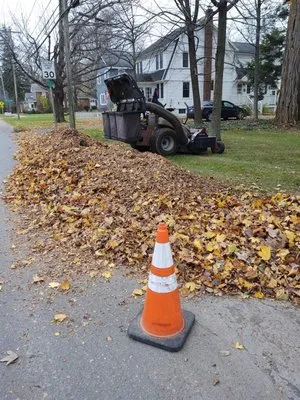
Newman Landscaping and Excavating has been serving Westmoreland and the broader central New York region for over 25 years. As a local property maintenance company, we specialize in comprehensive lands...
Blair Landscaping
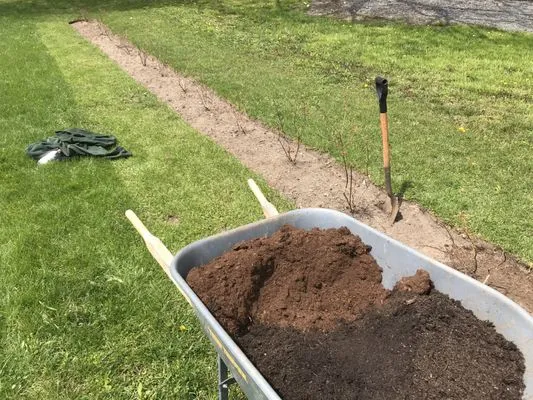
Blair Landscaping, based in Westmoreland, NY, is a locally owned and operated landscaping service founded in 2021. We specialize in garden design, landscape maintenance, and comprehensive landscaping ...
New Perspective Landscaping
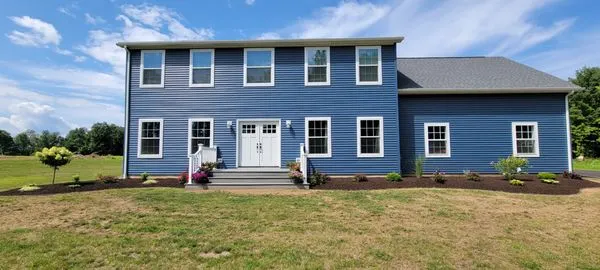
New Perspective Landscaping is a fully insured, BBB-accredited landscaping company serving Westmoreland, NY, and surrounding areas since 2020. We specialize in comprehensive landscape solutions, inclu...
A+ Landscaping is a Westmoreland-based landscaping company dedicated to enhancing and maintaining outdoor spaces for local homeowners. We specialize in comprehensive solutions that address common regi...
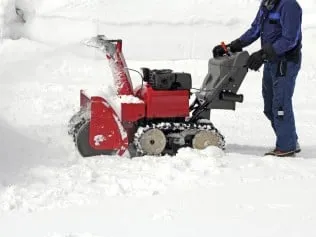
Creative Landscaping has been serving Westmoreland, NY since 2004, bringing over 35 years of industry experience to every project. We focus on building lasting relationships with our customers through...

Pick's Lawn Mowing and Landscaping Service is your trusted local expert for maintaining Westmoreland's beautiful yards. We understand the unique challenges homeowners face here, from landscape edging ...
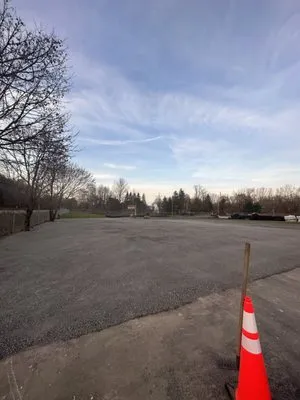
Masi Sand And Gravel has been a trusted Westmoreland, NY contractor for over a decade, specializing in excavation, landscaping, and septic services. We handle everything from soil backfilling and land...
FAQs
Is bluestone or a composite paver better for a new patio that will last?
Both bluestone and quality manufactured concrete pavers are durable choices for our climate. Bluestone offers a natural, irregular aesthetic but requires periodic sealing. Permeable concrete pavers provide superior stormwater management, a key consideration given local drainage hazards. For longevity and low maintenance, pavers with a solid base and proper edge restraint are recommended. In areas of even moderate Wildland-Urban Interface risk, non-combustible hardscapes like these also contribute to defensible space, a prudent safety measure.
What are lower-maintenance alternatives to my traditional lawn that support local wildlife?
Transitioning sections of high-input turf to a native plant palette is a forward-thinking strategy. Species like Common Milkweed, New England Aster, and Joe-Pye Weed are adapted to Zone 5b and our soil pH, requiring minimal irrigation once established and no chemical fertilizers. This creates habitat for pollinators and reduces long-term maintenance noise and costs. Incorporating an Eastern Redbud as a small tree adds seasonal interest. This approach aligns with evolving municipal noise ordinances that increasingly restrict gas-powered blowers and mowers.
How quickly can you respond for an emergency storm cleanup to meet HOA deadlines?
Our standard emergency dispatch for the Westmoreland Village area operates from a central hub near the Westmoreland Town Park. Using the I-90 (New York State Thruway) corridor, our electric fleet can typically reach most local properties within the 20-30 minute peak response window. This allows for rapid debris clearing, branch removal, and site stabilization to ensure safety and compliance with neighborhood covenants, even after significant weather events.
Why does my lawn in Westmoreland Village have drainage issues and poor soil?
Properties built around 1938, common in this neighborhood, have had nearly 90 years of soil maturation. The underlying acidic silt loam (pH 5.8-6.5) has been compacted over decades by foot traffic and maintenance equipment, reducing its permeability. This compaction, combined with the region's seasonal high water table, creates a classic infiltration problem. Annual core aeration and the incorporation of compost are essential to rebuild soil structure, increase organic matter, and improve drainage for healthier turf and planting beds.
How should I deal with invasive weeds like Japanese Knotweed without using restricted fertilizers?
Invasive species control must be deliberate and compliant with the New York State Non-Agricultural Fertilizer Law, which prohibits phosphorus application and has specific seasonal blackout dates. For perennial invasives, targeted, foliar-applied systemic herbicides in late summer or fall are often most effective, applied by licensed professionals. For broader soil health, we focus on building robust, competitive plant communities with organic amendments to outcompete weeds. Always correctly identify the species before any treatment plan.
How can I keep my Kentucky Bluegrass lawn healthy without wasting water?
Despite no formal water restrictions, conservation is critical. Smart Soil-Moisture Sensor (SMS) controllers are the most effective tool for your turf mix. These devices bypass scheduled watering when soil moisture is adequate, applying water only during actual plant need based on evapotranspiration (ET) rates. This prevents overwatering, which exacerbates our area's poor infiltration, and promotes deeper root growth. Properly calibrated SMS systems can reduce potable water use by 20-40% while maintaining turf health.
What's the best solution for a perpetually soggy yard in Westmoreland?
The combination of acidic silt loam and a high water table requires a multi-pronged approach. First, address surface grading to direct water away from foundations. For new hardscapes, specify permeable manufactured concrete pavers or open-joint bluestone installations, which increase infiltration and can help meet Town of Westmoreland stormwater management guidelines. Subsurface solutions like French drains or dry wells may be necessary for severe cases, moving excess water to areas where it can percolate without causing damage.
What permits and contractor qualifications are needed for regrading my half-acre lot?
Significant grading on a 0.45-acre property often requires a permit from the Town of Westmoreland Planning & Zoning Department, especially if it alters stormwater flow patterns or involves significant cut and fill. New York State law requires landscaping contractors performing such work to be licensed through the Department of State Division of Licensing Services. Hiring a licensed professional ensures the work complies with erosion control standards, protects adjacent properties, and avoids costly violations. Always verify licensing and insurance before work begins.
