Top Landscaping Services in Westbury, NY, 11590 | Compare & Call

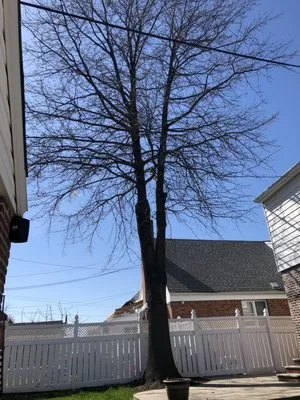
Clearview Tree and Land Corp is a Westbury-based, family-owned and operated company providing professional tree care and landscaping services to Nassau County and the greater NYC area since 1991. Our ...
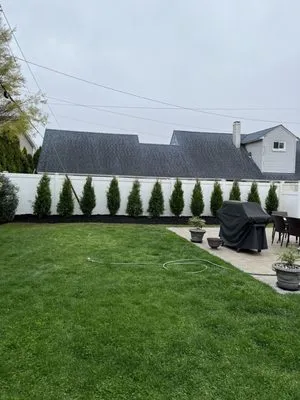
J & R Custom Landscaping
For over 40 years, J & R Custom Landscaping has been a trusted family name in Westbury, NY. Founded by Michele D'Alessandro and now operated by his sons Mario, Gianni, and Giacomo, the business is bui...
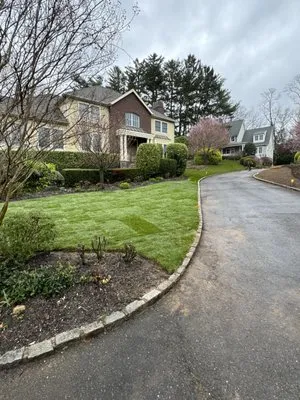
J Rubio Landscaping is a trusted, locally-owned landscaping company serving Westbury, NY, and the surrounding communities. We understand the specific challenges homeowners in our area face, such as pe...
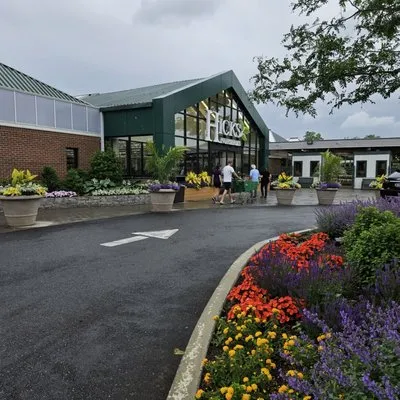
Hicks Nurseries
Founded in 1853, Hicks Nurseries is rooted in the long-standing horticultural legacy of the Hicks family, who have been farming on Long Island since the 1600s. As Long Island's premier garden center, ...
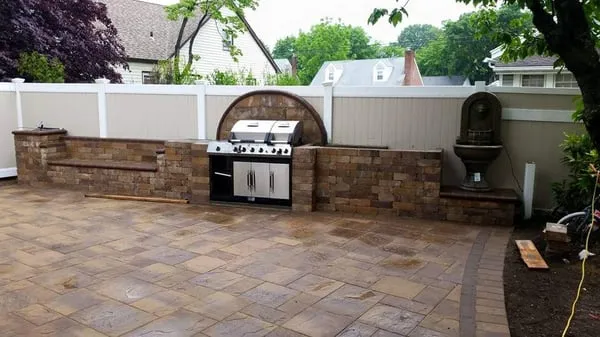
Jose Landscaping & Construction
Jose Landscaping & Construction is a trusted, full-service landscaping company serving Westbury, NY, and the surrounding Long Island communities. We specialize in transforming outdoor spaces with comp...
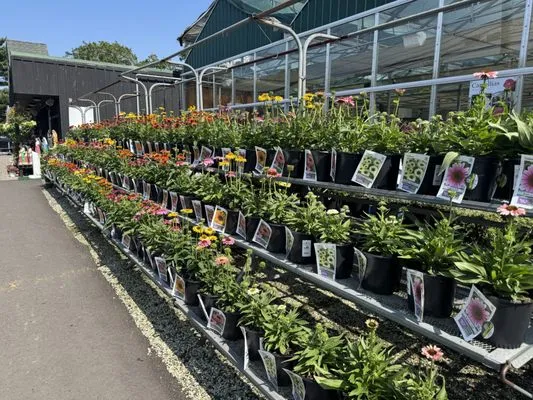
Zaino's Nursery & Garden Center
Zaino's Nursery & Garden Center is a family-owned institution in Westbury, serving Long Island and NYC for over 50 years. We've grown from a lifelong dream into a trusted local resource, offering a di...
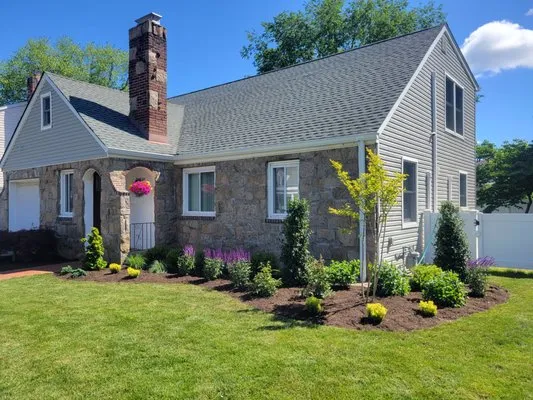
Louis Zaino is a trusted, full-service landscaping company serving Westbury, NY. We specialize in transforming and maintaining residential and commercial properties with a comprehensive range of servi...
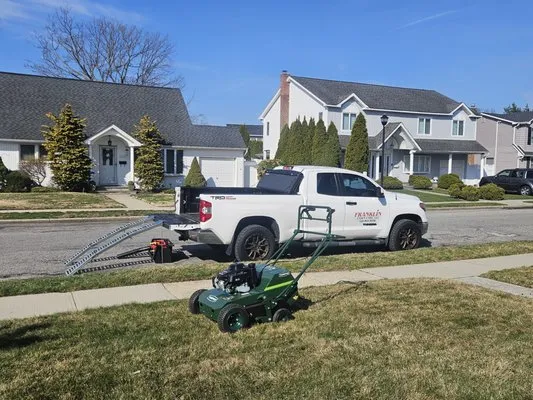
Franklin Lawn Care is a family-owned lawn care and pest control provider serving Westbury and the surrounding area. Founded on decades of hands-on experience and a strong family tradition in landscapi...
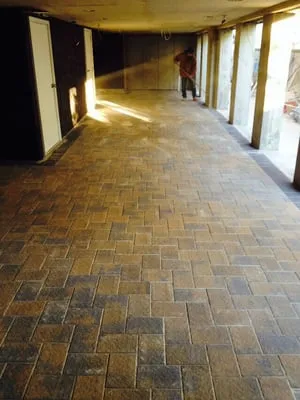
Creative Contracting, founded in 2005 by owner Pravit 'Junior', is a trusted masonry and concrete contractor serving Westbury, Nassau County, and the surrounding New York area. Junior built the compan...
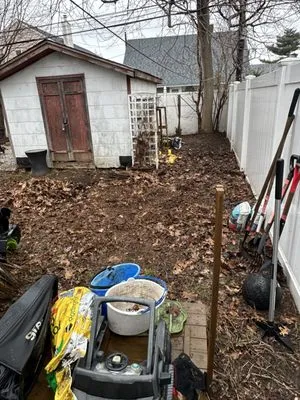
Three Leaf Landscaping is a family-owned business in Westbury, NY, founded by Sam and his father Ramon, who brings over 30 years of experience. They offer comprehensive landscaping, masonry/concrete, ...
Frequently Asked Questions
Why does my Westbury Gardens lawn have drainage issues and compacted soil?
Westbury's 1970s-era construction means soil has matured for 56 years, developing a dense layer from decades of foot traffic and equipment use. The slightly acidic sandy loam common in this neighborhood naturally compacts over time, reducing permeability to 0.5 inches per hour. Core aeration every 2-3 years with organic amendments like composted leaf mold addresses this by improving soil structure and increasing water infiltration by 30-40%.
How do I control invasive species without violating fertilizer regulations?
Japanese knotweed and mugwort require targeted glyphosate applications during active growth phases, avoiding New York State's phosphorus prohibition. Treatment windows occur before native plants emerge in early spring or after dormancy in late fall. Mechanical removal followed by solarization with clear plastic for 6-8 weeks provides chemical-free control while restoring soil biology with mycorrhizae inoculants.
How quickly can you respond to emergency storm damage for HOA compliance?
Emergency cleanup crews dispatch from The Space at Westbury via Northern State Parkway, arriving in Westbury Gardens within 20-30 minutes during peak conditions. Our electric fleet operates within noise ordinance restrictions (8am-6pm) while providing immediate debris removal. We prioritize safety hazards like downed limbs over aesthetic concerns, with full site assessment completed within the first hour of arrival.
What permits and licenses are needed for grading work on my 0.15-acre lot?
Grading exceeding 50 cubic yards requires a Village of Westbury Building Department permit with engineered drainage plans. Contractors must hold Nassau County Office of Consumer Affairs licensing for earthwork operations, ensuring proper bonding and insurance coverage. Professional landscape architects certified in erosion control should design systems handling the property's 2,000+ square feet of impervious surface to prevent runoff violations.
Are concrete pavers better than wood for Westbury's climate and fire safety?
Concrete pavers and bluestone offer 30+ year lifespans versus wood's 10-15 years in Westbury's freeze-thaw cycles. These materials maintain structural integrity with minimal maintenance while providing non-combustible defensible space important for Low Urban Interface fire ratings. Proper installation with polymeric sand joints prevents weed intrusion and maintains permeability for stormwater management compliance.
What are alternatives to high-maintenance turf that reduce equipment noise?
Replacing 30-50% of traditional turf with native plantings like Eastern Redbud, New England Aster, and Butterfly Weed reduces mowing frequency by 40-60%. This transition ahead of gas-blower restrictions creates habitat corridors while cutting fuel consumption. Electric maintenance equipment operates below 65 decibels, complying with noise ordinances while providing equivalent performance for the remaining turf areas.
How do I maintain my Kentucky Bluegrass lawn during Stage 1 water restrictions?
Wi-Fi ET-based weather sensing controllers adjust irrigation schedules daily using evapotranspiration data from local weather stations. These systems reduce water use by 25-35% while preserving turf health by delivering 1-1.5 inches weekly during peak growing season. Programming follows municipal guidelines with deep, infrequent watering cycles that encourage deeper root growth and drought tolerance in Westbury's Zone 7b climate.
What solutions work for moderate runoff in Westbury's high water table areas?
Localized depressions in Westbury Gardens require French drains or dry wells to manage moderate runoff from the high water table. Permeable concrete pavers with 0.25-inch joint spacing achieve 5-7 inches per hour infiltration rates, meeting Village of Westbury Building Department standards. Grading adjustments of 2% slope away from foundations combined with rain gardens planted with Switchgrass provide additional capacity during heavy precipitation events.
