Top Landscaping Services in West Hills, NY, 11743 | Compare & Call
There are 201 landscaping companies server in West Hills NY
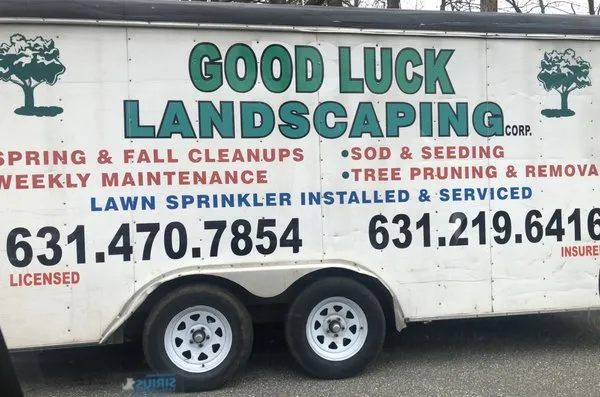
Good Luck Landscaping is a trusted local landscaping company serving homeowners in Huntington Station, NY. We specialize in solving the common and frustrating landscaping issues that arise in our comm...
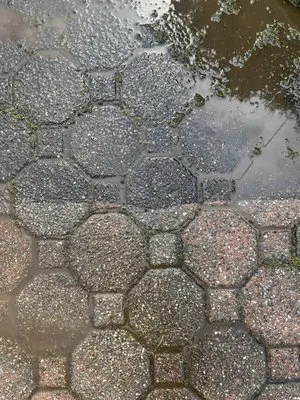
C&A Landscaping is a trusted local landscaping company serving Melville, NY, and surrounding areas. We specialize in comprehensive landscape maintenance, expert tree care services, and professional pr...

D'Agostino Landscape Service is a trusted, family-owned landscaping company serving Syosset and the surrounding North Shore communities. For years, we've helped local homeowners maintain beautiful, he...
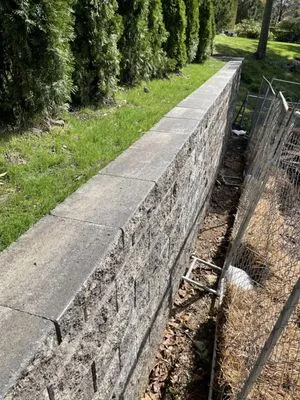
Lanese Landscaping is a licensed landscape construction contractor serving Oyster Bay and the North Shore of Nassau County for over 28 years. Owner Mark Lanese brings his extensive hands-on experience...
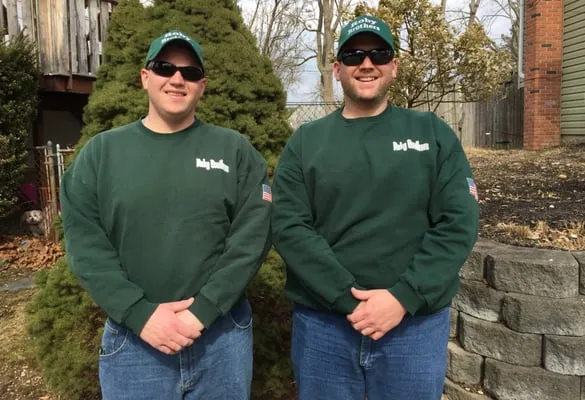
Roby Brothers Property Management is a Northport-based landscaping company built on family values and local roots. Founded by four brothers who started by mowing neighbors' lawns as kids, the business...
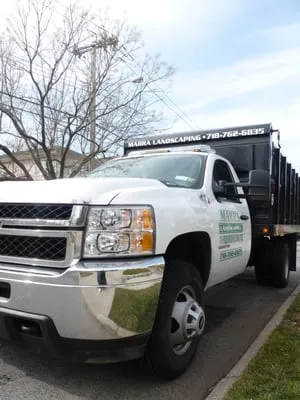
Marra Landscaping is a Melville-based landscaping company dedicated to enhancing outdoor spaces for residential and commercial clients throughout the Long Island area. With a comprehensive range of se...

Main Street Nursery
For nearly 50 years, Main Street Nursery has been a cornerstone of the Huntington community, offering expert gardening and landscaping services from its historic 1850s home. Founded in 1975 and owned ...
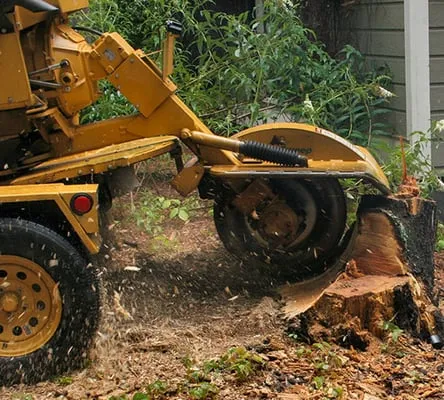
Bautista Landscaping is a Huntington Station, NY-based landscaping company with over 21 years of experience, specializing in masonry/concrete, tree services, and comprehensive landscaping. Led by owne...

3 Brother’s Lizama Landscaping is a trusted, family-owned landscaping company serving Huntington Station and the surrounding Long Island communities. They specialize in addressing common local challen...
Laurel Group
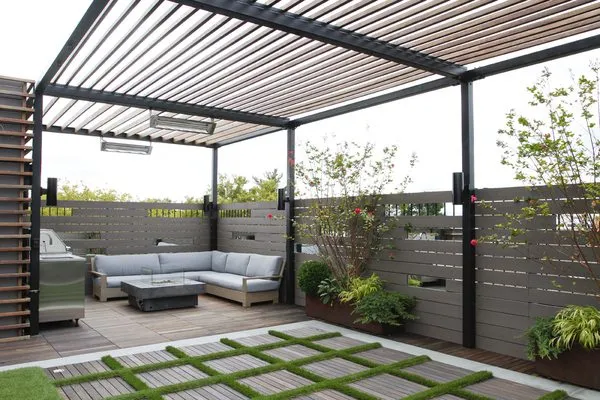
The Laurel Group is a comprehensive landscape design/build firm serving Huntington, NY, and surrounding areas since 1993. Founded by Mark, who holds a horticulture degree from the University of Delawa...
Estimated Landscaping Service Costs in West Hills, NY
Common Questions
What should I do about invasive vines without using harsh chemicals?
For invasive species like English ivy or porcelainberry, manual removal is most effective outside of the Suffolk County nitrogen fertilizer blackout period (Dec 1 - Apr 1). Cut vines at the base and carefully remove root systems. For persistent perennials, a targeted, professional-grade glyphosate application to the cut stem in late fall is a minimal-volume option. Always prioritize soil health by replanting the area with aggressive native groundcovers to prevent reinfestation.
What permits and credentials should I verify before hiring for a major grading project?
Any significant grading or earthwork on a 0.50-acre lot requires verification of a Home Improvement Contractor license from the NY State Department of State. The contractor must also file a soil erosion and sediment control plan with the Town of Huntington Planning Department if the disturbed area exceeds thresholds. This ensures compliance with local codes and protects you from liability related to runoff or improper drainage alterations on your property.
Are bluestone patios a good choice for our area compared to wood decks?
Bluestone and permeable concrete pavers offer superior longevity and require less maintenance than wood, which decays and requires sealing. In West Hills' Moderate Fire Wise rating zone, these non-combustible materials also contribute to defensible space when used within 30 feet of the home. Their permeability aids in managing the site's stormwater, a key design consideration that aligns with modern landscaping infrastructure standards.
How quickly can a crew respond for an emergency cleanup after a storm?
For an HOA compliance or emergency debris situation, a crew dispatched from the West Hills County Park area can typically reach West Hills Estates via the Northern State Parkway within 45-60 minutes during peak traffic. We prioritize electric-powered equipment for immediate deployment to comply with local noise ordinances, allowing work to begin promptly upon arrival without violating restricted hours for gas-powered tools.
Why does my lawn look tired and compacted compared to others in West Hills Estates?
West Hills Estates lots were developed around 1959, giving the soil approximately 67 years to mature. The prevalent acidic sandy loam, with its fine texture, is prone to compaction from decades of foot traffic and mowing. This reduces soil percolation and oxygen availability to roots. Core aeration in early fall, followed by top-dressing with compost, is critical to rebuild soil structure and counteract this natural densification.
My yard has soggy spots every spring. What's a permanent solution?
Moderate seasonal saturation is common in low-lying areas of properties with acidic sandy loam, which can have a restrictive layer. Integrating permeable concrete pavers for patios or walkways creates subsurface drainage channels. For severe depressions, a French drain system tied to a dry well may be required. These solutions manage runoff on-site, which is increasingly favored by the Town of Huntington Planning Department to reduce watershed loading.
Is there a lower-maintenance alternative to my weekly-mowed lawn?
Transitioning perimeter areas to a xeriscape of native plants like Eastern Redbud, Sweet Pepperbush, and Little Bluestem drastically reduces water, mowing, and chemical inputs. These plants are adapted to Zone 7b and our soil pH, requiring minimal care once established. This shift also future-proofs your property against evolving noise ordinances that restrict gas-powered blowers and mowers, moving you toward a quieter, electric-maintenance landscape.
Will my Kentucky Bluegrass lawn survive under Stage 1 water conservation rules?
Yes, with precise management. Smart Wi-Fi ET-based controllers are essential; they adjust watering schedules daily based on local evapotranspiration data and soil moisture. This technology applies water only when the turfgrass blend truly needs it, preventing overwatering. This method maintains turf health while keeping usage well within voluntary conservation limits, and it directly supports Suffolk County's long-term water resource goals.
