Top Landscaping Services in Water Mill, NY, 11968 | Compare & Call


Lawn Doctor Of The Hamptons is a locally owned and operated lawn care and pest control provider serving Water Mill and the surrounding East End communities. For over 15 years, our team has built trust...

For over 25 years, Garden Angels has been the Hamptons' trusted boutique gardening company, serving Water Mill and the surrounding communities. We combine deep horticultural expertise with an eco-cons...

Gardeneering is a full-service landscaping company founded in Water Mill in 1985 by Tish, a passionate horticulturist. Her career began in the local industry before she became a plant buyer, where she...

Barylski Peter Landscapes is a trusted local landscaping company serving Water Mill, NY, and the surrounding Hamptons area. With years of experience in the region, they specialize in addressing common...

Lawn Doctor in Water Mill, NY provides professional landscaping services to maintain and enhance outdoor spaces in our local community. We specialize in comprehensive shrub care including planting, pr...
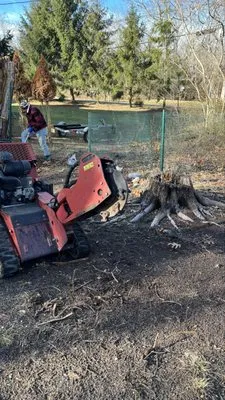
Israel Landscaping and Tree Services is a trusted local provider in Water Mill, NY, specializing in comprehensive landscaping and tree care solutions. With expertise ranging from landscape design and ...

Heirloom Gardens is a full-service landscaping and construction company serving the Water Mill, NY area. We specialize in creating and maintaining beautiful, functional outdoor spaces that are built t...
Stuckart & Squires Landscaping is a trusted, locally-owned landscaping company serving Water Mill, NY. We understand that many homeowners in our area face frustrating and costly issues like sprinkler ...
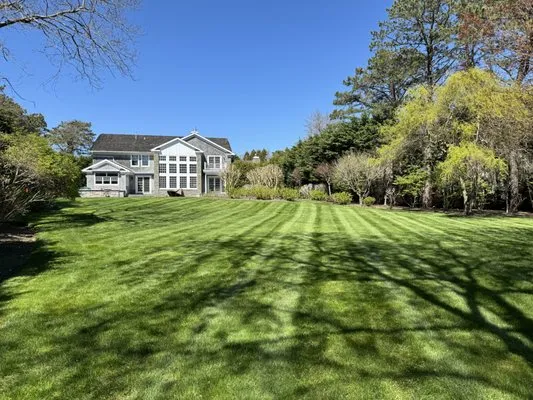
J&E Nursery and Property Management is a trusted local business in Water Mill, NY, specializing in comprehensive lawn care and property management services. We understand the common landscaping challe...

Creative Touch Landscaping
Creative Touch Landscaping is a full-service landscaping and property management company serving Water Mill, NY, and the surrounding Hamptons area. We specialize in transforming outdoor spaces through...
FAQs
A major storm just passed through. How quickly can a crew respond for emergency tree debris cleanup to meet HOA compliance deadlines?
For an emergency cleanup dispatch, our routing from the Water Mill Museum area utilizes NY-27 (Sunrise Highway) for the most direct access to Water Mill North. Under standard post-storm traffic conditions, expect a crew arrival within the 45-60 minute window. We prioritize these calls with our electric-powered equipment fleet, which is exempt from seasonal gas-blower noise restrictions, allowing immediate and compliant work to commence upon arrival to clear driveways and critical sightlines.
My yard drains too quickly after rain, washing away nutrients. What's a long-term solution that also manages runoff?
Your acidic sandy loam has high permeability, which leads to rapid leaching of water and fertilizers below the root zone. The solution integrates soil amendment with strategic hardscaping. Improving the soil's water-holding capacity with organic matter is the first step. For new patios or walkways, specifying permeable cobblestone or ungrouted bluestone allows stormwater to infiltrate on-site, meeting Southampton Town's runoff management standards and recharging groundwater instead of contributing to surface water issues.
What do I need to know about permits and contractor licensing for regrading and drainage work on my 1.5-acre lot?
Any significant alteration of land contours or drainage patterns requires a permit from the Southampton Town Building Department. For a property of this size, the scale of work almost certainly necessitates hiring a licensed professional. In New York, landscape contractors performing such grading and drainage work must hold specific licensing through the NYS Department of State, Division of Licensing Services. Verifying this license protects you by ensuring the contractor carries required insurance and adheres to state-mandated practice standards, which is critical for preventing downstream erosion or drainage complaints.
I want to reduce lawn maintenance and noise. What are my options for replacing turf?
Transitioning to a landscape anchored by eastern Long Island natives like Beach Plum, Little Bluestem, Butterfly Milkweed, and Inkberry Holly is the most effective strategy. These plants are adapted to local soils and climate, requiring minimal supplemental water once established and no chemical inputs. This shift dramatically reduces the need for mowing and, critically, the use of gas-powered leaf blowers, keeping your property compliant with the seasonal noise ordinance while providing superior habitat value and year-round visual interest.
Is bluestone or a wood deck better for a new patio in terms of longevity and fire safety?
In Water Mill's Moderate Coastal WUI (Wildland-Urban Interface) fire risk rating, non-combustible materials are a prudent choice for defensible space. Bluestone or permeable cobblestone provides permanent, zero-maintenance durability that far exceeds the lifespan of wood, which requires constant sealing and is vulnerable to rot and insect damage. A stone patio also eliminates a potential fuel source adjacent to your home, enhancing fire-wise landscaping principles, and its thermal mass can help moderate micro-climate temperatures.
My lawn and garden beds don't seem as healthy as they could be. What's the likely root cause for a property like mine in Water Mill North?
Properties in this neighborhood, typically developed around 1993, have soils approximately 33 years in age. Over this period, the naturally acidic sandy loam has become heavily compacted from standard maintenance, reducing pore space critical for root growth and water infiltration. This compaction, combined with the soil's low organic matter from high permeability and leaching, creates a challenging environment for turf and ornamentals. Core aeration and the incorporation of compost are essential to rebuild soil structure and biology, directly addressing the legacy of decades of use.
I've spotted invasive Japanese Knotweed on my property. How and when should I treat it?
Japanese Knotweed is a severe invasive that requires immediate, targeted action. Professional treatment involves precise herbicide application to the foliage, typically most effective in late summer or early fall. It is imperative to schedule this outside the Suffolk County fertilizer ordinance blackout period (November 1 to April 1) to avoid any conflict with nitrogen restrictions. Repeated treatments over several seasons are often necessary for complete eradication, and all plant material must be disposed of as solid waste to prevent regrowth.
How can I maintain a healthy Kentucky Bluegrass lawn under Southampton's voluntary water conservation guidelines?
The key is precision irrigation management. Smart Wi-Fi ET-based controllers are calibrated to apply water only in the exact amount lost to evapotranspiration, which is particularly effective on sandy soils prone to waste. This technology automatically adjusts for daily weather, preventing overwatering and aligning perfectly with Level 1 conservation goals. For your turf blend, this means deeper, less frequent watering cycles that encourage drought-tolerant root growth while staying well within municipal water use expectations.
