Top Landscaping Services in Wading River, NY, 11792 | Compare & Call
There are 174 landscaping companies server in Wading River NY
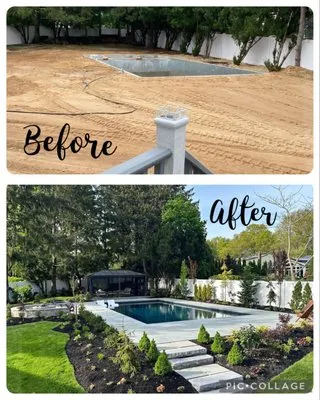
DeLutri Landscaping
DeLutri Landscaping, Inc. is a locally owned and operated full-service landscape company serving Franklin Square, NY, and the greater Long Island area. With over three decades of dedicated experience,...

Port Jefferson
Port Jefferson is a licensed and insured landscaping and construction company serving Nassau and Suffolk counties on Long Island, NY. We specialize in comprehensive landscape design, installation, and...
Proscapes Landscaping is a family-owned business with deep roots in East Patchogue and Suffolk County, founded by master gardener Hugo in 1969. Now under the leadership of his daughter, a horticulture...
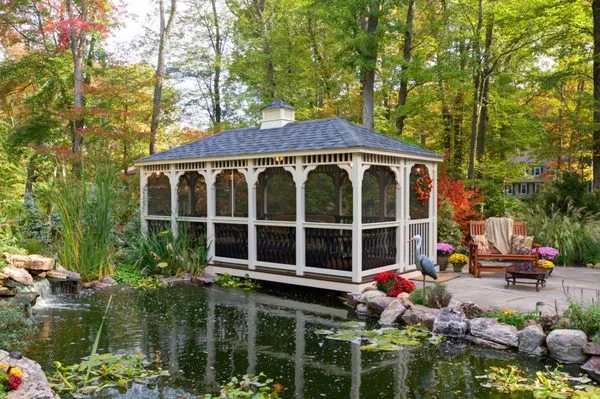
Designscapes of Long Island
For over 35 years, Designscapes of Long Island has been a trusted name in East Patchogue, creating beautiful and functional outdoor spaces across Nassau and Suffolk Counties. Founded in 1985 by Dan St...
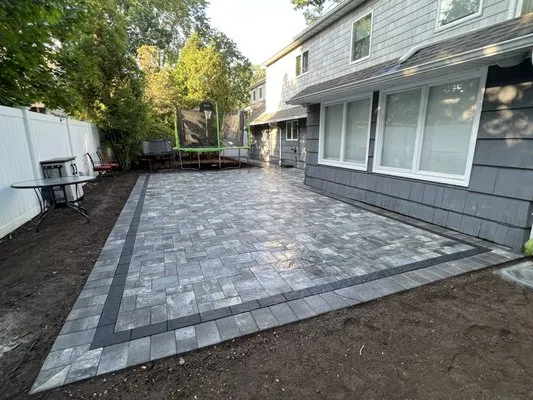
JMM Landscaping & Masonry
JMM Landscaping & Masonry has been a trusted family-owned business in Moriches since 2005, with over 19 years of experience transforming outdoor spaces. We specialize in custom hardscaping and softsca...
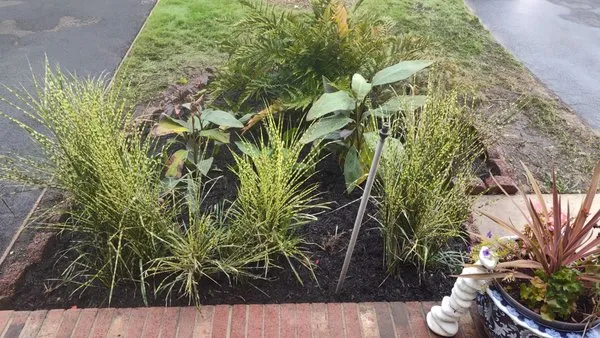
L.I. Bushwackers has been the trusted name for property maintenance in Ridge and Yaphank for over 25 years. Our expertise spans the full cycle of outdoor care, from meticulous lawn mowing and shrub pr...
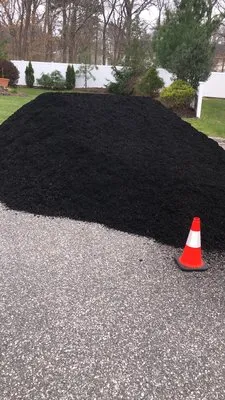
E Lawn Care is your trusted, local lawn and tree service expert in Mastic Beach, NY. We specialize in comprehensive lawn care and professional tree services, from routine maintenance to complex remova...
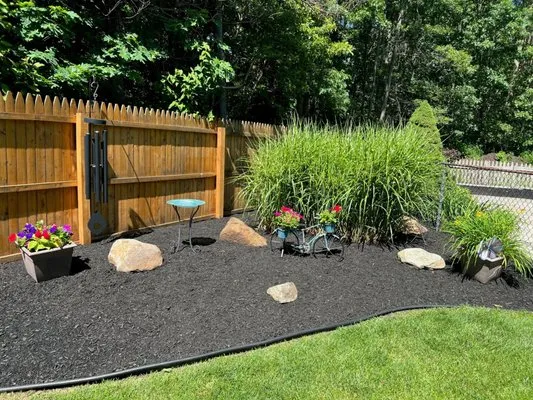
K&N Landscaping is a family legacy rooted in Sayville. Founded by a second-generation landscaper who learned the trade from his father and grandparents, the business is built on a deep understanding o...
Patriot Irrigation is a trusted, locally-owned irrigation and landscaping contractor serving Shirley, NY, and surrounding Suffolk County. We specialize in comprehensive irrigation construction, precis...

Lunar Landscape & Demolition is a locally-owned, woman-operated business serving Mastic Beach and the surrounding communities. With years of hands-on experience, we specialize in transforming properti...
Estimated Landscaping Service Costs in Wading River, NY
Q&A
If a storm drops a large tree limb, how quickly can a crew respond for emergency cleanup in Wading River?
An emergency dispatch for a hazardous limb would prioritize a route from our central staging area, traveling north on NY-25A to the Wading River Village Center. During peak traffic conditions, this results in a 45 to 60-minute response window. Crews coordinate directly with property owners to secure the site upon arrival. All gas-powered equipment operation for such emergencies adheres to the local noise ordinance, restricting work to between 8am and 6pm.
What permits and contractor credentials are needed to regrade and replant our half-acre property?
Significant grading on a 0.50-acre lot typically requires a permit from the Town of Riverhead Building & Planning Department to ensure compliance with drainage and erosion control codes. The contractor must hold appropriate licensing through the New York State Department of State Division of Licensing Services. For projects involving irrigation system installation or modification, a separate Suffolk County Department of Health Services permit may be necessary. Always verify both town permits and state-level licensing before work begins to avoid liability and ensure technical standards are met.
We want to reduce mowing and gas blower noise. What are low-maintenance, native alternatives to turf grass?
Transitioning to a native plant community directly addresses maintenance and noise concerns. A matrix of Little Bluestem grass and Butterfly Weed provides seasonal interest, supports pollinators, and requires no mowing or blowing. Incorporating woody natives like Beach Plum and Eastern Red Cedar adds structure and further reduces maintained area. This xeriscape approach is inherently climate-adaptive, drastically cuts water use, and positions the property ahead of potential tightening restrictions on gas-powered landscape equipment.
How can we keep a Kentucky Bluegrass lawn healthy during summer while following voluntary water conservation?
Smart Wi-Fi ET-based irrigation controllers are the technical solution for Stage 1 conservation. These systems use local evapotranspiration data to apply only the precise water lost to atmosphere, preventing overwatering. For the acidic sandy loam, this means programming multiple short cycles to avoid runoff and ensure deep percolation. This method maintains the fine fescue blend's drought tolerance while keeping total usage well below municipal advisory limits, even during peak ET rates in July and August.
Our yard's soil seems sandy and nothing holds water. Is this typical for older homes in Wading River Village Center?
Properties in the Village Center, built around 1977, have 49-year-old landscapes on Plymouth-Carver Acidic Sandy Loam. This soil naturally has low organic matter and high permeability, leading to rapid nutrient and water leaching. Over decades, compaction from foot traffic and standard maintenance further degrades its structure. Core aeration in early fall and top-dressing with composted leaf mold are essential to build stable aggregates and improve moisture retention in this mature soil profile.
Is a permeable paver patio better than a wood deck for our yard, considering fire safety and longevity?
Permeable concrete pavers offer superior performance in Wading River's moderate Fire Wise rating zone. They provide a permanent, non-combustible surface that contributes to defensible space, unlike wood which is a fuel source. Pavers have a decades-long lifespan with minimal maintenance, resisting the decay and insect pressure common in our climate. Their installation also mitigates the site's drainage hazard by maintaining groundwater recharge, a key ecological benefit over impervious surfaces or raised wooden structures.
Water pools in our yard briefly, then vanishes, washing away fertilizer. What's the fix for this sandy soil?
The described high infiltration and leaching is a classic symptom of unamended Plymouth-Carver sandy loam. The solution is not more drainage, but better water holding and surface management. Grading to eliminate minor depressions and incorporating a 3-inch layer of compost into the topsoil will increase organic content and slow permeability. For new patios or walkways, specifying permeable concrete pavers creates a stable surface that meets Town of Riverhead runoff standards by allowing water to infiltrate on-site.
We have patches of invasive vines and weeds. When and how should we treat them without harming the environment?
For common invasives like Oriental Bittersweet or Mugwort, mechanical removal is the first line of defense. For persistent perennial issues, targeted, spot-applied herbicide in late summer or early fall is most effective when plants are translocating nutrients to roots. Critically, any treatment must comply with the Suffolk County Fertilizer Law, which prohibits nitrogen and phosphorus applications from November 1 to April 1. Always identify the species first, as treatment timing and method are specific to the plant's biology.
