Top Landscaping Services in Villenova, NY, 14138 | Compare & Call

There are 99 landscaping companies server in Villenova NY

Olson Design & Restoration
At Olson Design & Restoration in Buffalo, NY, we bring a lifelong dedication to plants and a deep knowledge of our local environment to every project. Our team combines years of hands-on field experie...
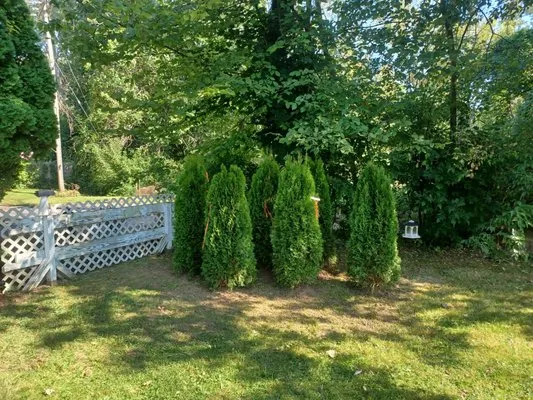
Buffalo Landscape Solutions and Home Services
Buffalo Landscape Solutions and Home Services is a Depew-based, full-service landscaping company dedicated to enhancing and protecting Western New York properties. We specialize in a comprehensive ran...
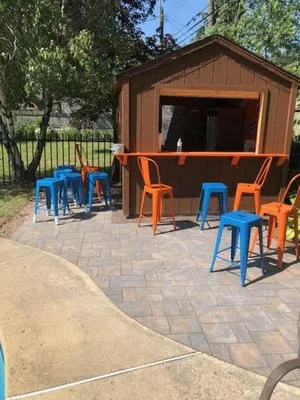
PL Services is a trusted, full-service landscaping and tree care company serving North Tonawanda, NY, and the surrounding communities. We specialize in resolving the common local challenges homeowners...
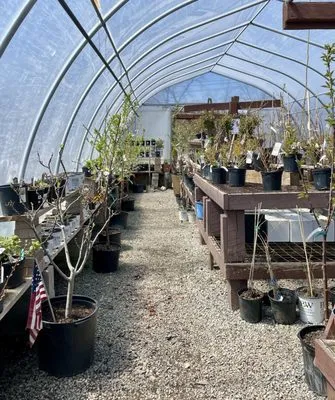
Lincoln Park Nursery
Lincoln Park Nursery is a family-owned and operated nursery and garden center in Amherst, NY, established in 1951. With over 70 years of experience, we specialize in planting and offer a wide range of...

OBrien’s Site Services is your Grand Island, NY partner for comprehensive property care, from foundational earthwork to seasonal maintenance. We specialize in transforming and maintaining outdoor spac...
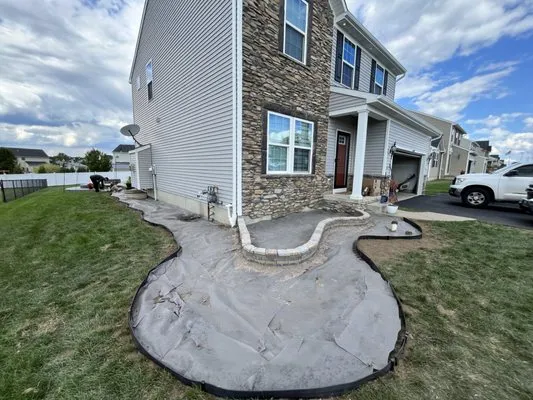
Craig's Cutting Edge is a locally owned and operated landscaping company serving West Seneca and the surrounding areas. Founded by Craig, who started with a single SUV and hand tools, the business has...
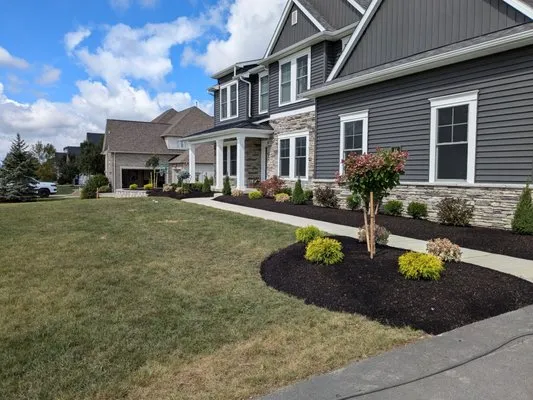
Kielty Landscaping Services
Kielty Landscaping Services is a Buffalo-born business built on a deep connection to the local community. Owner Pat, a lifelong resident of Depew and West Seneca, brings 16 years of hands-on experienc...
A & A Property Maintenance is your trusted local partner in Buffalo, NY, for keeping your home and property in top condition year-round. We understand the common challenges Buffalo homeowners face, li...
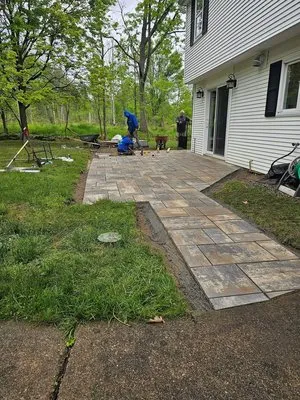
Joey K's Plowing & Landscape Services is a locally owned and operated business serving Irving, Eden, and Hamburg, NY. We specialize in comprehensive landscaping, tree services, and patio coverings, of...
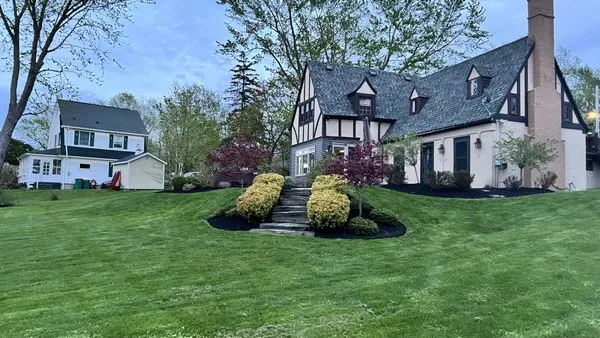
Ferris Lawns & Landscaping
Ferris Lawns & Landscaping is a trusted, full-service landscaping company serving Hamburg, NY and the surrounding communities. We specialize in comprehensive landscape construction, maintenance, and s...
Estimated Landscaping Service Costs in Villenova, NY
FAQs
My yard has persistent puddling after rain. What's a lasting solution for my 0.45-acre lot?
Moderate runoff is common here due to acidic silt loam over a clay-heavy, impermeable subsoil. Solutions focus on improving infiltration and directing water. Installing a French drain or dry creek bed can channel excess water. For new hardscapes, specifying permeable base installations under Pennsylvania Bluestone patios or walkways increases ground absorption and helps meet Radnor Township's stormwater management standards.
I want to reduce mowing and gas equipment noise. What are my options?
Transitioning high-maintenance turf areas to a climate-adaptive xeriscape with native plants is a forward-looking strategy. Species like Eastern Redbud, Switchgrass, Purple Coneflower, and Swamp Milkweed are adapted to Zone 7a, require less water, and need no weekly mowing. This reduces dependency on gas-powered equipment, aligning with evolving noise ordinances and supporting local biodiversity beyond 2026 standards.
What permits and credentials are needed to regrade my sloped backyard?
Regrading a 0.45-acre lot often requires an erosion and sediment control plan approved by the Radnor Township Building & Planning Department. The contractor must hold appropriate licensing from the Pennsylvania Department of Agriculture for landscape construction. This ensures they are bonded, insured, and knowledgeable about state regulations regarding soil disturbance, drainage alterations, and compliance with local ordinances.
Why does my Villanova Heights lawn seem so compacted and thin compared to newer neighborhoods?
Your 1961-era property has soil that is now 65 years mature. This acidic silt loam, typical for the area, has undergone decades of foot traffic and conventional maintenance, depleting organic matter and collapsing soil structure. The resulting compaction limits root growth and water percolation. A core aeration program, combined with adding compost to rebuild organic content, is essential to reverse this long-term degradation and improve soil health.
How quickly can you respond for an emergency storm cleanup to meet HOA compliance deadlines?
For urgent HOA compliance issues like post-storm debris, our dispatch from the Villanova University Campus area allows a peak response time of 25-35 minutes. We route via I-476 (Blue Route) for direct access to Villanova Heights. Our fleet includes electric equipment compliant with local noise ordinances, enabling immediate start upon arrival within the restricted 8AM-6PM window for necessary cleanup operations.
With no active water restrictions, is my current watering schedule efficient for my Kentucky Bluegrass blend?
Even in Stage 0, efficiency is critical. Your Wi-Fi ET-based weather-sensing irrigation system should be precisely calibrated to replace only the water lost to evapotranspiration (ET). This prevents overwatering, which exacerbates runoff in our clay-heavy subsoil and can lead to fungal issues. Proper programming maintains turf health while conserving municipal water, keeping you prepared for potential future restrictions.
Is Pennsylvania Bluestone a better choice than composite wood for a new patio?
Pennsylvania Bluestone offers superior longevity and permeability compared to wood or composites, which can degrade or retain heat. Its mineral composition is non-combustible, contributing to defensible space in line with our Low Fire Wise rating for the urban-suburban interface. A properly installed bluestone patio requires minimal maintenance and provides a permanent, ecologically sound hardscape solution.
What invasive species should I watch for, and how do I manage them safely?
Be alert for invasive plants like Japanese stiltgrass, garlic mustard, and mile-a-minute vine, which thrive in disturbed soils. Management requires a combination of manual removal before seed set and targeted, professional herbicide applications. All treatments must follow the Pennsylvania Nutrient Management Act, avoiding general fertilizer and pesticide applications during blackout dates to protect local waterways from nutrient runoff.
