Top Landscaping Services in Valley Stream, NY, 11536 | Compare & Call

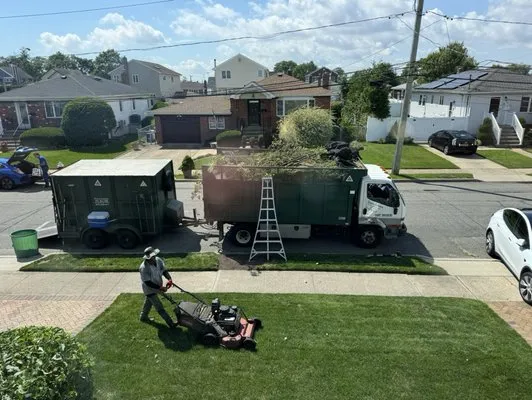
Palmares Landscaping is a locally owned and operated landscaping service proudly serving Valley Stream and surrounding Nassau County communities. Established in 1989, we bring over 25 years of dedicat...
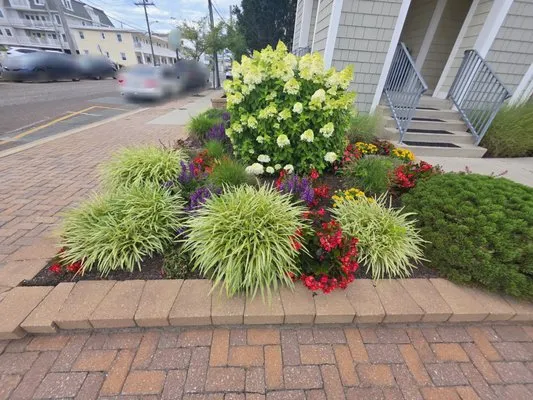
Blossom & Bark Lawn Care
Blossom & Bark Lawn Care is a Valley Stream-based landscaping service dedicated to transforming local properties. We specialize in diagnosing and resolving common Valley Stream lawn issues like patchy...
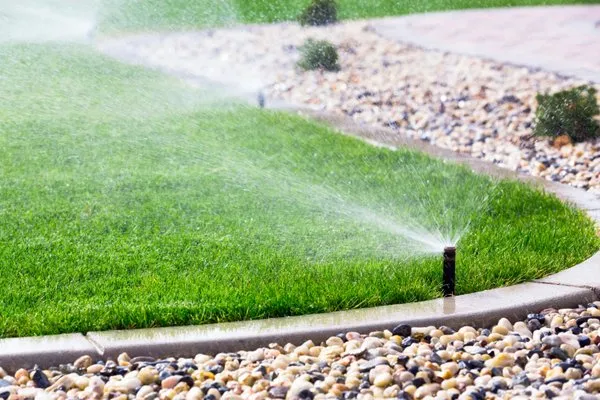
Alvarez Lawn Maintenance
For over 25 years, Alvarez Lawn Maintenance has been the trusted local expert for Valley Stream lawns and landscapes. Our deep roots in the community mean we understand the specific challenges Nassau ...

Ace Landscaping Services INC has been a trusted part of the Valley Stream and Nassau County community since 2005. We specialize in comprehensive lawn care, shrub services, and hardscaping, bringing ov...
Everything Tree Service is Valley Stream's trusted partner for comprehensive tree care and landscape maintenance. We specialize in addressing common local challenges like lawn fungus disease and poor ...
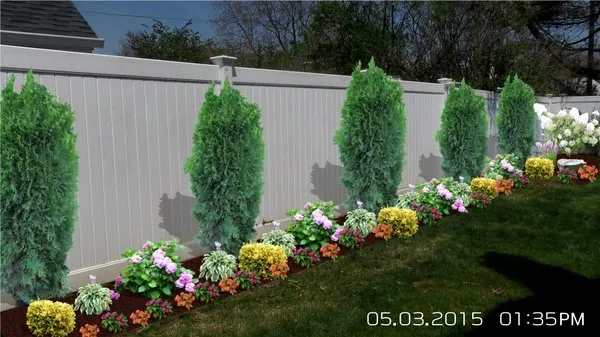
Gerardo Landscaping Corp is a family-owned and operated business proudly serving Valley Stream, Franklin Square, and surrounding Nassau County communities for over 15 years. As a member of the Nassau ...

Mendez Landscaping and Sprinkler Systems is your trusted local partner for lawn and garden care in Valley Stream, NY. We understand the common challenges homeowners face, like unsightly overgrown shru...
Acd Landscaping serves homeowners in Valley Stream, NY, tackling common local yard challenges like standing water and overgrown shrubs. We specialize in transforming problematic yards into functional,...
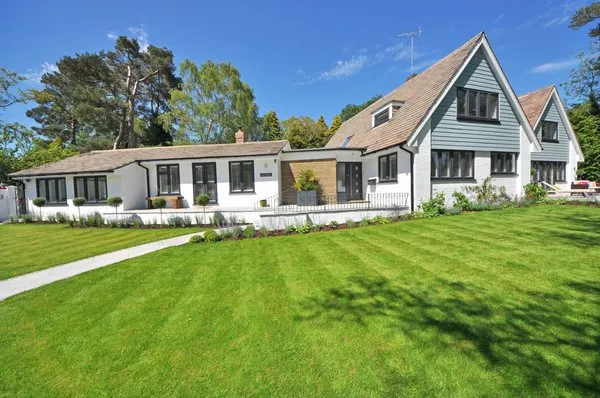
Custom Lawn Care is a Valley Stream-based landscaping company dedicated to transforming outdoor spaces with comprehensive services tailored to the local community. We specialize in addressing common l...
Turf Tamer Landscaping is a Valley Stream, NY-based landscaping company dedicated to solving common local yard problems like dying shrubs and soil compaction. We understand that Long Island's climate ...
Questions and Answers
How can we maintain a healthy Kentucky Bluegrass lawn with Valley Stream's voluntary water conservation in place?
Modern smart Wi-Fi ET-based irrigation controllers are the definitive solution for balancing turf health with conservation. These systems automatically adjust watering schedules based on real-time evapotranspiration data, soil moisture, and local weather forecasts, applying water only when necessary. For your sandy loam, this technology prevents wasteful deep percolation beyond the root zone. This precise approach often reduces total water use by 20-30% while keeping the grass blend resilient, fully aligning with municipal conservation goals.
Our patio area floods after heavy rain. What's the most effective way to improve drainage in our yard?
Persistent pooling indicates the common local issue of poor sub-surface percolation in our dense, high-water-table soils. The most effective strategy integrates subsurface solutions with surface upgrades. Installing a French drain system tied to a dry well captures and redirects groundwater. For new hardscapes, specify permeable jointing sand for concrete pavers or opt for dry-laid bluestone set on a gravel base; these methods significantly increase infiltration and can help projects meet the Village of Valley Stream Building Department's stormwater management standards.
We've spotted what looks like Japanese Knotweed. How should we handle invasive species without harming other plants?
Japanese Knotweed is a high-priority invasive requiring a specific, multi-year management plan. Correct identification is critical before any action. Treatment involves targeted, cut-stem applications of a systemic herbicide during the plant's late summer translocation period, performed by a licensed applicator. This precise method minimizes off-target impact. All treatments must comply with the New York State Phosphorus Runoff Prevention Act, avoiding fertilizer blends and adhering to any local blackout dates for application near waterways to protect watersheds.
We want to reduce lawn maintenance and support pollinators. What are good native plant options for our property?
Transitioning to a native plant community is a forward-thinking adaptation. For your 7b zone, a matrix of Little Bluestem and Switchgrass provides four-season structure, while Butterfly Milkweed and New England Aster deliver sequential blooms from summer to fall, supporting local pollinators. This established planting requires no gas-powered blower maintenance, aligning with evolving weekend noise ordinances, and is deeply drought-resistant once established. It represents a permanent reduction in water, fertilizer, and fossil-fuel inputs compared to traditional turf.
We want to regrade a soggy section of our yard. What permits and contractor credentials are required for this work?
Altering the grade on a 0.14-acre lot typically requires a permit from the Village of Valley Stream Building Department to ensure drainage changes do not adversely affect neighboring properties or municipal systems. Crucially, the contractor must hold appropriate licensing through the Nassau County Office of Consumer Affairs. This licensing validates their knowledge of local soil conditions, groundwater issues, and compliance with the New York State Phosphorus Runoff Prevention Act regarding soil disturbance and stabilization, protecting you from liability and substandard work.
Our lawn in Gibson seems thin and compacted. Is this typical for our area's soil, and what's the best long-term fix?
Properties in the Gibson neighborhood, with homes averaging from 1953, have 73-year-old landscaping soil. This extended period of foot traffic and conventional maintenance has likely degraded the original structure of our naturally acidic sandy loam, leading to severe compaction and reduced organic matter. Core aeration is essential to disrupt this pan and improve permeability for the high groundwater table. Following aeration, amending with composted leaf mold will correct acidity and rebuild soil biology, establishing a healthier foundation than repeated synthetic fertilization.
A storm brought down a large limb. How quickly can a crew respond for an emergency cleanup to prevent further damage?
For urgent situations like storm debris removal, we prioritize dispatch from our central staging area near Valley Stream State Park. Utilizing the Southern State Parkway allows for efficient routing into the Gibson neighborhood, with a target arrival window of 20-30 minutes during peak response times. Our electric-powered chippers and hauling vehicles comply with local noise ordinances, enabling immediate work without time-of-day restrictions. This rapid response mitigates safety hazards and secondary property damage efficiently.
We're considering a new patio. How do concrete pavers and bluestone compare to composite or wood decking?
Concrete pavers and natural bluestone offer superior longevity and lower lifetime maintenance than organic materials. They are non-combustible, contributing to a defensible space relevant even in our low Fire Wise rating urban interface. Unlike wood or composites, they do not require seasonal sealing, staining, or risk of rot and insect damage. For the local acidic soil, ensuring a proper compacted gravel base is key to preventing settlement. These materials provide a permanent, stable surface that integrates well with the region's architectural styles.
