Top Landscaping Services in Urbana, NY, 14810 | Compare & Call
There are 174 landscaping companies server in Urbana NY

J&R Lawn Care and Landscaping and Handyman Services is a trusted local provider in Chemung, NY, offering comprehensive solutions for both outdoor and indoor needs. Specializing in lawn care and handym...

GreenPoint Landscaping is a Horseheads-based landscaping company founded in 2007 by Clint Biddle, whose deep industry expertise is complemented by his wife's business background. Serving Horseheads, E...

Lawas Landscaping is a locally owned and operated lawn care service dedicated to maintaining the beauty and health of properties in Horseheads, Elmira, and Corning. We specialize in reliable, recurrin...
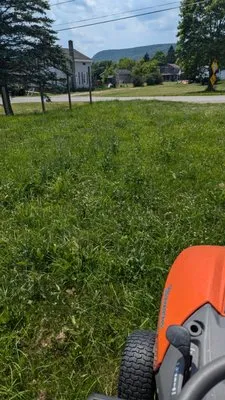
Mow and Go Lawn Care is a full-service landscaping company serving Bath, NY, and the surrounding Finger Lakes region. We specialize in transforming and maintaining outdoor spaces, from routine lawn ca...
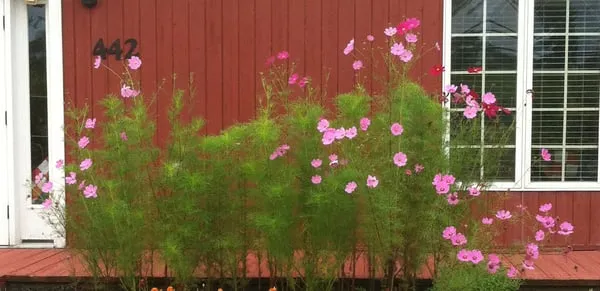
Morgan Lawn and Landscape, LLC is a locally owned and operated landscaping company serving Auburn and Central New York. Founded by Douglas Morgan and William Moore, we focus on practical solutions for...
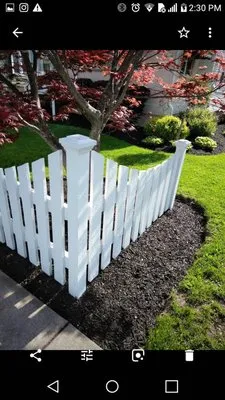
Smitty's Landscaping has been a trusted name in Auburn since 2019, bringing over 13 years of combined experience to every project. Founded on the principle that customer service is paramount, we take ...

Sean's Lawns is a locally owned and operated lawn care and landscaping service based in Seneca Falls, NY, serving the Finger Lakes region. Established in 2016, we began as a dedicated owner-operator b...
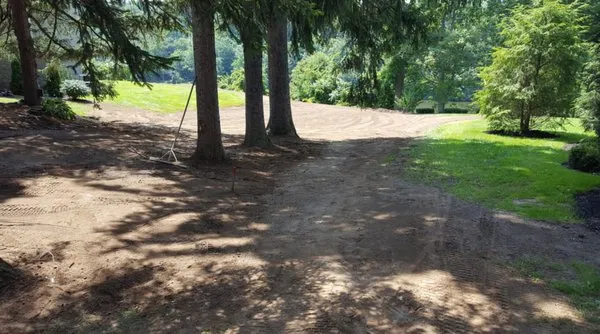
Raffa Landscaping and Design is a locally owned and operated landscaping company serving Oswego County since 2010. Founded by Jared Raffa while he was a business administration student at SUNY Oswego,...
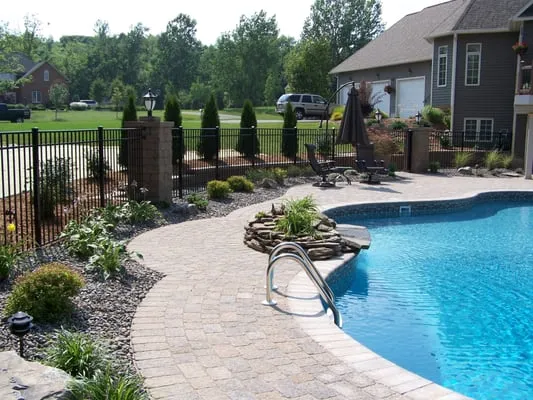
Paradise Grounds has been a trusted part of the Manlius community since 1992, providing comprehensive property maintenance for homes and businesses. We offer a complete range of services from foundati...
Miano Landscaping & Mowing is a trusted local landscaping company serving Hannibal, NY, and the surrounding areas. We understand the specific challenges homeowners in our community face, such as persi...
Estimated Landscaping Service Costs in Urbana, NY
Common Questions
How should I handle invasive species without harming my existing plants?
Japanese knotweed and garlic mustard present the highest invasive risks in Urbana's acidic soils. Manual removal during late April to early May prevents seed set while minimizing soil disturbance. NYS phosphorus limitations require selective herbicide applications only during approved windows. Treatment plans should incorporate mycorrhizae inoculants to support native plant recovery without violating fertilizer ordinance blackout periods.
Is Finger Lakes Bluestone or wood better for patio construction in our climate?
Finger Lakes Bluestone offers superior longevity with minimal maintenance compared to wood decking in USDA Zone 6a. Its thermal mass moderates temperature extremes while providing non-combustible defensible space. For Moderate Fire Wise Rating areas, bluestone installations maintain required clearance from structures without degradation. Properly installed bluestone patios typically last 40+ years with only occasional joint sand replenishment.
What solutions address the erosion and standing water issues in my yard?
High erosion potential in acidic silt loam with clay subsoil requires graded swales and French drain systems. Permeable Finger Lakes Bluestone installations in patio areas increase surface infiltration by 60-80%. The Town of Urbana Planning Board requires runoff management plans for projects exceeding 100 square feet. These combined approaches redirect subsurface water while meeting municipal stormwater retention standards for 0.45-acre lots.
How quickly can you respond to emergency storm damage for HOA compliance?
Emergency cleanup dispatch originates near the Curtiss Museum, utilizing NY-54 for direct access to Hammondsport Village. Our electric fleet operates within municipal noise ordinances (8:00 AM - 8:00 PM) for immediate response. Peak storm scenarios require 45-60 minutes for initial assessment and debris management. This routing prioritizes arterial roads while maintaining compliance with seasonal weight restrictions on secondary routes.
What are my options for reducing lawn maintenance while supporting local ecology?
Transitioning high-maintenance turf to native plantings like Common Milkweed, New England Aster, and Switchgrass reduces mowing frequency from weekly to seasonal. These species establish deep root systems that improve soil structure and require minimal irrigation. Electric maintenance equipment operates quietly within noise ordinance hours while eliminating gas emissions. This approach creates habitat corridors that exceed 2026 biodiversity benchmarks for USDA Zone 6a.
What permits and licenses are needed for significant landscaping changes?
Grading work on 0.45-acre lots requires Town of Urbana Planning Board approval for erosion control plans. The New York State Department of State Division of Licensing Services mandates specific licensing for excavation exceeding 18 inches depth. Professionals must demonstrate competency in soil mechanics and drainage engineering. These regulations ensure proper watershed management and prevent downstream sedimentation in the Keuka Lake watershed.
How do I keep my Kentucky Bluegrass and Fine Fescue blend healthy without wasting water?
Smart-controller systems with soil moisture sensors optimize irrigation by tracking evapotranspiration (ET) rates. These controllers adjust watering schedules based on real-time soil conditions rather than fixed timers. Urbana's current normal water status allows flexibility, but ET-based irrigation reduces consumption by 30-40% compared to traditional systems. This approach maintains turf health while preventing the clay subsoil saturation common in acidic silt loam profiles.
Why does my lawn in Hammondsport Village have such poor drainage and compacted soil?
Properties in Urbana's Hammondsport Village with 1961-era construction have 65-year-old soil profiles. Acidic silt loam (pH 5.8-6.5) naturally compacts over decades, reducing permeability and creating anaerobic conditions. Core aeration every 2-3 years with organic amendments like composted leaf mold addresses this historical compaction. The soil's maturity requires ongoing management to maintain adequate pore space for root development and water infiltration.
