Top Landscaping Services in University at Buffalo, NY, 14228 | Compare & Call
There are 193 landscaping companies server in University At Buffalo NY
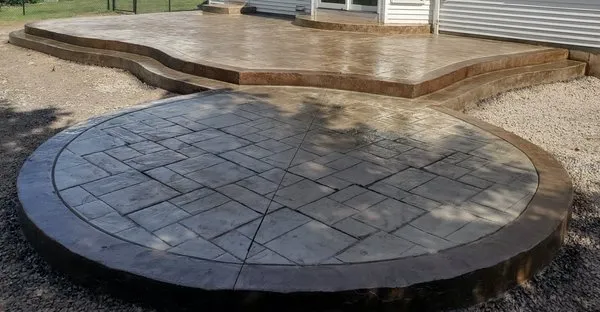
PBC Services
PBC Services, Inc. is a family-owned and operated landscaping and construction company serving Amherst and Western New York for over 25 years. We specialize in a comprehensive range of services, from ...
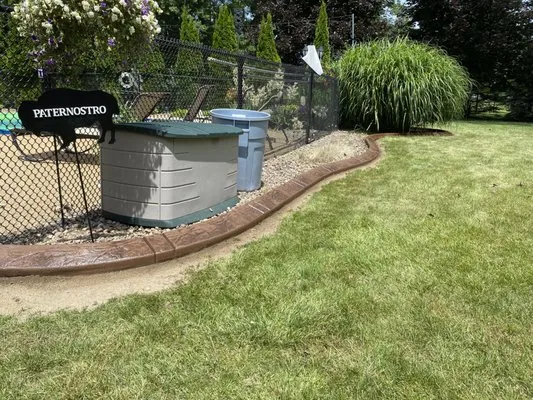
Dave's Decorative Edging & Landscaping is a trusted, full-service landscaping company serving Lockport and the surrounding Niagara County area. We specialize in creating beautiful, durable outdoor spa...
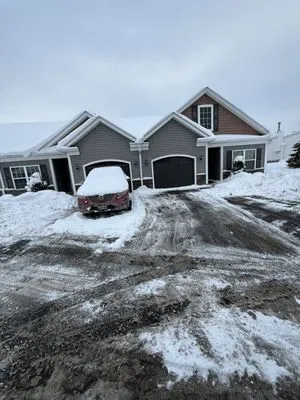
Big Rock Landscaping and Snowplowing is a family-owned business serving Tonawanda, NY, with deep roots in construction and outdoor services. Founded right out of high school, the owner has built exper...
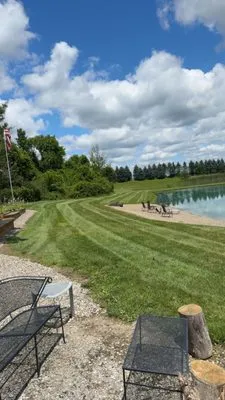
WNY Outdoor Services is a Holland, NY-based landscaping company founded by three local young adults: Zachary, Francis, and Logan. Zachary brings legal studies to the table, Francis contributes archite...
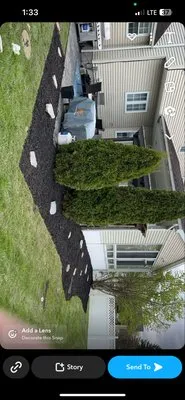
Joey's Landscaping and Lawncare is a trusted local lawn service provider serving North Tonawanda, NY. We specialize in comprehensive lawn care solutions designed to address common landscaping challeng...
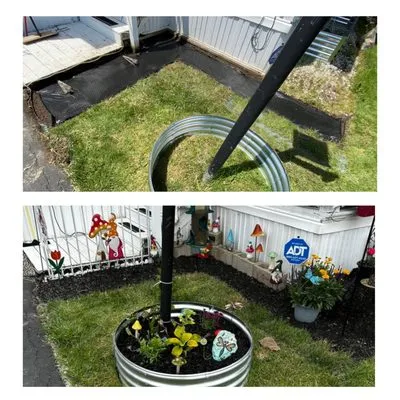
Yard Works Lawncare & Landscaping
I'm Nathan, the owner of YardWorks Lawncare & Landscaping in Buffalo. What started as a personal passion for landscaping grew into a mission to help my neighbors create beautiful and functional outdoo...
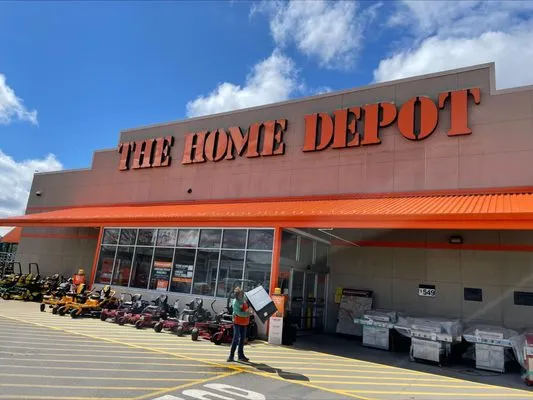
Sunrise Maintenance of WNY is a locally owned and operated property maintenance company based in Niagara Falls, NY, serving residential and commercial clients across Western New York since 2010. Fully...
Ground Control is a family-built landscaping and property care company serving Buffalo, NY, and the surrounding area. For over five years, we've been dedicated to turning a lifelong dream into a reali...
PCO Home Services in Tonawanda, NY, was founded by two experienced partners who combined their specialized businesses—one in fencing and decks, the other in landscaping—into a single, comprehensive ho...
O'Brien Family Landscaping and Tree Service
O'Brien Family Landscaping and Tree Service is a family-owned and operated business serving Corfu, NY, and the surrounding areas since 2001. Specializing in tree services and landscaping, we provide c...
Estimated Landscaping Service Costs in University at Buffalo, NY
Questions and Answers
How do I treat invasive species without violating fertilizer regulations?
Japanese knotweed and garlic mustard present the highest invasion risks in University Heights. Mechanical removal before seed set combined with targeted organic herbicides avoids phosphorus fertilizer restrictions under New York State law. Soil testing determines specific amendment needs rather than blanket applications. Treatment timing considers blackout dates to protect water quality in the Niagara River watershed. Mycorrhizae inoculants can then restore soil biology after invasive eradication.
What permits and licenses are needed for regrading my small lot?
Grading work on 0.12-acre lots requires a permit from the Buffalo Department of Permit and Inspection Services, specifically for erosion control and drainage modifications. Contractors must hold appropriate licensing through the New York Department of State Division of Licensing Services. Professional licensing ensures compliance with state phosphorus regulations and stormwater management standards. Unpermitted grading can result in violations due to altered runoff patterns affecting neighboring properties in University Heights.
What solutions prevent spring flooding in my yard with heavy clay soil?
Silt loam with clay-heavy subsoil requires integrated drainage strategies. French drains connected to dry wells manage high spring runoff by redirecting water away from foundations. Permeable concrete pavers or natural bluestone installations increase surface infiltration rates. The Buffalo Department of Permit and Inspection Services requires drainage plans that meet 2026 runoff standards for 0.12-acre lots. These systems work synergistically to reduce compaction and improve soil percolation over multiple seasons.
Why does my University Heights lawn have drainage issues despite regular watering?
University Heights properties built around 2002 have approximately 24 years of soil development on silt loam with pH 6.5-7.2. This soil type naturally compacts over time, especially with clay-heavy subsoil layers common in this neighborhood. The compaction reduces permeability, creating surface runoff rather than deep water infiltration. Core aeration with organic amendments like composted leaf mold addresses this by improving soil structure and increasing oxygen availability to root zones.
How quickly can you respond to an emergency tree limb cleanup for HOA compliance?
Emergency storm response from UB South Campus typically requires 20-30 minutes during peak conditions. Our electric fleet travels via I-290 to minimize noise during restricted hours (7:00 AM-9:00 PM weekdays, 9:00 AM-9:00 PM weekends). This routing ensures compliance while addressing immediate safety hazards. We prioritize structural integrity assessments before removal to prevent secondary damage to nearby hardscapes.
Should I adjust my irrigation system with Buffalo's current water restrictions?
While no drought stage is currently active, Wi-Fi ET-based weather sensing irrigation optimizes water use by calculating evapotranspiration rates specific to University Heights microclimates. This technology adjusts schedules based on real-time weather data, delivering precise moisture to Kentucky Bluegrass and Fine Fescue mixes. Municipal water limits are maintained through soil moisture sensors that prevent overwatering during spring runoff periods. This approach reduces consumption by approximately 30% compared to traditional timer-based systems.
Can I reduce maintenance while supporting local pollinators?
Replacing high-maintenance turf with native plantings like Purple Coneflower, Butterfly Milkweed, Wild Bergamot, Little Bluestem, and Serviceberry creates biodiverse landscapes requiring minimal intervention. These species establish deep root systems that improve soil health and reduce watering needs. Transitioning to electric maintenance equipment aligns with noise ordinance restrictions on gas-powered blowers. This approach typically cuts seasonal maintenance hours by 40-60% while exceeding 2026 biodiversity benchmarks for urban settings.
Are concrete pavers better than wood for long-term durability in Buffalo?
Concrete pavers and natural bluestone offer superior longevity compared to wood in USDA Zone 6a freeze-thaw cycles. These materials maintain structural integrity for 25+ years with minimal maintenance. Their non-combustible nature supports the low fire-wise rating requirements for urban settings like University Heights. Proper installation with permeable bases creates defensible space while managing runoff. Material selection should prioritize local sourcing to reduce embodied carbon in transportation.
