Top Landscaping Services in Trumansburg, NY, 14886 | Compare & Call
There are 60 landscaping companies server in Trumansburg NY
Rons Tree Service & Landscaping
Ron's Tree Service & Landscaping is a Richford-based, full-service outdoor company specializing in tree care, landscaping, and junk removal. We help local homeowners and businesses maintain healthy, b...
Kirksway Farm in Lansing, NY, is a land improvement company with deep roots in the local community. Founded by someone who grew up on a dairy farm, studied animal husbandry, and operated their own dai...
JIMBO Handyman Services is a trusted, full-service contractor serving Waverly, NY, and the surrounding areas. We specialize in a comprehensive range of home improvement and maintenance tasks, from app...
Howell's Helpin' Hands is a locally owned and operated handyman and lawn service business serving Endicott, NY. Founded in 2022 by owner Jason Howell, the company is built on a lifetime of hands-on ex...
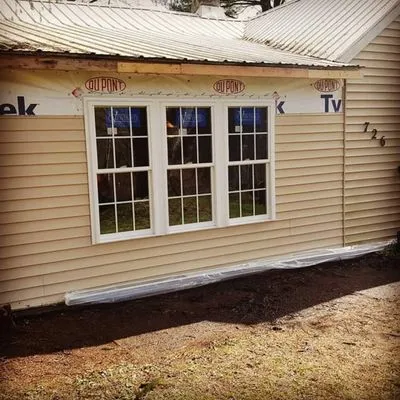
N&C General Contracting is a family-owned business in Binghamton, NY, founded on over 15 years of hands-on construction experience. Starting as a side project to help family and neighbors with afforda...
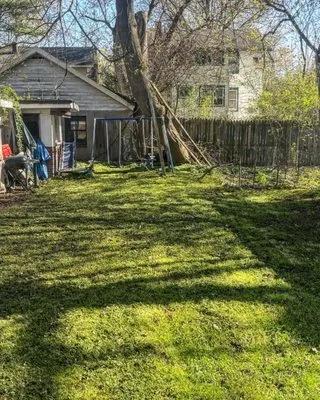
Thomas & Son Landscaping is a family-owned business serving Ithaca, NY, with reliable landscaping and tree care services. We focus on providing effective, personalized solutions for local homeowners, ...
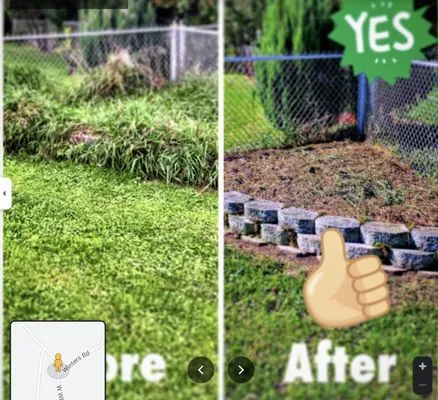
Home&Lawn Pros is a trusted lawn care provider serving homeowners in BARTON, NY. We specialize in comprehensive lawn care services designed to address common local landscaping challenges, including so...
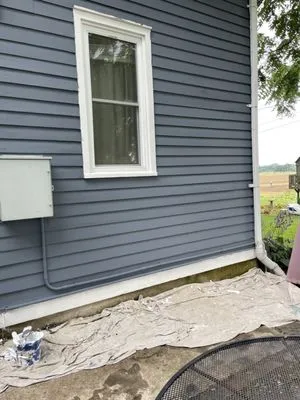
Derek's Pressure Washing & Landscaping is your local, trusted partner for maintaining beautiful, healthy outdoor spaces in Campbell, NY. Specializing in comprehensive shrub care and landscape maintena...
W & W Nursery and Landscaping
W & W Nursery and Landscaping has been a trusted local resource in Apalachin, NY since 1988, specializing in comprehensive landscaping, nursery, and gardening services. Our team combines hands-on nurs...
Timeless Turfs Lawn Care is a trusted local lawn and tree service provider serving homeowners throughout Berkshire, NY. We specialize in comprehensive lawn care solutions designed to address common la...
Estimated Landscaping Service Costs in Trumansburg, NY
Question Answers
What invasive species should I watch for, and how do I control them safely?
Japanese knotweed and garlic mustard are prevalent invasive alerts in this region. Manual removal for small infestations is effective. For larger issues, targeted, non-phosphorus herbicides applied by a licensed professional are necessary, strictly following NYS law blackout dates to protect waterways. Always prioritize soil health by replanting cleared areas with aggressive natives like Echinacea purpurea to prevent re-establishment.
How can I maintain a healthy lawn with voluntary water conservation in place?
A smart, Wi-Fi ET-based irrigation system is the solution. It uses local weather data to apply water only when evapotranspiration indicates a need, preventing overwatering. This technology precisely meets the requirements of a Kentucky Bluegrass and Fine Fescue mix while staying well within voluntary municipal limits. Properly calibrated, it can reduce potable water use by 20-30% compared to traditional timer-based systems.
Our yard holds water for days after rain. What's a permanent fix that also looks good?
Seasonal saturation is a direct result of the high clay content in our local silt loam. Installing a French drain system to channel water away from foundations is a primary step. For new patios or walkways, using permeable bluestone paver installations increases ground absorption. These solutions manage runoff effectively and typically meet the Trumansburg Code Enforcement Office's standards for onsite water management.
What permits and licenses are needed for regrading and drainage work on my 0.35-acre lot?
Significant regrading that alters water flow or involves structural retaining walls often requires a permit from the Trumansburg Code Enforcement Office. The contractor must hold appropriate licensing through the New York State Department of State, Division of Licensing Services. This is particularly crucial for work on a 0.35-acre lot where improper grading can impact neighboring properties and municipal storm systems, leading to liability.
Is bluestone or wood a better choice for a new patio in terms of longevity and safety?
Bluestone pavers offer superior longevity and require far less maintenance than wood, which decays and requires chemical treatments. For fire safety, bluestone is non-combustible and contributes to the defensible space recommended in our Low (Level 1) Fire Wise rating zone. Its thermal mass can also moderate micro-climate temperatures around your home, providing an ecological benefit beyond mere aesthetics.
We need an emergency storm debris cleanup to meet an HOA deadline. What's your fastest response time to the Village Center?
For an emergency HOA compliance cleanup, a crew can dispatch from the Taughannock Falls State Park area. Using NY-96, the estimated travel time to the Village Center is 25-35 minutes during peak conditions. Our electric maintenance fleet operates within standard daytime decibel limits, allowing for immediate, compliant service. We prioritize routing to mitigate traffic delays common on secondary roads.
My lawn in the Village Center struggles with compaction and poor drainage. Is this a soil issue from the home's age?
Properties built around 1949, like many here, have soils that have matured for 77 years. The prevalent acidic silt loam is prone to compaction from decades of use and high clay content. This reduces permeability, leading to the seasonal saturation you observe. Core aeration in early fall, followed by top-dressing with compost, is critical to improve soil structure and water infiltration without drastically altering the native pH.
I want to reduce mowing and gas equipment noise. What are my options?
Transitioning high-maintenance turf to a xeriscape with native plants is a forward-looking strategy. Species like Monarda fistulosa, Asclepias syriaca, and Solidago canadensis are adapted to Zone 6a and require no mowing or blowing. This shift drastically reduces water, fertilizer, and fuel needs, aligning with evolving noise ordinances and 2026 biodiversity goals. It creates a resilient landscape that supports local pollinators.
