Top Landscaping Services in Tonawanda, NY, 14150 | Compare & Call
There are 190 landscaping companies server in Tonawanda NY
Belmont Landscape is a trusted local landscaping company serving Buffalo, NY, specializing in gardeners, lawn services, and tree services. We focus on practical, reliable solutions for Western New Yor...
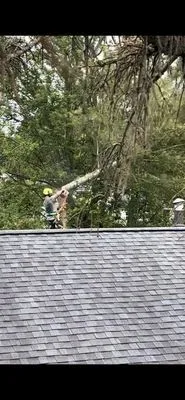
Southtowns Landscaping is a full-service landscaping and tree care company serving Lake View, NY, and the surrounding Southtowns area. We specialize in comprehensive outdoor solutions, from tree remov...
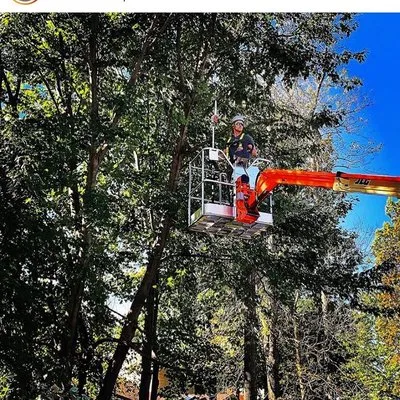
JA Krantz Landscapes
JA Krantz Landscapes is a full-service Swormville landscaping company dedicated to transforming and maintaining local properties. We specialize in comprehensive solutions from initial design to final ...

BAM's Lawn Care and Maintenance is a family-owned landscaping and snow removal business serving Niagara Falls, NY, since 2020. Founded by Brandon and Mike, the company has grown steadily by focusing o...
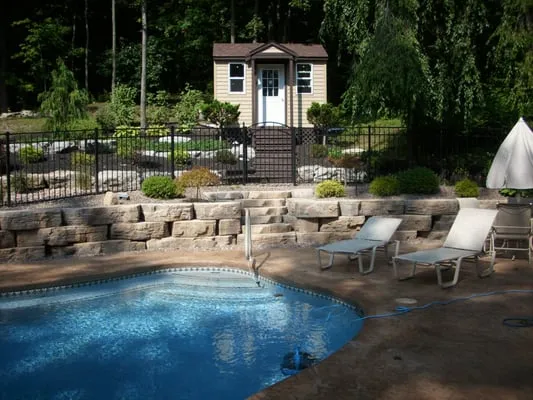
Founded in 1994, Pinelli Landscaping has been a trusted partner for homeowners in Buffalo and West Seneca for nearly three decades. Our mission is simple: to treat your property with the same care and...
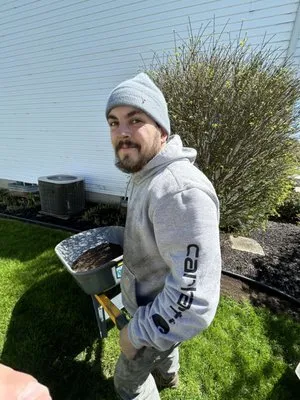
As the owner of TNA Landscaping in Buffalo, I bring over six years of hands-on experience to every project. After establishing my business full-time in 2024, I specialize in turning complex visions in...
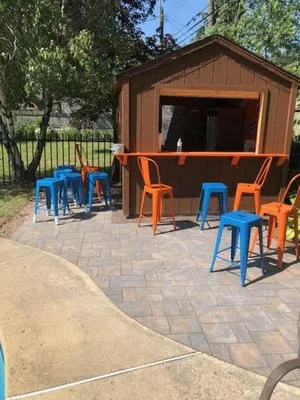
PL Services is a trusted, full-service landscaping and tree care company serving North Tonawanda, NY, and the surrounding communities. We specialize in resolving the common local challenges homeowners...
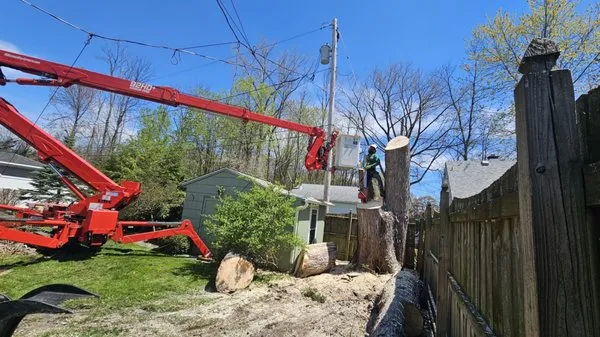
KD Tree Service Buffalo NY is a locally owned and operated tree service and landscaping company serving the Buffalo, NY area. With a team of trained professionals and our own specialized equipment, we...

Lavocat's Family Greenhouse and Nursery
For over 30 years, Lavocat's Family Greenhouse and Nursery has been a cornerstone of East Amherst, rooted in family tradition. Founded by Don Sr. and Teri Lavocat, the business began as a passion proj...
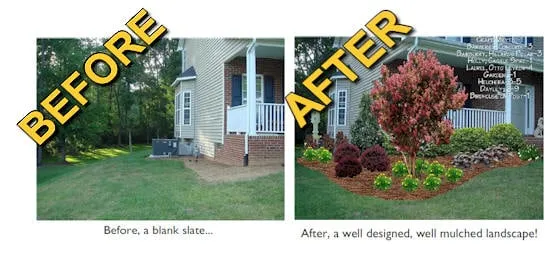
Green Giant Landscaping is your dedicated local partner for a beautiful, healthy outdoor space in Kenmore, NY, and throughout Erie County. We believe your satisfaction is the true measure of our work,...
Estimated Landscaping Service Costs in Tonawanda, NY
Question Answers
What permits and licenses are needed to regrade my 0.15-acre lot?
Grading alterations on 0.15-acre Tonawanda properties require City of Tonawanda Building Department permits for erosion control and drainage compliance. Contractors must hold New York State Department of State Division of Licensing Services certification for landscape architecture or excavation work exceeding 12 inches of elevation change. These regulations ensure proper water management across property lines and prevent downstream sedimentation issues in the Niagara River watershed. Professional licensing verifies competency in soil mechanics essential for glacial till conditions.
How quickly can you respond to an emergency tree cleanup for HOA compliance?
Emergency storm response from our Niagara River Greenway dispatch reaches Lincoln Park within 20-30 minutes via I-290 during peak hours. Our electric fleet operates within Tonawanda's 9 PM to 7 AM noise ordinance restrictions while maintaining rapid deployment capability. This routing prioritizes arterial access to residential zones where fallen limbs typically require immediate attention to meet safety standards.
Are concrete pavers better than wood for patio longevity in our climate?
Concrete pavers outperform wood in Tonawanda's freeze-thaw cycles, with 30+ year lifespans versus wood's 10-15 year replacement cycle. Their non-combustible nature maintains defensible space appropriate for Tonawanda's low WUI fire risk rating, while permeable options manage stormwater effectively. Crushed limestone pathways offer similar durability with natural drainage characteristics that complement native plantings. Both materials resist frost heave better than traditional wood installations when properly base-prepared.
My yard floods every spring - what solutions work with Tonawanda's regulations?
Glacial till compaction beneath neutral silt loam creates persistent saturation issues that require engineered drainage solutions. Permeable concrete pavers or crushed limestone installations increase surface infiltration rates while meeting City of Tonawanda Building Department runoff standards. Subsurface French drains with clean stone aggregate redirect water away from foundations, particularly important in Lincoln Park's flat topography. These systems work synergistically with soil amendments to address both surface and subsurface water movement.
What's the most efficient way to maintain Kentucky Bluegrass without wasting water?
Smart soil-moisture sensor controllers optimize irrigation by measuring actual root zone conditions rather than operating on fixed schedules. These systems apply water only when evapotranspiration rates indicate need, typically reducing usage 30-40% while preserving turf health. In Tonawanda's Zone 6a climate, this approach maintains perennial ryegrass blends within municipal conservation guidelines without triggering formal restrictions. Proper calibration accounts for microclimate variations near the Niagara River corridor.
What should I do about invasive Japanese knotweed spreading from neighboring properties?
Japanese knotweed presents particular concern in Tonawanda due to its aggressive rhizome systems that compromise structural foundations. Treatment requires carefully timed applications of glyphosate-based herbicides during late summer translocation periods, avoiding NYS phosphorus restriction blackout dates in spring. Manual removal must include complete root excavation to prevent regrowth, with contaminated soil managed as controlled waste. Regular monitoring for garlic mustard and tree-of-heaven is equally important in Lincoln Park's established neighborhoods.
Can I reduce maintenance while supporting local ecology?
Transitioning high-maintenance turf to native plantings like Common Milkweed, New England Aster, and Wild Bergamot creates resilient landscapes requiring minimal intervention. These species support pollinator networks while eliminating weekly mowing and gas-powered equipment use ahead of tightening noise ordinances. In Tonawanda's Zone 6a, established native stands survive seasonal extremes with deep root systems that improve soil structure naturally. This approach aligns with 2026 biodiversity standards for residential properties.
Why does my Lincoln Park lawn have drainage issues despite regular care?
Tonawanda's 1955-era homes sit on 71-year-old soil profiles where glacial till compaction has reduced permeability over decades. Lincoln Park's neutral silt loam (pH 6.8-7.2) develops hardpan layers that restrict water movement, particularly during seasonal saturation periods. Core aeration with organic amendments like composted leaf mold addresses this by improving soil structure and microbial activity. This intervention mimics natural forest floor processes that mature soils develop over centuries.
