Top Landscaping Services in Suffern, NY, 10901 | Compare & Call

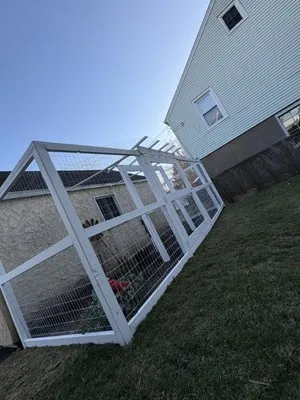
Scorpion Landscaping has been a trusted name in Suffern and the surrounding Rockland County area for over two decades. We are a full-service property care company dedicated to enhancing and maintainin...
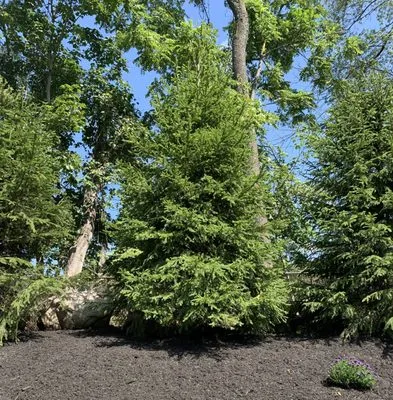
Knapp's Landscaping
Knapp's Landscaping is a family-owned and operated business serving the Suffern, NY community for over 35 years. We combine the expertise of a well-established company with the personalized, attentive...
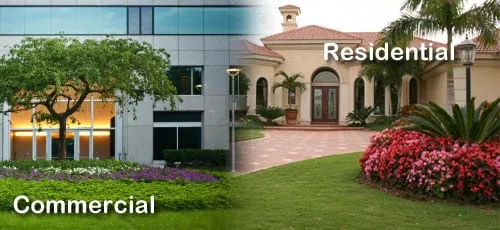
New York Gardens is a licensed landscaping company serving Suffern, NY, and the surrounding Rockland County and Northern Bergen County areas since 2004. Founded by second-generation landscaper Mario B...
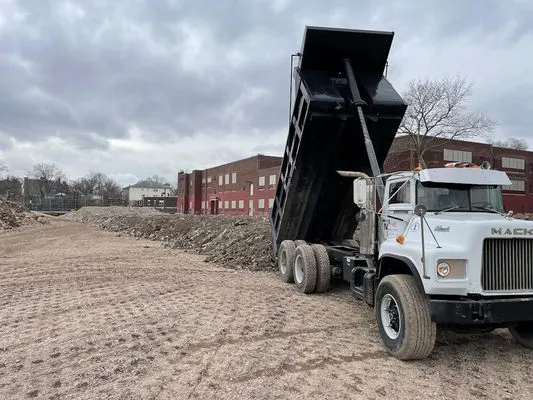
NAC Maintenance Inc. is a trusted landscaping contractor serving Suffern, NY, and the surrounding areas. We specialize in comprehensive outdoor solutions tailored to both residential and commercial pr...
Mr Garcias Landscaping is a trusted, locally-owned landscaping company serving Suffern, NY, and the surrounding Rockland County area. We specialize in providing reliable gardening and landscape mainte...

Turco Landscaping & Construction
Turco Landscaping & Construction is a trusted, full-service contractor serving the Suffern, NY community. We specialize in both structural construction and comprehensive landscape solutions, from buil...
Omni Landscaping
Founded in 1991, Omni Landscaping has been a trusted presence in Suffern and the surrounding Rockland, Bergen, and Ocean Counties, operating as both a licensed New Jersey Home Improvement Contractor a...
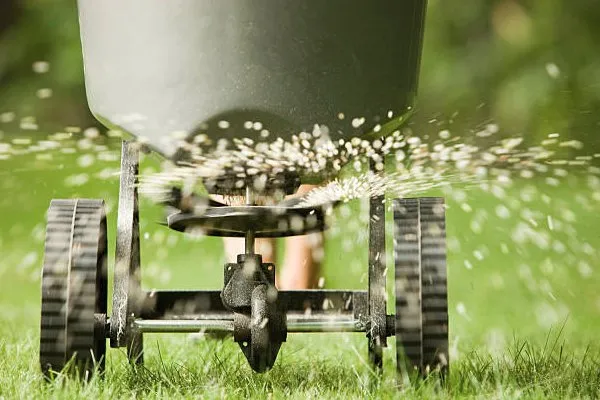
Regal Lawns of Rockland is a trusted lawn care provider serving Suffern, NY, and the surrounding Rockland County area. We specialize in comprehensive lawn care services designed to address common loca...
Hemlock Hill Landscaping is a trusted, locally-owned landscaping company serving Suffern, NY, and the surrounding Rockland County area. We specialize in practical, effective solutions for common resid...
Majestic Meadows Landscaping is a trusted local landscaping company serving Suffern, NY, and the surrounding Rockland County area. We specialize in addressing common residential landscaping challenges...
Question Answers
How can I keep my Kentucky Bluegrass lawn healthy during water restrictions?
Under Suffern's Stage 1 voluntary conservation, efficiency is key. Smart Wi-Fi controllers paired with in-ground soil moisture sensors are critical. They irrigate based on actual evapotranspiration (ET) and soil conditions, not a fixed schedule, preventing overwatering. This technology applies water only when and where your fine fescue blend needs it, maintaining turf health while reducing total potable water use by 20-30%, staying well within municipal guidelines.
My yard has soggy areas every spring; what's a lasting solution?
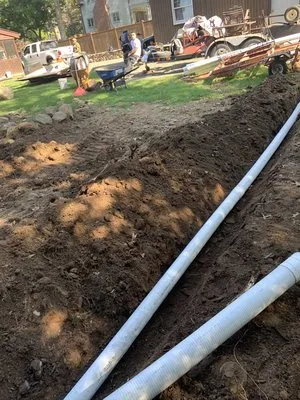
This is a common issue with our acidic glacial till and a seasonally high water table. The soil's slow percolation leads to moderate runoff. A strategic solution involves regrading to create positive flow and installing a French drain system tied to a dry well. For new patios or walkways, using permeable bluestone paver systems increases ground absorption. These methods manage runoff effectively and often help projects meet the Village of Suffern Building Department's stormwater management standards.
I have an urgent HOA notice for storm debris; how quickly can you respond?
For emergency cleanup to meet compliance deadlines, we can typically dispatch a crew within 24 hours. Our routing from Suffern Village Hall prioritizes the I-87 corridor for access to Village Center properties. Accounting for peak traffic conditions, we plan for a 20-30 minute mobilization window. We coordinate all responses to comply with the local noise ordinance for gas-powered equipment, which restricts operation to 7 AM - 7 PM.
I'm tired of weekly mowing; are there lower-maintenance options?
Absolutely. Transitioning sections of high-input turf to a native plant palette is a forward-looking strategy. Species like Eastern Redbud, Joe Pye Weed, and New England Aster are adapted to our Zone 6b climate and acidic soil, requiring minimal watering once established. This xeriscaping approach drastically reduces mowing, fertilizing, and watering. It also future-proofs your property against evolving noise ordinances that increasingly restrict gas-powered blowers and mowers.
What are the biggest weed threats, and how do I deal with them safely?
In Suffern, invasive species like Japanese Knotweed and Garlic Mustard are primary alerts. Manual removal for young plants and targeted, systemic herbicide application for mature stands are most effective. Any treatment must comply with NY State's Nutrient Runoff Law, which prohibits phosphorus application on established turf. We follow a soil test-first approach to ensure any organic amendment or fertilizer is necessary and applied outside of seasonal blackout dates to protect watersheds.
Is bluestone or composite wood better for a new patio?
For longevity and minimal maintenance, bluestone is superior. It is a natural stone with high compressive strength, lasting decades with proper installation. Unlike wood or composites, it does not rot, warp, or require sealing. In our Moderate Fire Wise rating zone, bluestone also contributes to defensible space as a non-combustible material. Its durability and permeability, when set on a gravel base, make it a resilient choice for our freeze-thaw cycles and seasonal moisture.
What permits and credentials should I verify before hiring for a grading project?
For any significant grading or drainage work on a 0.25-acre lot, you must verify two key items. First, the contractor must hold a Home Improvement Contractor license through the NY State Department of State. Second, the project plan likely requires a permit from the Village of Suffern Building Department, which will review for erosion control and proper runoff management. Hiring an unlicensed entity risks improper work that can lead to code violations and damage to neighboring properties.
Why does my lawn seem compacted and thin, and why do new plants struggle?
Homes in the Village Center, built around 1971, sit on over 50-year-old landscapes. The underlying acidic glacial till soil naturally compacts over decades, reducing pore space for air, water, and roots. This mature soil profile often exhibits low permeability and depleted organic matter. Core aeration combined with top-dressing compost is essential to rebuild soil structure and counteract the inherent density and low pH (5.5-6.2) of our local till.
