Top Landscaping Services in Stony Point, NY, 10911 | Compare & Call
There are 181 landscaping companies server in Stony Point NY
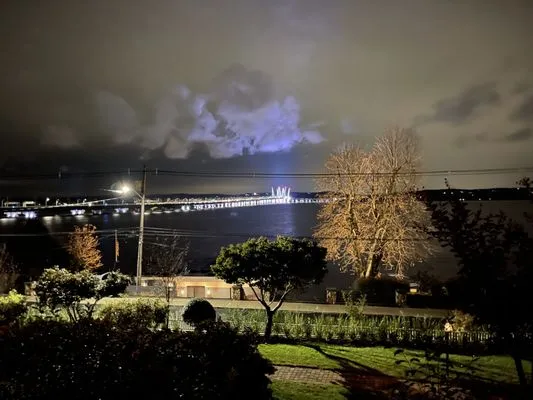
Curti's Landscaping, Inc. has been a trusted name in Valley Cottage and the surrounding Rockland County since 1991. Founded and led by Scott Curti, a Certified Landscape Technician—one of only three i...
Utopia Landscaping has been a trusted partner for homeowners and businesses in New City, NY, and the Tri-State Area for years. We specialize in transforming outdoor spaces into functional and beautifu...
Belleville Landscaping is a trusted, Congers-based company specializing in comprehensive landscape and masonry solutions for local homeowners. We understand the common frustrations in our area, like p...
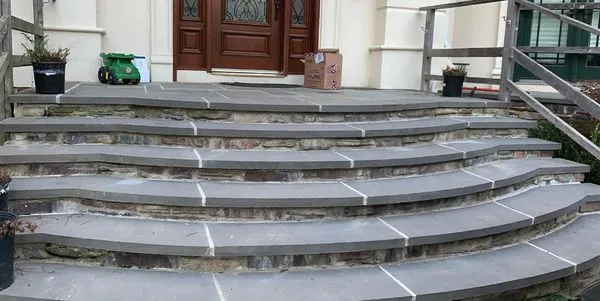
MonteBello Landscaping & Construction has been transforming outdoor spaces in New City and the surrounding Rockland County area for three decades. We combine skilled masonry and comprehensive landscap...
Lugys Landscaping Lawn is a trusted local landscaping provider serving New City, NY, and the surrounding Rockland County area. We understand the common challenges homeowners face here, such as ineffic...
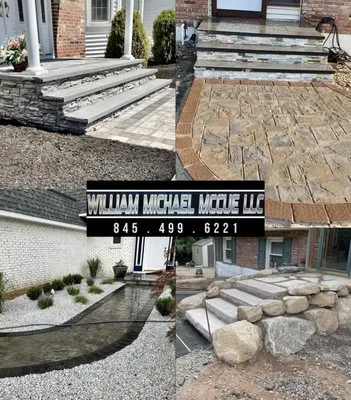
William Michael McCue is a trusted, full-service excavation and landscaping contractor based in New City, NY. We specialize in solving common local yard challenges like poor drainage and dead lawn are...
For over a decade, DJ Helmke Landscaping has been the trusted choice for homeowners in Congers, NY, providing reliable, high-quality landscape care. We understand the unique challenges of our local cl...
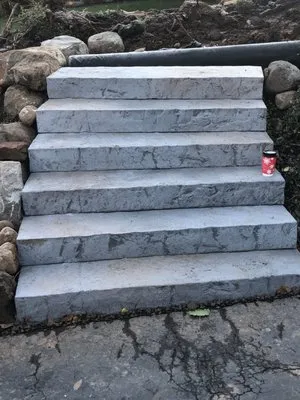
Superior Lawns and Landscaping has been a trusted Rockland County resource since 1986, building enduring landscapes and hardscapes for Congers area residents. As an ICPI certified expert, we specializ...

Rinse and Root LLC is a trusted Nyack-based provider dedicated to maintaining your home's exterior systems. We focus on practical, effective cleaning and maintenance services for lawns, gutters, solar...
G Biloba Garden is a dedicated landscape design firm serving Nyack, NY, and the surrounding Hudson Valley. We specialize in creating beautiful, sustainable outdoor spaces that thrive in our local clim...
Estimated Landscaping Service Costs in Stony Point, NY
Q&A
My yard floods and erodes after heavy rain. What's a lasting solution?
The high runoff from Stony Point's rocky glacial till requires engineered drainage. Solutions include installing dry wells, French drains, and regrading to direct water away from foundations. Using permeable bluestone pavers for patios or walkways also increases ground absorption. All such work must meet the Town of Stony Point Building Department's stormwater management standards to mitigate erosion and property damage effectively.
How quickly can a crew respond for urgent storm debris cleanup to meet HOA deadlines?
For emergency compliance work, a crew can typically dispatch from the Stony Point Battlefield area and reach Tomkins Cove via the Palisades Interstate Parkway within the 25-40 minute peak response window. We prioritize such calls and coordinate with the Town of Stony Point for any necessary debris removal permits to ensure a swift, compliant resolution that adheres to local ordinances.
What are lower-maintenance alternatives to my high-input lawn?
Transitioning to a climate-adaptive landscape with native plants like Eastern Redbud, Sweet Pepperbush, and Butterfly Weed significantly reduces water, fertilizer, and maintenance needs. These plants are adapted to our Zone 6b climate and acidic soils, forming a resilient ecosystem. This approach future-proofs your property against tightening noise ordinances and the municipal shift toward mandated electric maintenance equipment.
Are bluestone patios a good long-term investment compared to wood decks?
Bluestone is a superior investment for longevity and low maintenance in our climate. Unlike wood, which requires regular sealing and is susceptible to rot, bluestone is durable and stable. For properties in the Wildland-Urban Interface with a Moderate Fire Wise rating, bluestone also provides critical non-combustible defensible space, enhancing safety while meeting aesthetic and functional goals for decades.
Why does my Tomkins Cove lawn struggle despite watering and feeding?
Stony Point homes, averaging 55 years old, have soil that has become compacted and nutrient-poor. The native acidic sandy loam, while well-draining, has likely been depleted of organic matter, leading to low water retention and poor root development. Core aeration and incorporating composted organic matter are critical to rebuild soil structure and microbial life, directly addressing the inherent permeability and low fertility of these older lots.
Why do I need a licensed professional for regrading my half-acre property?
Significant earthwork on a 0.45-acre lot alters drainage patterns and can impact neighboring properties and municipal systems. The New York State Department of State licenses landscape architects and contractors for this reason, ensuring they understand hydrology, engineering, and relevant codes. The Town of Stony Point Building Department requires permits for such work to enforce erosion control and stormwater compliance, protecting the community's watershed.
Is it possible to maintain a healthy lawn under Stage 1 water conservation rules?
Yes, using smart, Wi-Fi moisture-sensing controllers is essential. These devices schedule irrigation based on real-time evapotranspiration (ET) data and soil moisture, applying water only when and where your Kentucky Bluegrass and Fine Fescue blend needs it. This technology prevents overwatering, reduces runoff on our rocky glacial till, and keeps your turf resilient while operating well within voluntary conservation guidelines.
How do I control invasive weeds like Japanese Knotweed without using banned chemicals?
Combating invasive species requires an integrated approach. For persistent perennials like Knotweed, a strategy of careful mechanical removal, smothering with heavy-grade landscape fabric, and targeted spot-treatment with approved, phosphorus-free herbicides applied during active growth phases is necessary. Timing is critical to avoid New York State's blackout dates for nutrient applications and to prevent harm to nearby desirable native plants.
