Top Landscaping Services in Stony Brook University, NY, 11733 | Compare & Call
There are 190 landscaping companies server in Stony Brook University NY

Garden Scapes
Garden Scapes is a Massapequa Park-based landscape design and installation company founded in 2013 by Nicholas B. With a background in architectural engineering and a passion for nature, Nicholas lead...
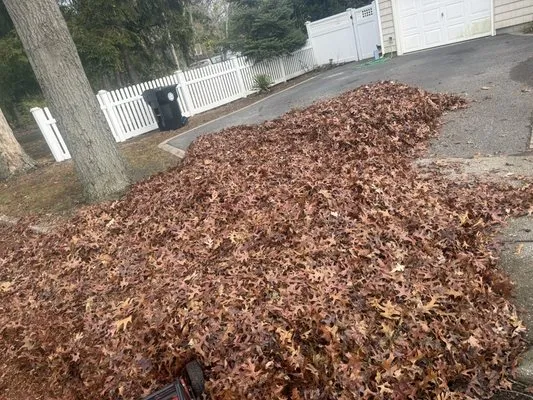
Pineda Landscaping has been caring for Brentwood yards since 2015, bringing over a decade of hands-on expertise to every project. What started as a dedicated mowing and planting service has grown into...
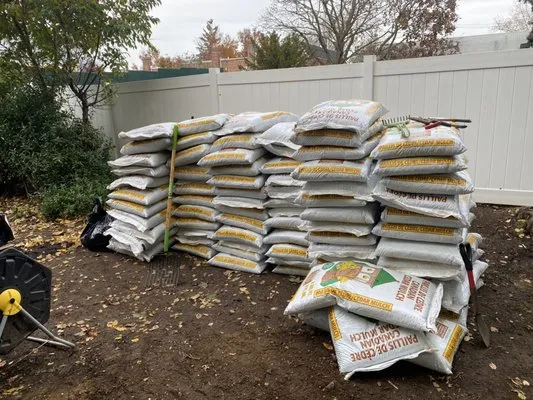
Simply Chores is a New York City home services company built on a simple idea: maintaining your property should be straightforward, not stressful. We grew tired of the endless back-and-forth, unrespon...
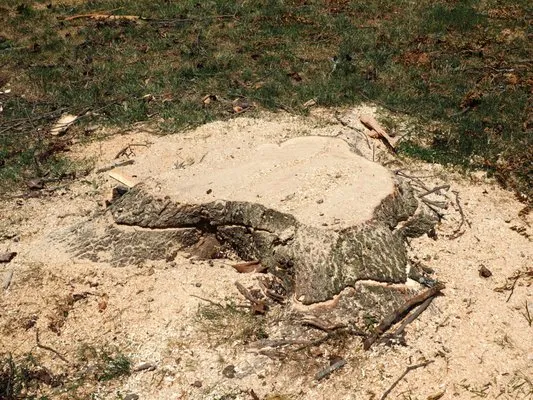
M. Ramirez Landscaping has been a trusted presence in Garden City South and across Long Island for over two decades. Our team specializes in a comprehensive range of services, from landscape construct...
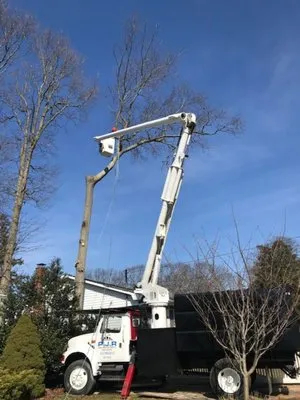
P.J.R Landscaping & Tree Service
P.J.R Landscaping & Tree Service is a family-operated business serving Bay Shore, NY, with comprehensive landscaping, tree care, and snow removal services. Founded and managed by Jose Perla, who bring...
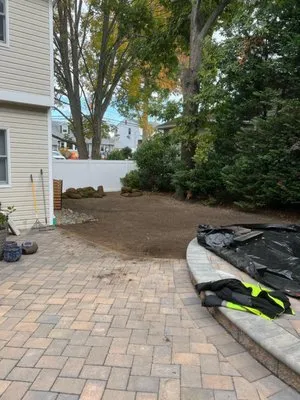
J & S Tree Service is a trusted, locally-owned company serving Huntington, NY, and the surrounding communities. We provide comprehensive tree care, from expert pruning and disease management to safe r...
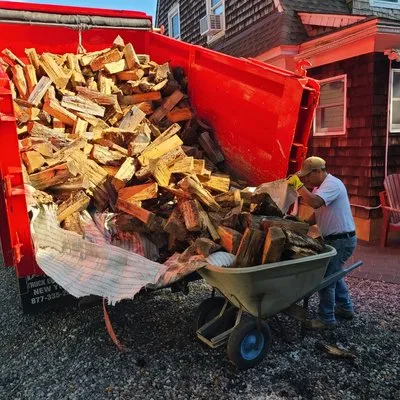
Long Island Firewood is a family-owned and operated landscape construction company based in East Northport, NY, with roots in the community dating back to 1979. Led by Charles F. Bongiorno Jr., the bu...
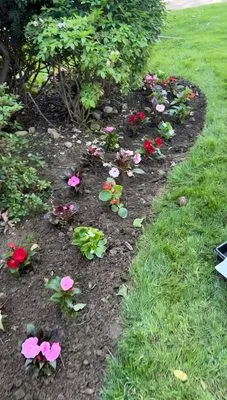
Since 2005, Erik Maldonado Landscaping has been a trusted, family-run business rooted in the Jamaica, Queens community. Founded by Erik Maldonado after years of hands-on experience in the field, we un...
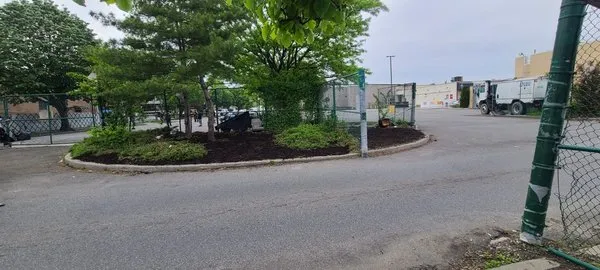
Global Industrial Maintenance
For over 20 years, John S, the manager of Global Industrial Maintenance, has been the trusted partner for businesses and municipalities in New York seeking professional commercial landscaping. He brin...

Norma is the owner and sole operator of Lady With a Van in Middletown, NY. As a single woman living in NYC, she brings a spirit of independence and hands-on dedication to every job. Norma started this...
Estimated Landscaping Service Costs in Stony Brook University, NY
Frequently Asked Questions
Why does my Stony Brook Village lawn look thin and compacted after all these years?
Your property, like many in this 1972-era neighborhood, has acidic sandy loam soil that has matured for over 50 years. Without consistent organic input, this soil profile becomes nutrient-poor and prone to compaction, limiting root growth. Annual core aeration followed by top-dressing with compost is critical to improve soil structure and water retention. This process directly addresses the inherent low fertility and poor aggregation of Long Island's glacial outwash soils.
My yard has pooling water after heavy rain. What's a long-term solution?
Moderate runoff on sandy loam is common; water infiltrates quickly initially but can saturate shallow layers. Installing a French drain system tied to a dry well addresses subsurface flow. For new patios or walkways, specifying permeable concrete pavers increases ground absorption and can help you meet Town of Brookhaven stormwater management requirements. These strategies work in concert to mitigate the coastal infiltration challenge.
I'm tired of weekly mowing. Are there lower-maintenance, eco-friendly options?
Yes. Transitioning perimeter zones to a native meadow matrix using Little Bluestem and Butterfly Weed eliminates weekly mowing and gas-powered equipment use. These deep-rooted perennials thrive in acidic sandy loam, require no fertilization, and support local pollinators. This shift aligns with evolving noise ordinances and reduces your carbon footprint while creating a resilient, biodiverse landscape that exceeds 2026 habitat standards.
How can I keep my Kentucky Bluegrass lawn healthy under Stage 1 water conservation?
Under voluntary conservation, an ET-based smart irrigation system is essential. It calculates evapotranspiration daily, applying water only when needed and bypassing scheduled cycles during rain. For your sandy soil, this means shorter, more frequent cycles to prevent runoff and deep percolation loss. Properly calibrated, this technology maintains turf health while reducing potable water use by 20-30%, keeping you well within municipal guidelines.
What permits and credentials are needed to regrade and terrace my 0.45-acre lot?
Significant grading altering drainage patterns requires a permit from the Town of Brookhaven Department of Planning, Environment and Land Management. The contractor must hold appropriate licensing through the NY State Department of State. For a lot of this size, improper grading can impact neighboring properties, so engineered plans may be needed. Always verify both town permits and state licensing before work begins to ensure liability and compliance.
Are permeable pavers a better choice than wood decking for a new patio?
For longevity and low maintenance in our climate, permeable concrete pavers are superior. They resist frost heave, do not rot or splinter, and their jointing sand allows stormwater to recharge groundwater. While wood requires annual sealing and eventual replacement, pavers offer a 30+ year service life. Their non-combustible nature also contributes to the defensible space recommended for your low Fire Wise rating.
How quickly can you respond for an urgent HOA compliance cleanup after a storm?
For emergency storm cleanup to meet HOA standards, we dispatch from our staging near Stony Brook University Hospital. Using NY-25A, our electric fleet can typically navigate to Stony Brook Village within the 20–30 minute peak response window, adhering to local noise ordinances with quiet equipment. This routing prioritizes main arteries to bypass common residential flooding points and ensures timely debris removal and turf repair.
What should I do if I see invasive Japanese Knotweed or Mugwort?
Immediate identification and targeted treatment are crucial before these species establish. We apply EPA-registered, systemic herbicides via foliar spray in late summer, when plants translocate nutrients to roots. This timing avoids the Suffolk County nitrogen blackout period (Nov 1–Apr 1). For organic preference, repeated cutting and smothering with heavy geotextile fabric can suppress growth, though it requires multi-season diligence.
