Top Landscaping Services in Southampton, NY, 11968 | Compare & Call
There are 216 landscaping companies server in Southampton NY
Peconic Lawn & Tree Care has been a trusted Southampton, NY, landscaping partner since 2003, specializing in comprehensive lawn, tree, and irrigation services for residential properties on Long Island...
Manorville Landscaping provides comprehensive shrub and landscape care for Southampton homeowners. Our services directly address common local challenges like soil compaction and irrigation timer failu...
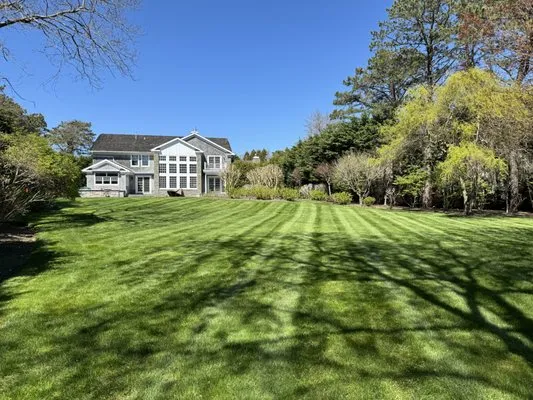
J&E Nursery and Property Management is a trusted local business in Water Mill, NY, specializing in comprehensive lawn care and property management services. We understand the common landscaping challe...
Long Pond Landscaping is a Bridgehampton-based landscaping company dedicated to maintaining and enhancing the natural beauty of local properties. We specialize in addressing common local landscaping c...
Evergreen Tree & Landscaping is your local Southampton expert dedicated to preserving the beauty and health of your property. We understand that homeowners here often struggle with overgrown or dying ...
Bill Fox Grounds Maintenance
Bill Fox Grounds Maintenance is a Bridgehampton-based landscaping and irrigation specialist dedicated to cultivating and protecting the beauty of the South Fork. We offer a comprehensive suite of serv...
King & Co. Landscape Contractors is a full-service landscaping company serving Southampton, NY. We specialize in creating and maintaining beautiful, healthy outdoor spaces that thrive in the local coa...

Creative Touch Landscaping
Creative Touch Landscaping is a full-service landscaping and property management company serving Water Mill, NY, and the surrounding Hamptons area. We specialize in transforming outdoor spaces through...
Chuck's Landscaping is a trusted Southampton, NY-based landscaping company dedicated to helping local homeowners maintain beautiful, functional outdoor spaces. We specialize in addressing common local...
Horticultural Horizons is a Southampton-based landscaping company dedicated to transforming local outdoor spaces with expert care. We specialize in addressing common Southampton landscaping challenges...
Estimated Landscaping Service Costs in Southampton, NY
Questions and Answers
Our sandy soil drains too fast, washing away nutrients. What's the solution?
High permeability in acidic sandy loam leads to rapid leaching of water and nutrients. The solution is a two-tiered approach: amending soil with biochar to increase water-holding capacity and installing permeable bluestone hardscapes. This combination increases onsite infiltration, meets Southampton Village Building Department stormwater runoff standards, and directs water to plant root zones rather than storm drains.
Can we reduce mowing and gas-powered equipment noise in our landscape?
Transitioning high-maintenance turf to a matrix of native coastal scrub like Beach Plum, Little Bluestem, and Seaside Goldenrod significantly reduces mowing and eliminates leaf-blowing needs. This preemptively complies with the May 20-Sept 20 gas-powered blower restriction. The deep root systems of these natives enhance drought resilience and provide superior habitat, aligning with 2026 biodiversity standards for the region.
We need a storm debris cleanup for an HOA compliance deadline this week.
For emergency cleanup, our electric fleet dispatch from Agawam Park uses NY-27 (Sunrise Highway) for direct access, ensuring a 20-30 minute peak response time to most Village locations. We prioritize routes that avoid main village traffic corridors. All post-storm debris is processed for composting or recycling in accordance with Southampton's solid waste management protocols.
What permits and licenses are needed to regrade our half-acre lot?
Regrading a 0.5-acre lot in Southampton Village requires a permit from the Southampton Village Building Department, as it alters drainage patterns. The contractor must hold appropriate licensing through the New York State Department of State, Division of Licensing Services. This ensures they carry the required insurance and adhere to Suffolk County health code regulations regarding soil disturbance and erosion control, which are strictly enforced.
How do we keep our lawn green during Southampton's voluntary water conservation?
Under Level 1 voluntary conservation, Wi-Fi ET-based weather sensing irrigation is mandatory for efficiency. The system calibrates daily output to actual evapotranspiration rates, applying water only during optimal pre-dawn hours. This precise scheduling maintains the fine fescue and Kentucky bluegrass blend while reducing total water use by an estimated 30-40%, keeping the property within municipal guidelines.
What's the safe way to handle invasive vines without using fertilizer?
For invasive species like porcelain-berry or Japanese honeysuckle, manual removal followed by a targeted, organic herbicide application is recommended. Critically, any treatment must comply with the Suffolk County Nitrogen Fertilizer Law, which prohibits application between Nov 1 and April 1. We schedule remediation in late spring or early fall, using soil health assays to determine if a mycorrhizae inoculant is needed for recovery instead of synthetic fertilizer.
Why does my Southampton Village lawn look thin and patchy, even with watering?
Properties in Southampton Village, often built around 1962, have soil profiles approximately 64 years in development. The prevalent acidic sandy loam (pH 5.5-6.5) has low cation exchange capacity, leading to rapid nutrient leaching. This soil type requires annual core aeration and organic amendments like compost to build stable humus, which retains moisture and supports microbial life critical for turf health.
Is bluestone or wood decking better for a fire-resistant patio?
Permeable bluestone is superior to wood for longevity and fire safety in Southampton's Moderate Coastal Scrub Interface zone. It provides a non-combustible, defensible space as recommended by Firewise USA principles. Bluestone requires no chemical treatments, withstands freeze-thaw cycles, and its natural permeability manages runoff without creating a flammable mulch bed perimeter common with wooden structures.
